REVIEW · HANOI
8-Days Hanoi, Sapa Trekking And Halong Bay Cruise
Book on Viator →Operated by Realistic Asia · Bookable on Viator
Northern Vietnam moves fast, but this trip keeps control. This 8-day route knits Hanoi culture with an Halong Bay overnight cruise and then lifts you to Sapa for village trekking, with guided sights and real chunks of free time.
I love the tight focus of the Hanoi planning and the way the schedule gives you real views in Halong Bay instead of a sprint-and-go day. I also like the small-group feel (max 15) and the fact you’re not left alone when questions pop up. The main trade-off is time in transit: the Sapa limousine bus is about six hours each way, and the trekking days still ask for solid shoes and a bit of patience with mountain weather.
In This Review
- Key Highlights You’ll Actually Feel
- The 8-Day Hanoi, Halong Bay, and Sapa Plan That Works on Paper
- Day 1 in Hanoi: Private Pickup and Old Quarter Freedom
- Day 2 Hanoi by Guided Circuit: Pagodas, Museums, and the Mausoleum Rules
- Tran Quoc Pagoda on Golden Fish Island
- Ho Chi Minh Mausoleum Complex (and the dress code)
- Vietnam Museum of Ethnology (or the Women’s Museum replacement)
- Temple of Literature and Hoa Lo Prison
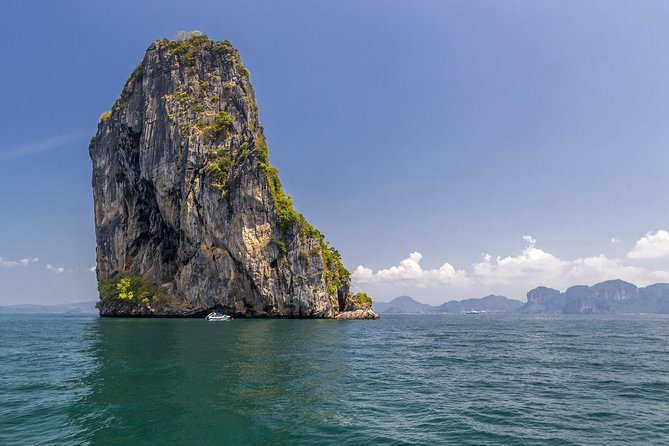
- Days 3–4 Halong Bay Cruise: Kayaking, Caves, Sunrise, and Real Time on the Water
- Getting to the jetty and cruising through the islets (Day 3)
- Sunrise on the water and disembark back to Hanoi (Day 4)
- Day 5 The Long Ride Up to Sapa: Why a Free Afternoon Helps
- Days 6–7 Sapa Trekking: Village Life You Can Walk To (Not Just Look At)
- Day 6: Y Linh Ho and Lao Chai, then Ta Van overnight
- Day 7: Red Dzao, H’mong villages, waterfall, rattan bridge, then back down
- Day 8 Hanoi Wrap-Up: Markets and Airport Transfer
- Price and Logistics Check: Is $854 Worth It?
- Who Should Book This Tour (and Who Might Not)
- Should You Book This 8-Day Northern Vietnam Tour?
- FAQ
- What cities are included in this 8-day tour?
- Are meals included?
- What activities are offered in Halong Bay?
- How much trekking do you do in Sapa?
- What should I wear for the Ho Chi Minh mausoleum and pagodas?
- What if my Hanoi day falls on a Monday?
Key Highlights You’ll Actually Feel
- Door-to-door arrival and departures so you start and end without Hanoi stress
- Halong Bay overnight timing that includes sunrise and sunset moments, not just a cruise loop
- Kayaking and cave options depending on the boat itinerary, with plenty of onboard downtime
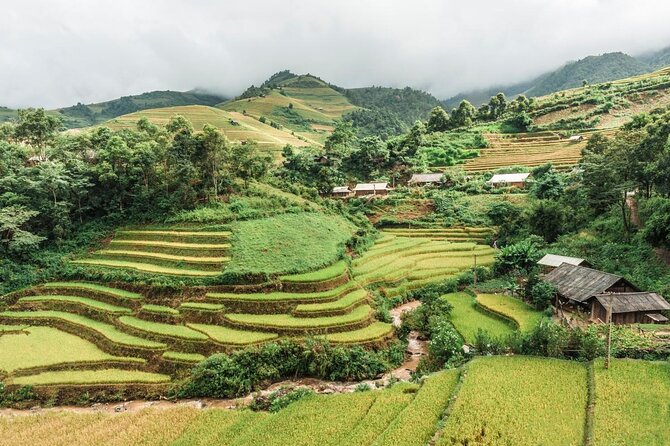
- Sapa trekking that reaches real minority villages like Y Linh Ho, Lao Chai, Ta Van, and Giang Ta Chai
- Small group cap (15 max) plus 24/7 hotline support for smoother handoffs
The 8-Day Hanoi, Halong Bay, and Sapa Plan That Works on Paper
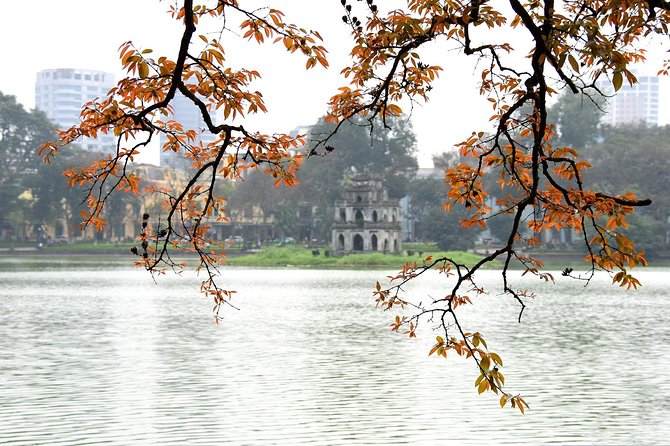
This itinerary is built like a chain: Hanoi sightseeing, then Halong Bay cruise timing, then altitude and villages in Sapa. The big value is that you’re not forced to guess logistics between regions. You get airport pickup by private car, hotel-to-jetty transfers, and air-conditioned buses between major legs.
You also get a smart rhythm. Hanoi days are organized around major landmarks and museums, but you still keep room to roam on your own after the guided block. Then Halong Bay is handled over two days so you’re not stuck with one overpriced, daylight-only cruise. Finally, Sapa is paced with trekking segments and an overnight in a local home, so it feels like more than a scenic photo stop.
Here’s what to watch: Vietnam’s north runs on weather. Halong Bay is a weather-dependent experience, and the tour notes that it needs good weather. Also, Sapa involves walking days plus a long ride up and back. This isn’t a “sit on a coach all day” tour. It’s a comfortable balance of guided time and active time.
You can also read our reviews of more tours and experiences in Hanoi.


Day 1 in Hanoi: Private Pickup and Old Quarter Freedom
Day 1 is simple on purpose. You arrive at Noi Bai International Airport, and a private driver meets you with your name on a signboard. From there, you’re escorted to your accommodation right in the city center—close enough that the Old Quarter is within easy reach.
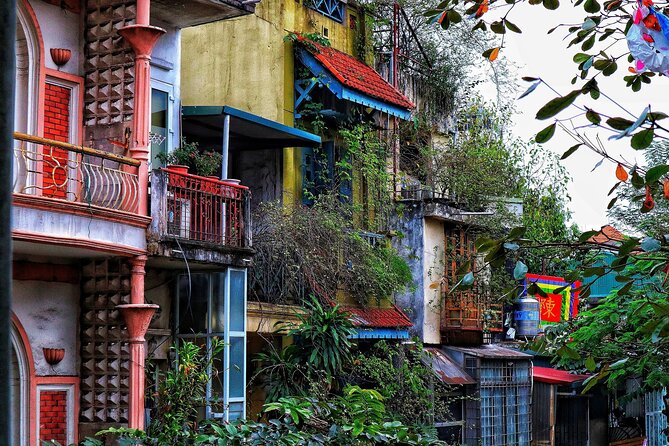
I like this approach because it lets you absorb Hanoi without a mad rush. You’re still fresh from the flight, so you can decide what you want to do: short walks, a quick food stop, or just resting. If you enjoy streets that mix French colonial-era bones with Asian city life, this is a good way to start.
What I’d do the same way as you: do one small evening loop near your hotel. Get your bearings fast. Hanoi’s streets can feel lively (and sometimes confusing), so any early orientation pays off later.
Day 2 Hanoi by Guided Circuit: Pagodas, Museums, and the Mausoleum Rules
Day 2 is the classic Hanoi hits day, and it’s packed in a good way. Your guide picks you up between 8:00 and 8:30, then you run a circuit of major sights with timed admissions taken care of.
Tran Quoc Pagoda on Golden Fish Island
You start with Tran Quoc Pagoda, on Golden Fish Island in West Lake. The tour emphasizes that it’s the oldest pagoda in Ha Noi, built in the 6th century. Even if you’re not chasing religion, this stop is worth it for the setting—temple calm next to lake views.
You’ll probably enjoy this most if you like slower sights where you can look around and notice details without being rushed.
Ho Chi Minh Mausoleum Complex (and the dress code)
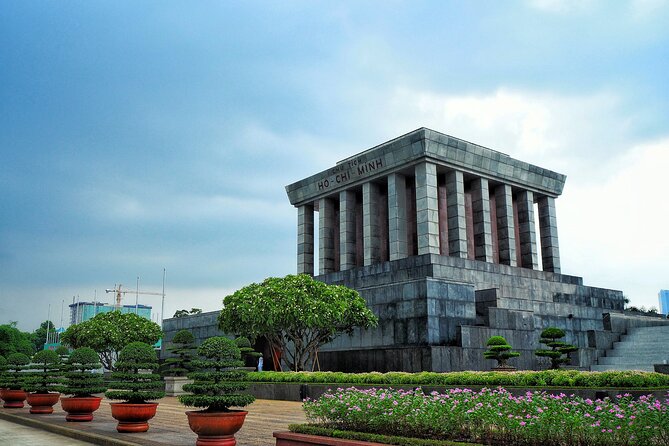
Next comes the Ho Chi Minh complex: the mausoleum area, gardens, houses where he lived and worked from 1954 to 1969, and the One Pillar Pagoda (where people worship the Goddess of Mercy).
Two practical considerations matter here:
- You should dress modestly, covering shoulders and knees.
- The mausoleum is closed Mondays and Fridays, and also from 15 June to 15 August for annual maintenance.
This is the kind of detail that can make or break expectations. If your dates land on a closure day, plan to stay flexible and follow the guide’s adjustments.



Vietnam Museum of Ethnology (or the Women’s Museum replacement)
Then you visit the Vietnam Museum of Ethnology to learn about 54 ethnic groups across Vietnam. Admission is included. There’s also a key note: the museum is closed on Mondays, and it’s replaced by the Women’s Museum.
I like this setup because it gives you a broader understanding of the region beyond city landmarks. It also connects naturally to what comes later in Sapa, where minority culture is a core part of the trek days.
Temple of Literature and Hoa Lo Prison
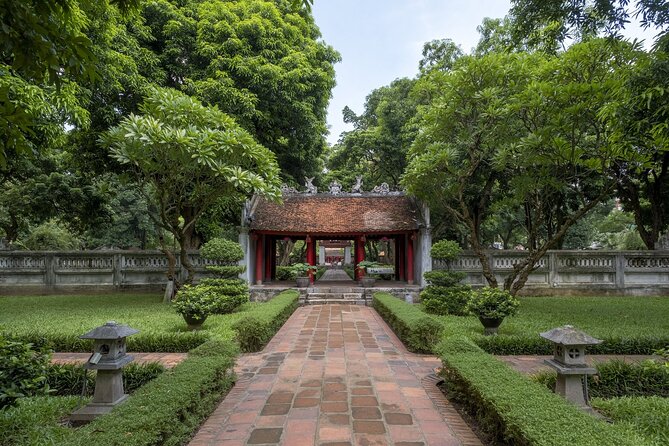
In the afternoon, you visit the Temple of Literature & National University, founded in the 11th century. It’s a major milestone in Vietnam’s history of education, and you’ll feel the “old learning center” vibe even if you’re more interested in modern Hanoi.
Finally, there’s Hoa Lo Prison Museum, known to American POWs as the Hanoi Hilton during the Vietnam War era. This stop is emotionally heavy, so keep your pace gentle. It’s included, and it’s time well spent if you want to understand the modern history layer of Hanoi, not just the postcard parts.
Day 2 ends back at your hotel around 16:15–16:30, with dinner and your own evening time to handle however you like.
Days 3–4 Halong Bay Cruise: Kayaking, Caves, Sunrise, and Real Time on the Water
This is the headline stretch, and the itinerary handles it the right way: an overnight cruise with a day that includes a morning return to port. That structure usually gives you better moments than a single-day boat ride.
Getting to the jetty and cruising through the islets (Day 3)
After breakfast, you check out of Hanoi and travel to Halong Bay. The cruise team meets you at the hotel lobby between 8:00 and 9:00, and you reach the jetty around noon. From there, you go by boat to your cruise.
Once you’re onboard, there’s a welcome and check-in. Lunch is served while the cruise moves through the hundreds of islets—this matters because you’re not eating at random times. The scenery becomes the background to a built-in meal rhythm.
In the afternoon, you have activities like swimming and kayaking or visiting caves, depending on the boat’s itinerary. If you get rain, don’t assume every option disappears. But expect the day’s plan to adapt.
As the day winds down, the boat anchors for the night in a beautiful place. Don’t miss sunset before dinner. That’s where a lot of people feel the “worth it” moment.
Sunrise on the water and disembark back to Hanoi (Day 4)
Day 4 starts early. The sun rises on Halong in the morning, breakfast is served while the vessel cruises slowly back toward the port, and then you’ll have an early lunch before arriving and disembarking.
After that, you’re transferred back to Hanoi and the rest of the day is free. This free time is underrated. It lets you reset after boat days and decide whether you want more Old Quarter wandering or a calmer museum stroll.
Day 5 The Long Ride Up to Sapa: Why a Free Afternoon Helps
On Day 5 you leave Hanoi early: breakfast first, then check-out, then a limousine bus to Sapa. The ride is about 6 hours. That’s a long stretch, but it’s also why this part of the schedule works. You’re not bouncing between stops every hour.
When you arrive, you transfer to your accommodation. Then the rest of the day is free to explore Sapa town on your own.
I like that you’re not forced into a trek on day five. You’re at altitude, the air can feel different, and it’s smart to let your body adjust. You can also do an easy evening walk to check out local life—markets, viewpoints, and the general rhythm of a mountain town.
Days 6–7 Sapa Trekking: Village Life You Can Walk To (Not Just Look At)
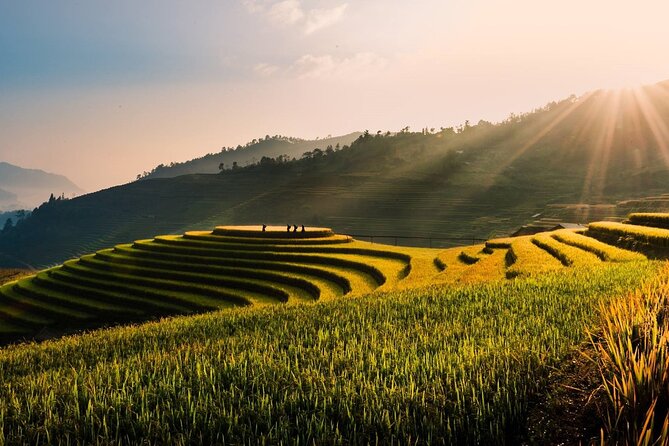
These are the most active days, and they’re the part that will likely stick with you longest. The trek itinerary is built around visiting minority villages, walking through scenic sections, and sharing a bit of daily life—plus one overnight in a local family.
Day 6: Y Linh Ho and Lao Chai, then Ta Van overnight
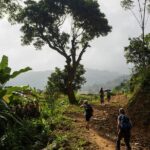
You start around 9:30 with your guide and begin a 12 km trek. The first stops include Y Linh Ho and Lao Chai villages of the H’mong minority.
Lunch is included and is either with a local family in Lao Chai or at a nearby drinking shop by the river bank. That “by the river bank” detail matters because it means the meal happens where the day’s walking is leading you, not in some random stopover.
After lunch, you keep hiking to Ta Van village of the Dzay (the itinerary notes the Dzay village and an overnight in a local family). This is where the tour shifts from sightseeing hiking into daily-life experience—work patterns, local routines, and customs.
Day 7: Red Dzao, H’mong villages, waterfall, rattan bridge, then back down
Day 7 begins at 9:30 with 8 km of walking. You visit two villages connected with the red Dzao and the H’mong—listed as Giang Ta Chai and Su Pan.
There’s also a waterfall and a rattan bridge. The day includes bamboo forest walking on the way to the main road, where you then get a jeep back to Sapa. The tour ends in Sapa by 3:00 PM, and then you transfer back to Hanoi by limousine bus for an overnight.
A practical note: bring comfortable shoes and don’t underestimate the ground. You’re on paths that can be uneven, and in a place like Sapa, conditions can change. Also bring a hat and sunblock cream, since you’ll be outside for much of the walking day.
If you like hikes where you meet people and move through communities, this is the right kind of trek. If you only want easy strolls, you’ll probably find these longer walking segments tiring.
Day 8 Hanoi Wrap-Up: Markets and Airport Transfer
Day 8 is your smooth landing back into city life. You enjoy breakfast, check out, and then you can visit local markets for souvenirs. Later, a private driver transfers you to the airport for your flight home.
This final day is practical. It gives you enough time to pick up small gifts without rushing back to the airport early in the morning. If you’re the kind of traveler who likes food snacks, textiles, or small everyday items, this market block is your best time.
Price and Logistics Check: Is $854 Worth It?

At $854 per person for 8 days, you’re paying for two things most budget trips try to cut corners on: time saved and big-ticket transport.
Here’s what you get that usually costs real money on your own:
- Door-to-door pick-up and drop-off by private car
- Limousine bus Hanoi–Sapa and Sapa–Hanoi (about 6 hours each way)
- Air-conditioned transport between Hanoi and Halong Bay (two-way)
- The major guided sights in Hanoi with admission included
- The Halong Bay cruise with a full overnight structure
- Meals included: 7 breakfasts, 5 lunches, and 2 dinners
You’re also covered by planning support: 24/7 hotline support and group size capped at 15 travelers. That small group matters for comfort and for how easy it is to coordinate. Add in water and tissues on coach, and the day-to-day friction usually stays low.
What you should factor in outside the price:
- International and domestic flights
- Travel insurance (not included)
- Beverages, personal expenses, and tips
- E-visa requirements for Vietnam
- Drinks during meals and anything you add on your own
Also, the tour notes that there can be gala dinner surcharges on major holiday dates (24 Dec, 31 Dec, and 21 Jan/Tet) and potential holiday surcharges. If you’re traveling around those periods, it’s worth checking what’s applicable to your dates.
Who Should Book This Tour (and Who Might Not)
You’ll likely love this tour if:
- You want a structured route across Hanoi, Halong Bay, and Sapa without planning every transfer.
- You care about minority culture and village trekking, not just viewpoints.
- You want at least one “big scenery” moment handled properly—Halong Bay overnight does that.
You might skip it if:
- You hate long sitting time. The Sapa bus ride is about 6 hours each way.
- You want ultra-light walking days. Trek days include 12 km and 8 km segments.
- You’re sensitive to weather changes. Halong Bay is weather-dependent, and the tour says good weather matters.
There’s also a clear cultural requirement day: the Ho Chi Minh mausoleum and nearby religious sites require modest dress (shoulders and knees covered). If you don’t have clothing that fits, bring a light layer.
Should You Book This 8-Day Northern Vietnam Tour?
If you want one trip that covers the Northern Vietnam “big three” in a way that doesn’t feel chaotic, I think this tour makes sense. The value is strongest in how it handles transfers, includes key admissions, and gives Halong Bay time to breathe with an overnight plan.
My decision tip: match your expectations to the itinerary’s shape. If you’re okay with a bit of travel time and you can handle two trekking days, you’ll come away with Hanoi history, Halong Bay scenery, and Sapa village life—all in one ticket and without constant planning.
If you want, tell me your travel month and fitness level, and I’ll help you judge whether the walking distances and weather risks are a match for you.
FAQ
What cities are included in this 8-day tour?
This tour covers Hanoi, Sapa, and Halong Bay. You start in Hanoi, cruise Halong Bay, then travel to Sapa for trekking, and finish back in Hanoi.
Are meals included?
Yes. The tour includes 7 breakfasts, 5 lunches, and 2 dinners. Drinks are not included.
What activities are offered in Halong Bay?
On the cruise, you can enjoy activities such as swimming and kayaking or visiting caves, depending on the boat itinerary. You’ll also have morning and evening time on the water, including a sunrise and a sunset before dinner.
How much trekking do you do in Sapa?
On Day 6 you do a 12 km trek visiting Y Linh Ho and Lao Chai, and then you continue to Ta Van. On Day 7 you walk about 8 km visiting villages including Giang Ta Chai and Su Pan, and you finish in Sapa by around 3:00 PM.
What should I wear for the Ho Chi Minh mausoleum and pagodas?
You should dress modestly and cover your shoulders and knees when visiting the Ho Chi Minh mausoleum, temples, and pagodas.
What if my Hanoi day falls on a Monday?
The Ho Chi Minh mausoleum is closed on Mondays and Fridays, and from 15 June to 15 August for maintenance. Also, the Vietnam Museum of Ethnology is closed on Mondays and is replaced by the Women’s Museum.