REVIEW · MARRAKECH
3-Day Shared Tour to Merzouga: Sahara Magic & Camel Trek
Book on Viator →Operated by Sahara cruiser · Bookable on Viator
This trip strings together big sights and simple pleasures: High Atlas driving, UNESCO kasbahs, and a proper camel trek into Erg Chebbi. I like that you get a full cultural day before the dunes, so the desert feels earned, not rushed. I also like the human touch that shows up again and again, with guides like Moha and drivers like Houssine and Isham getting called out for kindness and keeping the pace comfortable. The one drawback to plan for is the long road time, with early starts that can make Day 1 feel like a marathon.
You’ll start from Marrakech on a shared group basis (up to 18 people) with air-conditioned transport. Expect a day built around stops with time to look, stretch, and take photos, not a nonstop bus ride until your eyes melt. The overall vibe is practical adventure: scenic viewpoints, historic sites, gorge walking, then sand and stargazing.
In This Review
- Key points that matter before you go
- Marrakech to High Atlas Viewpoints: the drive that sets the mood
- Tizi n’Tichka Pass stop: ticketed viewpoints are worth using
- Ait Benhaddou UNESCO kasbahs: the famous set that still feels real
- Dades Valley: kasbah scenery with a calmer rhythm
- Todra Gorge: walking inside the rock walls
- Merzouga to Erg Chebbi: switching from road travel to sand travel
- Camel trek and sunset: how to make the dunes time count
- Berber camp overnight: starry skies with a practical expectation
- The return to Marrakech: a long final road day with breaks
- Shared-tour reality: what a max-18 group feels like
- Air-conditioned comfort and the real importance of timing
- Price value: why $127.96 can work if you want this exact mix
- What to pack for the Atlas and Erg Chebbi dunes
- Who this 3-day Merzouga tour suits best
- Should you book this Sahara Magic & Camel Trek?
- FAQ
- What time does the tour pickup in Marrakech?
- Is the camel trek included?
- What meals are included?
- Are entrance tickets included for Ait Benhaddou and Todra Gorge?
- Is bottled water included?
- What happens if weather is poor?
Key points that matter before you go
- Up to 18 people keeps the group feeling friendly, not chaotic
- Real desert time with a camel trek and an overnight in a Berber camp
- Ait Benhaddou is handled thoughtfully, with time to explore the UNESCO kasbah area
- Todra Gorge walking gives you a break from the bus with a short, memorable hike through tall limestone walls
- Meals are partly included (breakfast for two days and dinner for two nights), so you can budget easier
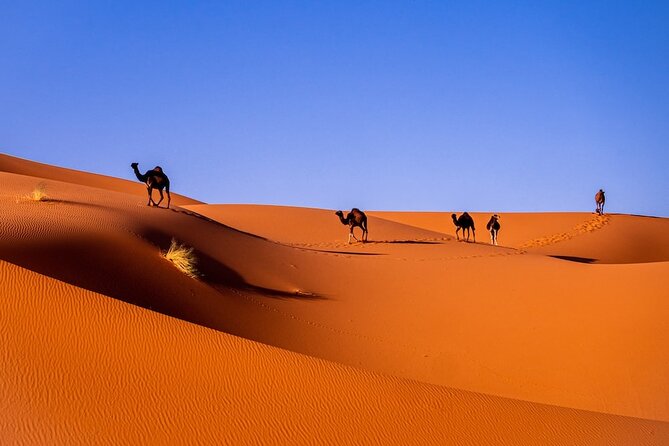
- Orange Erg Chebbi dunes are the main payoff, especially for sunset and the night sky
Marrakech to High Atlas Viewpoints: the drive that sets the mood
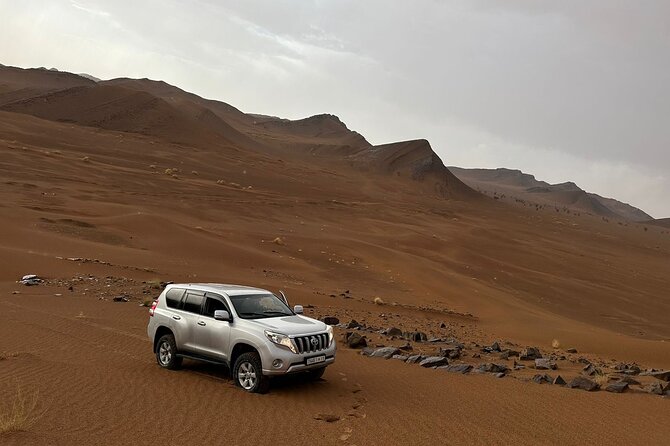
Day 1 starts with the kind of morning that makes you glad you packed water and a snack. Pickup is offered in Marrakech around 7:00 AM–7:30 AM, and the trip heads straight into the High Atlas Mountains. You’ll cross the area via Tizi n’Tichka Pass, where the road bends and climbs and the views open up in stages.
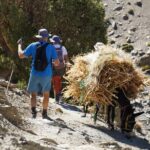
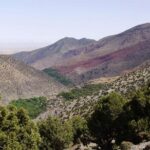
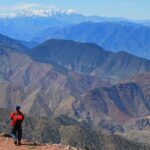
This is one of the best parts of the whole itinerary because the driving isn’t just transit. You get actual stops for panoramas—rugged peaks, terraced hillsides, and Berber villages along the slopes. If you like taking photos that look like you’re standing on the edge of the world, this day will deliver.
There’s also an important practical note: at elevation and on long roads, weather can shift quickly. Even if the forecast looks fine, pack layers you can add or remove when the mountain air changes.
You can also read our reviews of more tours and experiences in Marrakech.
Tizi n’Tichka Pass stop: ticketed viewpoints are worth using
The tour includes an admission ticket for the first viewpoint stop on the route. That matters because some desert-tour routes treat viewpoints as quick pull-offs and call it done. Here, you’re given time and access to a proper viewing area—exactly what you want when you’re driving hours just to reach the next chapter.
You’ll likely see people hop out, snap pictures, and get back on the road. Don’t rush it. Spend a few minutes looking far ahead, then scan the villages below. That rhythm helps you understand what you’re actually seeing, not just what your camera records.
Ait Benhaddou UNESCO kasbahs: the famous set that still feels real
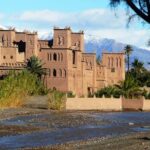
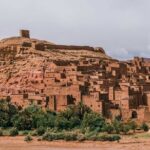
After descending from the mountains, you arrive at Ait Ben Haddou, one of Morocco’s most recognizable fortified earthen villages. It’s UNESCO-listed, and it’s also known for appearing in films—yet the best part is how the place feels in real life: close walls of packed earth, alley angles, and the sense that the village was built to survive the desert heat.
You get time here to explore. The key is to treat it like a walk you’re taking for texture, not a checklist. Look at the walls and doorways, and notice how the village sits against the landscape so it feels shaped for the climate rather than imposed by it.
The tour notes that Ait Benhaddou admission is free in this itinerary. That’s good value because it lowers the number of extra fees you might otherwise pay on the road.
Dades Valley: kasbah scenery with a calmer rhythm
From Ait Ben Haddou, the route continues into the Dades Valley, often called the Valley of a Thousand Kasbahs. This is where you start to feel the contrast between the harsh hills and pockets of green near water sources. Expect dramatic rock formations, villages tucked along the route, and river-adjacent areas where life seems to cling and survive.
This day is also where the tour’s balance shows. It’s not only big names; it’s also the in-between places that make the travel feel like a journey, not a transfer. If you get bored easily on long trips, these stops are designed to keep you interested.
Todra Gorge: walking inside the rock walls
Day 2 begins with a shift from mountains and valleys into something narrower and more dramatic: Todra Gorge. You’ll travel toward Merzouga, but the itinerary builds in time for the gorge stop before the dunes steal the show.
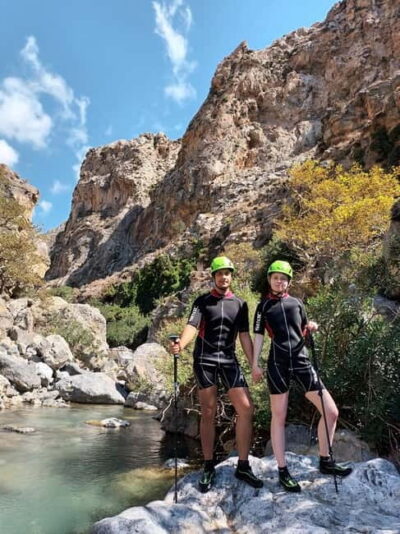
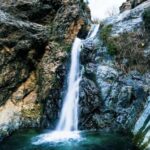
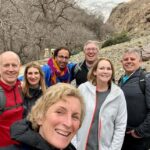
You’ll do a walk inside Todgha/Todra Gorge, with towering limestone cliffs creating a natural corridor. Even a short hike through tight spaces makes the whole desert trip feel different. It’s not about how far you go; it’s about how the air feels and how the rock walls frame the route ahead.
There’s also a short visit to an old village in the area. This gives you a quick cultural connection point before you go quiet and slow in the sand.
Merzouga to Erg Chebbi: switching from road travel to sand travel
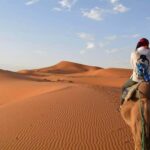
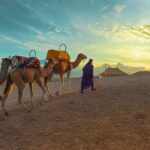
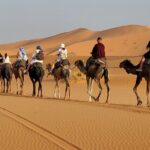
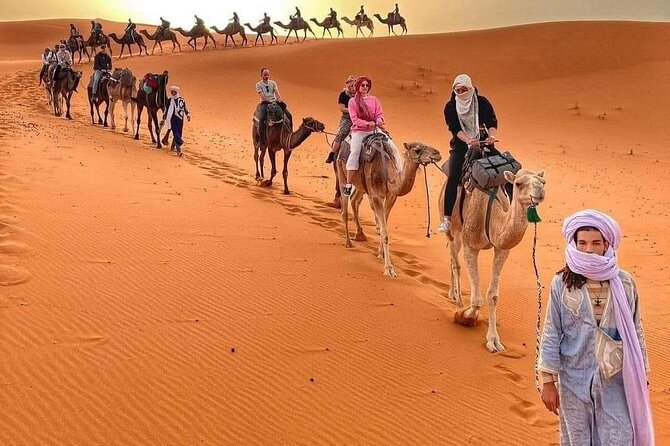
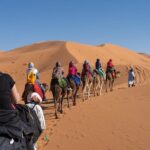
Eventually you reach Merzouga, which acts as the gateway to Erg Chebbi dunes. Here you switch gears: the vehicle ride stops, and the camel trek begins. The trek is typically the moment people remember most clearly, not because it’s technically complex, but because it’s a full sensory switch from engine noise to desert silence.
The ride goes deeper into the golden dunes, and the open view expands as you move. This is one of the reasons the shorter 3-day format can still feel satisfying: you’re not just taking photos at the edge. You’re moving with the group toward the area where sunset and camp will happen.
For many first-timers, camel riding can feel awkward for the first minutes. The best trick is to relax your shoulders and keep your weight centered. Also, bring something you can use for wind at night, since the desert can cool down fast.
Camel trek and sunset: how to make the dunes time count
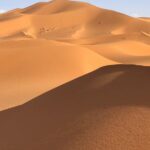
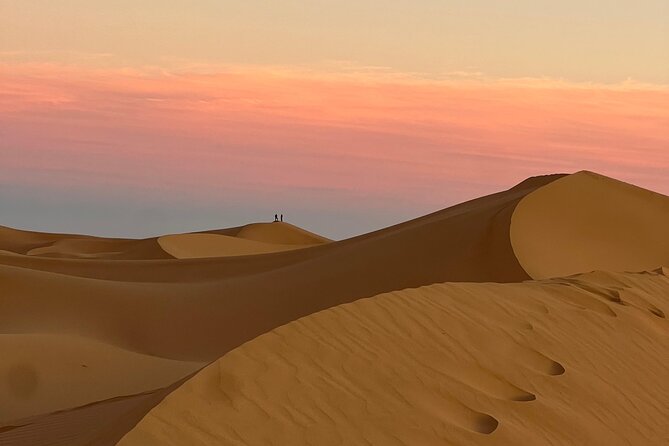
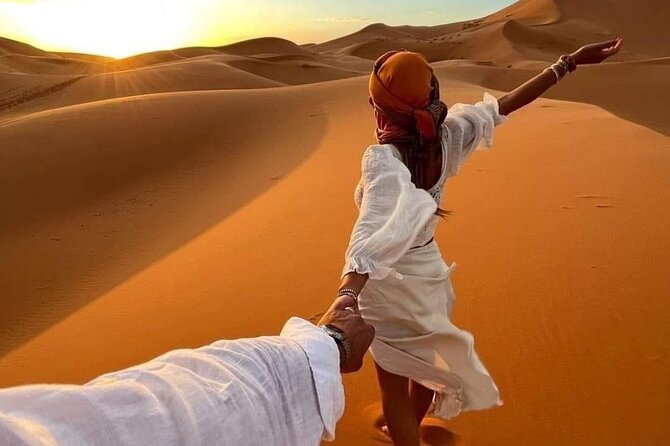
Sunset is built into the experience—golden light across dunes is the payoff, and it’s a real highlight when the sky turns and the sand changes color. The tour style here is simple: enjoy the walk, then enjoy the moment when the dunes glow.
When you’re on the camel trek, don’t just hold on and hope. Pause when you can. Look back at the route you came from. Then look forward at the bigger lines of the dunes. That’s how you avoid treating the desert like a single photo spot.
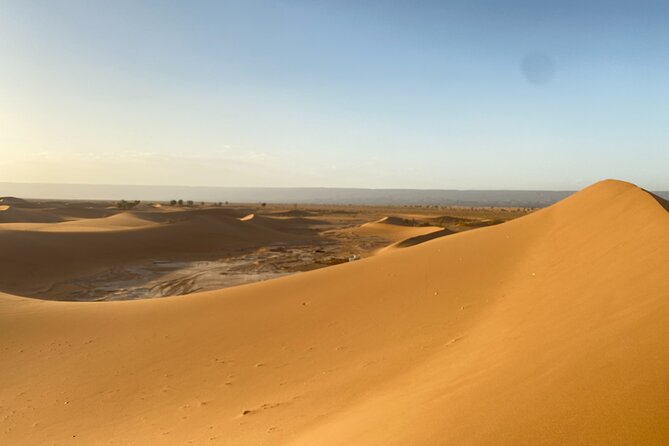
One of the reviews themes is that the sand looks intensely orange, with big dune shapes that make you feel like you’re in a different planet. That matches what you can expect at Erg Chebbi, which is famous for its dramatic color under changing light.
Berber camp overnight: starry skies with a practical expectation
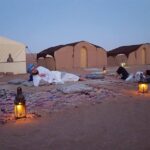
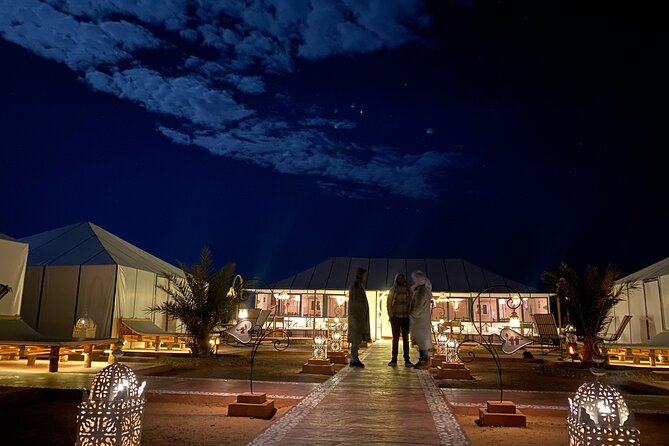
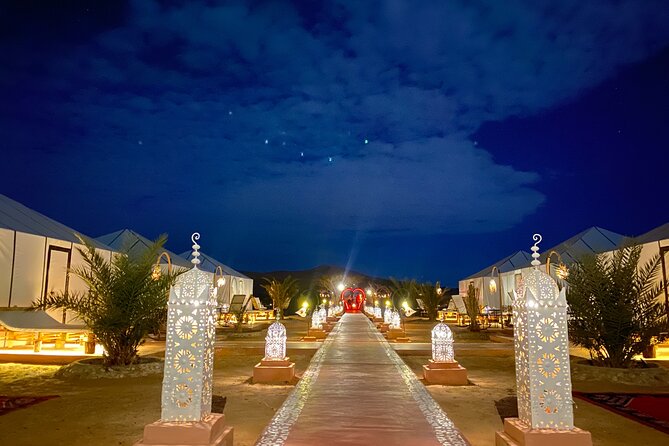
After the trek, you’ll reach a traditional Berber camp, where the night under a star-filled sky is the core memory. The itinerary calls out the tranquility and the magic of the desert at night, which is exactly when the experience becomes more than scenery.
What I like about this structure is that it protects the best part of the desert: dusk, darkness, and early-night calm. You’re not rushing off immediately after sunset. You’re staying put long enough to feel the temperature shift and watch the sky fill in.
A key detail from the kind of feedback this tour receives: people often praise the overall comfort of the main overnight stop and the camp experience itself. Your comfort will still depend on the specific camp setup, but the intention here is clear: you should get an authentic night without turning it into a rough endurance test.
A practical tip: use your headlamp or phone light sparingly. The point is stargazing, and you’ll see more if you let your eyes adjust.
The return to Marrakech: a long final road day with breaks
Day 3 is your return road day back to Marrakech, with stops for lunch and a cafe. This is a straightforward ending, but it’s worth planning for fatigue. After two big days of travel and the camel trek, you’ll want snacks, water, and something in your bag that helps you handle delays without stress.
The itinerary doesn’t mention many culture stops on the way back, so treat the return as the time to rest your legs and enjoy the final change of scenery through the window.
Shared-tour reality: what a max-18 group feels like
This is a shared tour with a maximum of 18 travelers. That number matters because it keeps the group small enough for your guide to be attentive. It also means you’re usually not stuck with the awkwardness of huge coach crowds, where timing and getting off the bus become a chore.
You’ll feel this most during stops—when you’re gathered, waiting briefly, then released in small waves for photos or short walks. It’s also why the guide quality matters. The tour has recurring praise for guides such as Moha and Mohamed, who are described as friendly, patient, and good at English.
If you’re the type who likes asking questions—about what you’re seeing, why the villages look the way they do—having a guide with a calm style can make the trip more fun, not just informative.
Air-conditioned comfort and the real importance of timing
The tour includes an air-conditioned vehicle, which is a lifesaver on hot days and on long road segments. It doesn’t make the trip short, but it helps you arrive in better shape for each stop.
As for timing, the day starts early on Day 1, and Day 2 is longer once you factor in the gorge stop and the desert segment. Don’t schedule anything the same evening you return to Marrakech. Give yourself a buffer so you don’t feel rushed right after sleeping under the stars.
Price value: why $127.96 can work if you want this exact mix
The price is $127.96 per person for about 3 days. On paper, that looks like a bargain for Morocco-to-desert travel, but the real value comes from what’s included in the rhythm of the trip.
Here’s the practical value you get:
- Transport by air-conditioned vehicle for multiple long segments
- Breakfast included for two days (the second and third days)
- Dinner included for two nights
- Camel trek into the dunes and an overnight in a Berber camp setup
- Admission coverage in key places, including a viewpoint ticket on Day 1 and ticket inclusion on the Todra Gorge stop
- Pickup offered in Marrakech
What’s not included is also important for value: bottled water and alcoholic beverages. If you’re trying to keep this trip within a tight budget, plan to buy water as needed and skip alcohol costs.
If your main goal is one honest desert night plus UNESCO kasbah time without doing a longer itinerary, this price can make sense. If you want multiple desert days or more time in cities, you might compare against longer tours later. But for a 3-day hit of High Atlas + Ait Benhaddou + Erg Chebbi, the mix is the point.
What to pack for the Atlas and Erg Chebbi dunes
You’re dealing with mountains in one day and desert conditions the next, so pack like the weather might surprise you. Even if it’s warm during the day, nights can cool down.
Bring:
- A light layer for evening and night
- Sun protection (hat, sunscreen, sunglasses)
- Comfortable shoes for short gorge walking and uneven ground at kasbah sites
- A small day bag for water and snacks during stop times
Also, since bottled water is not included, don’t assume you can coast without buying. Keep some cash or a payment method ready for small purchases.
Who this 3-day Merzouga tour suits best
This is a great fit if you:
- Want a first desert overnight without committing to a longer trip
- Like road trips that include real stops, not just photo stops
- Enjoy guided history and culture stops like Ait Benhaddou
- Prefer a shared group size capped at 18 rather than a massive crowd
It’s not ideal if you hate early starts or if you need lots of free time. This tour is structured, and the stops are part of the experience. You’ll be on the move a lot.
Should you book this Sahara Magic & Camel Trek?
I’d book it if your ideal Morocco trip sounds like this: early pickup, mountain views, UNESCO kasbah wandering, a gorge walk, then the orange dunes of Erg Chebbi with camel time and a Berber camp night. The repeated praise for guides such as Moha and Mohamed, plus drivers like Houssine and Isham, is a good sign that the human side of the trip is handled well, not left to chance.
I’d think twice if you’re sensitive to long driving days or you want a slower pace. The return day also takes time, so plan to rest when you get back.
If you can handle that rhythm, this tour is a strong value way to see the big Morocco highlights in just 3 days.
FAQ
What time does the tour pickup in Marrakech?
The tour opening hours list pickup starting around 7:00 AM to 7:30 AM, Monday through Sunday.
Is the camel trek included?
Yes. The experience includes switching to camels in Merzouga for a trek into the dunes of Erg Chebbi.
What meals are included?
Breakfast is included for two days (the second and third days), and dinner is included two times.
Are entrance tickets included for Ait Benhaddou and Todra Gorge?
The Day 1 viewpoint stop includes an admission ticket. For Ait Ben Haddou, admission is listed as free. For Todra Gorge, admission is listed as included.
Is bottled water included?
No. Bottled water is not included.
What happens if weather is poor?
The experience requires good weather. If it’s canceled due to poor weather, you’ll be offered a different date or a full refund.