REVIEW · MARRAKECH
Combined Tour: Atlas Mountains Trek and Sahara Desert 5 days Tour
Book on Viator →Operated by Toubkal Guide · Bookable on Viator
Five days. Two extreme worlds. One route.
This Atlas Mountains trek plus Sahara stay is built around altitude days, scenic drives, and a night under desert skies. You’ll climb from Imlil toward the Toubkal Refuge at 3206m, then pivot to Kasbah Ait Ben Haddou, Todra Gorge, and Erg Chebbi dunes.
I like that the trip keeps the focus on the stuff you’ll remember: real trekking in the High Atlas, and a desert night that’s not just a quick stop. Two other things I’m drawn to are the included meals and accommodation, and the small group size (up to 8), which usually means less waiting and more attention.
A possible drawback to plan for is time and fatigue: you’ll mix hiking days with long driving hours between regions, including a near full-day return to Marrakech on Day 5. Also, the summit is an attempt, not a guaranteed top.
In This Review
- Key Things That Make This Tour Work
- Marrakech to Imlil: The Easy Start Before the Climb
- Days 1–2 in the High Atlas: Toubkal Refuge and a Summit Attempt
- What to watch for
- Day 2 Night in Imlil to Day 3 in Dades: The Real “Morocco Road Trip” Segment
- A balanced take on drive time
- Day 4: Todra Gorge to Erg Chebbi Dunes, Plus the Camel Ride You’ll Actually Remember
- What might surprise you
- Day 5: Sunrise in the Desert Camp, Then a Long Return via Tizi n’Tichka
- Guides and Drivers: Why People Keep Mentioning Names
- Why that matters for your comfort
- Included Meals, Accommodation, and What That Means for Value
- What’s not included
- Price and Logistics: The Tradeoffs You Should Know
- Who This Tour Fits Best (and Who Should Pass)
- Should You Book It?
- FAQ
- What time does the tour start?
- Where does the tour take place?
- Is pickup included?
- What meals and accommodation are included?
- Does the tour include camel rides?
- Can I cancel for a full refund?
Key Things That Make This Tour Work
- High Atlas trek structure: climb to the Toubkal Refuge on Day 1, then make an early summit attempt on Day 2
- Classic Morocco in one line: Tizi n’Tichka Pass, Kasbah Ait Ben Haddou, Dades area, Todra Gorge
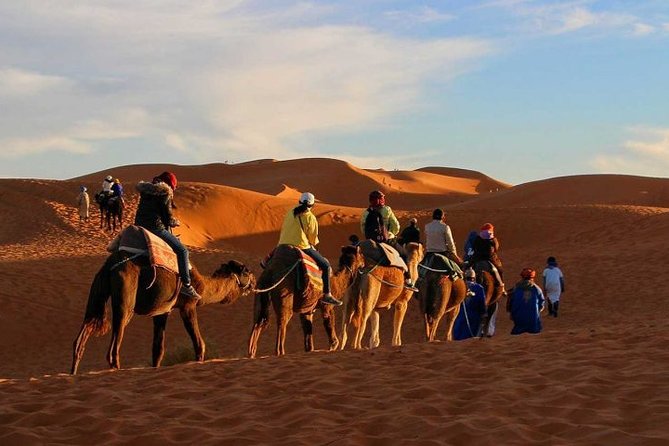
- Erg Chebbi desert night: camel ride into the dunes and a night in Berber tents
- Meals included through most days: breakfasts, dinners, and some lunches built into the schedule
- Experienced driving matters: the operation emphasizes safe, calm driving on narrow mountain roads and busy Marrakech traffic
- Small group limit: maximum 8 travelers, which helps with pacing and logistics
Marrakech to Imlil: The Easy Start Before the Climb
This tour starts in Marrakech with a 9:00 am meeting time, and pickup is offered. You’re not spending your first day figuring out transport on your own; the plan is to get you into the rhythm of the trip quickly.
The group is capped at 8 travelers, which changes the feel. In a small group, you tend to move together more smoothly, and guides can adjust pace without turning everything into a bottleneck. If you prefer a trip where you’re not fighting for space, this size helps.
One more practical note: you’re relying on a vehicle with air-conditioning for the long transfers. When your day includes early starts and then hours of road time, having that comfort can matter more than you expect.
You can also read our reviews of more tours and experiences in Marrakech.
Days 1–2 in the High Atlas: Toubkal Refuge and a Summit Attempt
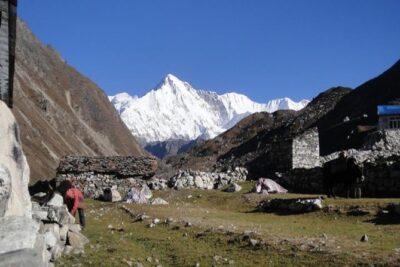
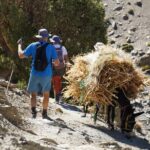
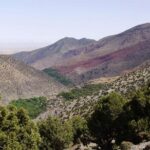
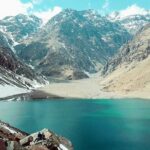
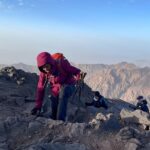
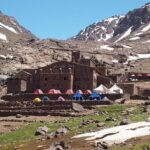
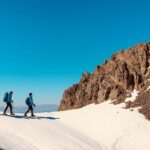
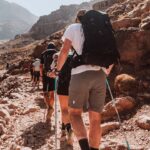
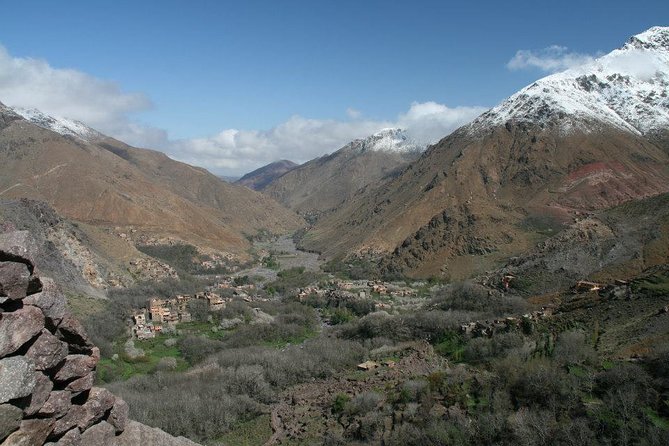
Day 1 begins in the little village of Imlil. From there, the trail climbs steadily, zigzagging and snaking upward until you reach the Toukbal Refuge (3206m) for the night. The hiking day is set at around 8 hours, so expect a full day even before you factor in altitude.
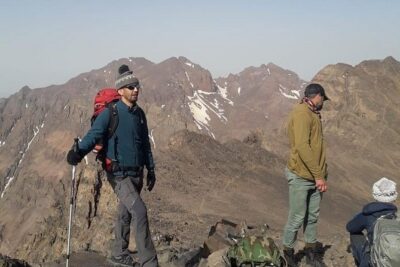
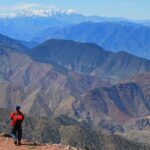
Day 2 is the summit attempt for Jebel Toukbal, described as the highest peak in Northern Africa. The key detail here is timing: early morning makes a big difference for conditions and for how you manage energy. When the summit is reached, you’ll get big open views over the surrounding terrain.
I also like that you’re not just “walking for walking’s sake.” The trek is tied to a clear goal and a clear overnight point, so you understand what you’re working toward each day. The refuge stop helps break up effort and gives your body a chance to adjust.
What to watch for
Altitude can shift how you feel, even if you’re fit. Pace on the ascent matters more than raw speed, and your mountain guide can help you settle into a rhythm. In one case, a traveler found the summit didn’t work out as planned, but the day still delivered a strong mountain experience with the guide keeping things friendly and manageable.
Day 2 Night in Imlil to Day 3 in Dades: The Real “Morocco Road Trip” Segment
After the Day 2 trek, the schedule shifts gears. You return to Imlil and spend the night in a guesthouse, which is a nice reset after climbing. That matters because Day 3 is more than a “transfer day”; it’s packed with scenery and a major cultural stop.
Day 3 starts with leaving Imlil and crossing the Tizi n’Tichka Pass in the High Atlas. This is the kind of road stretch that can feel slow in a regular tour, but here it’s the spine of the day. It connects the mountain world to the next set of sights and sets your expectations for what’s coming.
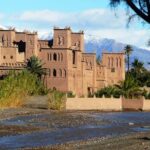
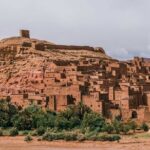
Then you have a visit to Kasbah Ait Ben Haddou on the way to Dades, with an overnight in Dades. Ait Ben Haddou is a place people keep coming back to because it looks like history. Even if you don’t obsess over architecture, you’ll feel how the location and materials were chosen to survive this terrain.
A balanced take on drive time
Day 3 is listed at about 8 hours, so you’re on the move. If you dislike road time, it can feel like a lot. But you gain value by having stops built into the drive, instead of losing the day to straight transit.
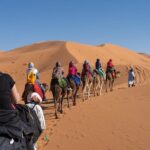
Day 4: Todra Gorge to Erg Chebbi Dunes, Plus the Camel Ride You’ll Actually Remember
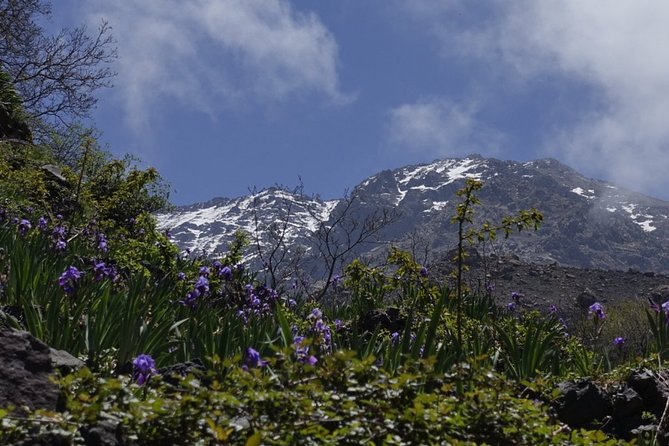
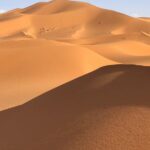
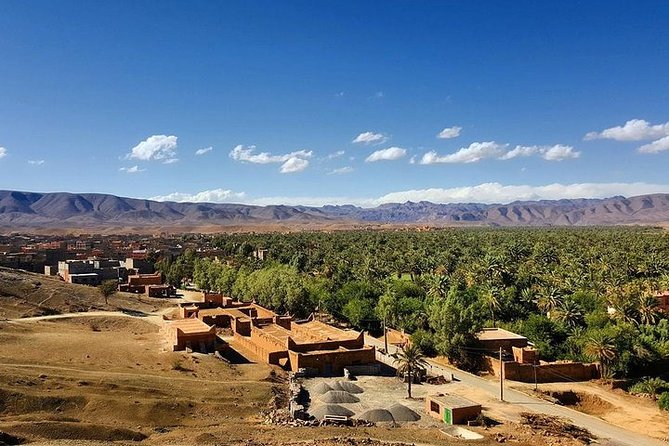
Day 4 is where the trip changes from mountains and towns to big emptiness. After breakfast, you drive to Todra Gorge, where there’s a short stop before continuing on to Erg Chebbi dunes. You arrive around 4 pm, which is a practical arrival window for a late-afternoon camel ride.
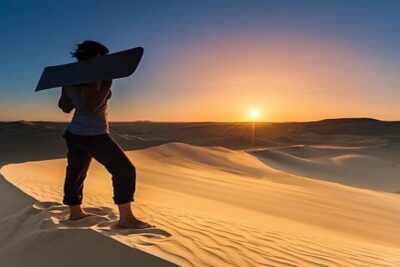
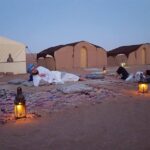
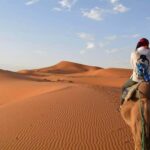
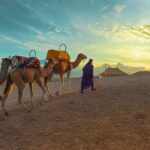
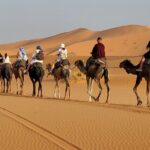
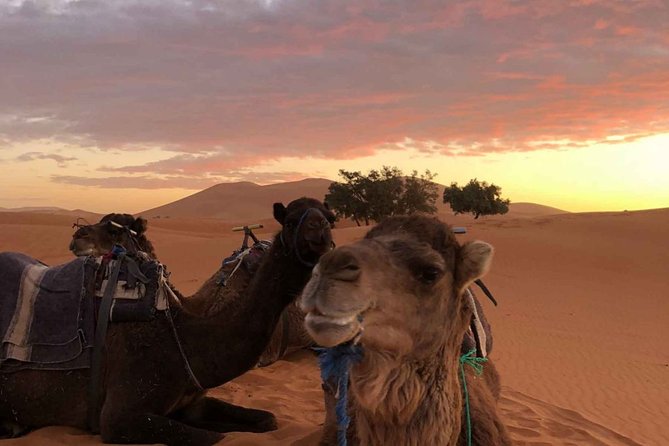
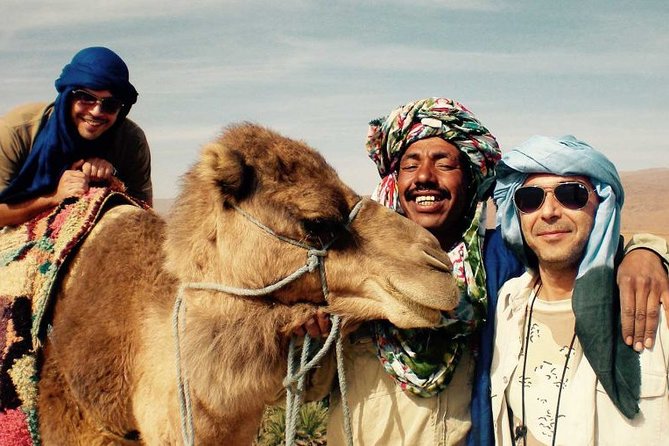
The camel ride is one of the big headline experiences, and the way this tour frames it is helpful: you ride into the dunes and then spend the night in Berber tents. You’re not just seeing sand from a roadside viewpoint; you’re moving into the setting and sleeping where the desert is the main event.
The desert timing is a smart touch. You get daylight to orient, then you get the night for the stars. One of the best parts of this kind of overnight is how it slows time down after an active trek.
What might surprise you
Camel rides can be physically demanding. You might find it helps to wear comfortable layers and avoid anything too bulky. Also, desert evenings can feel colder than you expect compared with daytime, even in shoulder seasons, so bring something warm even if the day starts sunny.
Day 5: Sunrise in the Desert Camp, Then a Long Return via Tizi n’Tichka
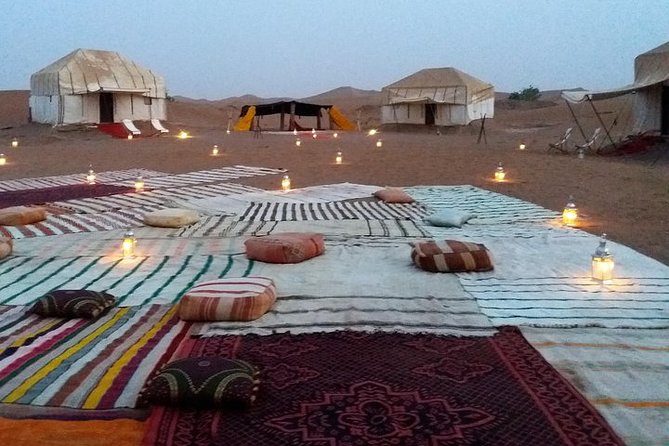
Day 5 begins with the sunrise moment at the camp, then breakfast at the site. After that, you ride camels back to the auberge, and the rest of the day is the long drive back to Marrakech, again via Tizi n’Tichka Pass.
This is about a 10-hour day on the schedule, which is a lot after you already hiked in the mountains and spent a night in the desert. The good news is the itinerary gives you a clean transition: sunrise and breakfast, then camel ride, then straight road time.
If you want maximum relaxation, plan your evening in Marrakech carefully. Don’t book tight plans late in the day unless you like living on the edge of traffic and fatigue.
Guides and Drivers: Why People Keep Mentioning Names
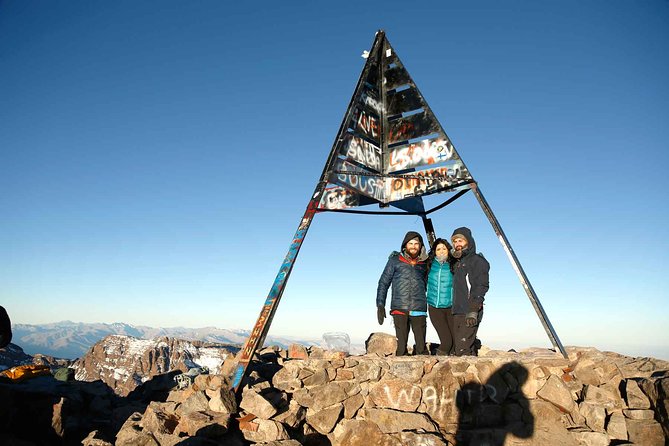
For this type of trip, the guide is often the difference between a smooth week and a stressful one. The overall feedback points strongly toward professional, reliable guidance and calm, capable driving.
You might encounter guides such as Hassan, Abdul, Moha, or Ibrahim, and drivers like Jamal or Said. What comes through in the stories is not just friendliness, but competence: being on time, sharing information, and solving issues without drama. One traveler described a guide making the summit attempt feel supported and even entertaining, including keeping a 16-year-old engaged during the climb.
Why that matters for your comfort
On mountain roads, one wrong move costs time and energy. In Marrakech traffic, you want calm decision-making more than risky speed. A good driver reduces stress so you can stay mentally present for the scenery and the stops.
Also, in a small group (up to 8), the guide’s communication style matters more. You’re not just a passenger; you’re part of a shared schedule.
Included Meals, Accommodation, and What That Means for Value
This tour includes accommodation and meals as per the itinerary, with breakfasts and dinners built in most days. Specifically, the plan includes breakfast (4), dinner (4), and lunch (2), plus the camel ride from/to the tented camp.
Here’s how I think about value: you’re not paying extra for every single meal, and you’re not organizing overnight lodging between regions. For a route that mixes trekking, a desert night, and multiple areas of Morocco, those inclusions tend to save both money and time.
The price is listed at $580.73 per person and you can usually book about 80 days in advance. That advance booking window can help if you’re traveling during higher-demand months and want to lock in dates.
What’s not included
Lunches and drinks aren’t included, and there are personal expenses and gratuities. That’s normal for this style of tour, but it’s smart to budget a little so you don’t get stuck counting change mid-trip.
Price and Logistics: The Tradeoffs You Should Know
This is a packed 5 days, and it shows up in the daily hours. You’ll have hiking days around 8 hours, plus long driving days around 8 hours and then a 10-hour return. If you prefer a slower pace with more free time, you might find the schedule tight.
Communication is another potential issue. One note suggested better communication from the company would improve the experience. That doesn’t mean the trip is poorly run, but it does mean you should confirm details clearly before you go, especially about timing and pickup.
And finally, the summit is a summit attempt. Even with strong guides, weather and conditions can change outcomes. The good sign is that the mountain part isn’t just about standing on top; you’re still trekking through the High Atlas with a planned overnight and a real objective.
Who This Tour Fits Best (and Who Should Pass)
This combo tour fits best if you want a true mountain-to-desert arc in one week. It’s ideal for people who like guided structure, can handle a mix of walking and road time, and want the desert experience to include a night in Berber tents, not a quick dune photo stop.
It’s also a good match if you appreciate reliable driving and guidance. The repeated mentions of drivers like Jamal and guides like Said point to an operation that takes safety and timing seriously.
You might want to look elsewhere if you dislike long days in a vehicle. You’re also committing to early starts on trek days and a full day return on Day 5.
Should You Book It?
If you want the High Atlas and the Sahara in one go, this itinerary makes a lot of sense. The trek has clear milestones (Imlil to 3206m, then a summit attempt), and the desert segment is built around a camel ride plus an actual overnight camp experience.
I’d book this if you’re comfortable with early mornings, hiking with altitude, and several hours of driving between regions. I’d pause if your ideal trip is low-effort and slow, because the schedule is intentionally full.
FAQ
What time does the tour start?
The meeting time is 9:00 am.
Where does the tour take place?
The tour starts from Marrakech, Morocco, and includes the Atlas Mountains, Kasbah Ait Ben Haddou, Todra Gorge, and Erg Chebbi dunes, with a return to Marrakech.
Is pickup included?
Yes, pickup is offered.
What meals and accommodation are included?
Accommodation and meals as per the itinerary are included. The tour lists breakfast (4), lunch (2), and dinner (4). Lunches and drinks are not included.
Does the tour include camel rides?
Yes. It includes a camel ride from/to the tented camp.
Can I cancel for a full refund?
Yes. You can cancel up to 24 hours in advance for a full refund.
If you tell me your travel month and your hiking comfort level, I can suggest whether the summit-day pace is likely to feel right for you.