REVIEW · CHIANG MAI
Chiang Mai 2-Day: Trekking, Tubing, Waterfalls & Elephant
Book on GetYourGuide →Operated by Tubing Chiang Mai · Bookable on GetYourGuide
One trip in Chiang Mai can feel like three. You’ll hike to Tard Mok Waterfall, tube the Mae Taeng River, slide down Saa Gee Falls, then spend the night in the northern jungle with elephant time built in.
What I really like is how the day flows from dry-land walking to water fun without turning into a slog. The second thing I love is the ethical elephant feeding component via Sunshine for Elephants, placed after the waterfall adventure so the whole day feels paced and purposeful.
One consideration: this is not a sit-around tour. Trekking through the jungle requires basic fitness, and the tubing water can be rocky with changing river conditions depending on rainfall.
In This Review
- Key highlights that make this worth your time
- Jungle-to-river pacing: what the 2 days actually feel like
- Morning pickup and the drive into Mae Taeng country
- Huay Kub Kab Base Camp: your home base in the jungle
- The Tard Mok Waterfall trek: bamboo trails and a swim stop
- Mae Taeng River tubing: the thrill is in the scenery
- Saa Gee Waterfalls slide: the quick walk that turns into fun
- Sunshine for Elephants and elephant feeding: what you’re paying for
- Dinner, bonfire vibes, and sleeping in the jungle
- Day 2: breakfast in the trees and back to Chiang Mai by midday
- Price and value: what $107 buys you (and what it doesn’t)
- Who this trip suits best (and who should rethink it)
- What to pack so Day 1 doesn’t turn into Day 1.5
- Should you book Chiang Mai 2-Day: Trekking, Tubing, Waterfalls & Elephant?
- FAQ
- What does the 2-day experience include?
- Where is the tubing activity done?
- Is elephant feeding guaranteed?
- What are the main timings for Day 1 and Day 2?
- What should I bring for the activities?
- How safe is the river tubing?
- Is this tour suitable for wheelchair users?
Key highlights that make this worth your time
- Tard Mok Waterfall hike through bamboo groves and forest trails, with time to swim and relax
- Mae Taeng River tubing through jungle scenery, with life jackets and a generally calm floating area
- Saa Gee Waterfalls slide into clear pools after a short jungle walk
- Elephant feeding at Sunshine for Elephants (hand-feeding experience depends on your package)
- Two lodging styles: clean jungle dorms or a private pool villa for a bigger splurge
Jungle-to-river pacing: what the 2 days actually feel like
This is a busy, outdoors-first itinerary. Day 1 is about getting you into “real northern Thailand” fast: pickup, a countryside drive, a waterfall hike, then tubing, then a final waterfall moment before dinner and sleep. Day 2 is lighter, mostly breakfast and check-out, then you’re back in Chiang Mai by midday.
Because the activities are all in the same general Mae Taeng area, you’re not bouncing back and forth across the province all day. That matters. Shorter transfer time means more time in the places you came for: bamboo trails, river water, and those natural waterfalls.
The small group size (up to 16) also changes the vibe. You’re not stuck watching the last person fumble with gear while everyone else waits. It tends to keep things moving, and it’s easier to get quick help if you’re new to tubing or sliding.
You can also read our reviews of more tours and experiences in Chiang Mai.
Morning pickup and the drive into Mae Taeng country
Your day starts with pickup from your Chiang Mai accommodation between 07:30 AM and 08:00 AM. From there, expect about 1.5 hours of scenic drive through Mae Taeng’s countryside.
This drive isn’t just logistics. It’s your first taste of the terrain you’ll be in for the next 24 hours—green hills, rural roads, and that feeling that you’re leaving the city behind without needing to stress about navigation.
Practical note: bring cash if you want it on hand. You’ll likely want it for personal expenses, and the packing list also calls for cash generally. Also, keep water and sunscreen in mind even before you reach the base camp; the schedule gets outdoors fast.
Huay Kub Kab Base Camp: your home base in the jungle
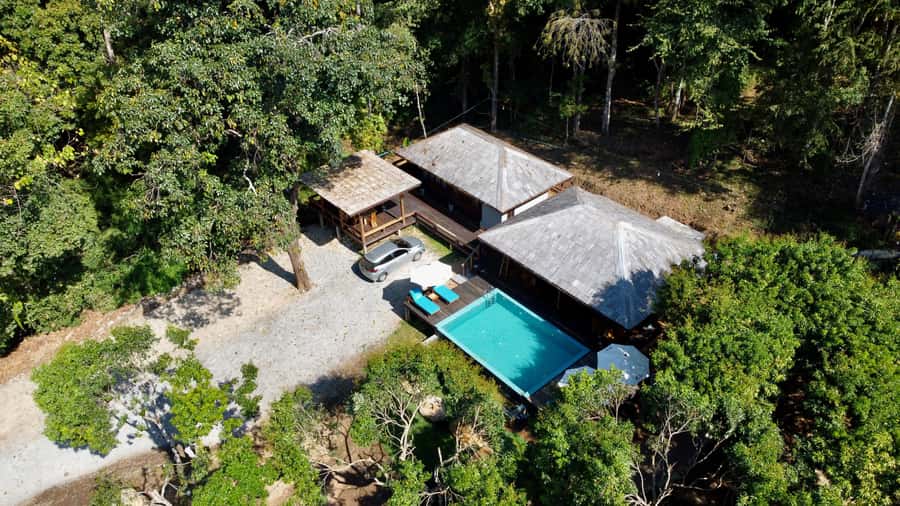
Once you arrive at the base camp (Huay Kub Kab Base Camp), you’ll get oriented. Expect to change into trekking clothes, store belongings, and receive a safety briefing before heading out.
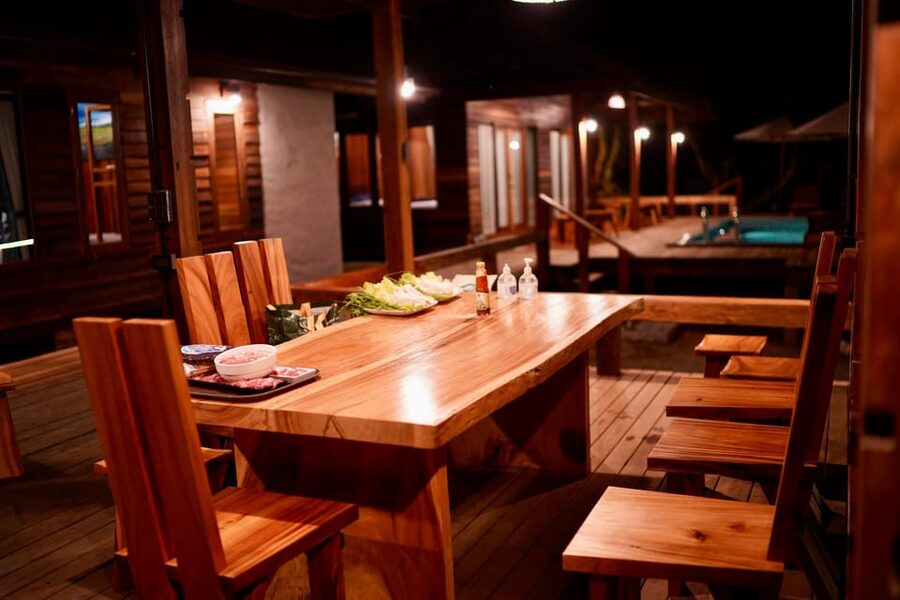
Base camp is a real overnight setup, not a quick drop-and-go. You’ll have a place to reset, and you’ll eat there later. In the most popular “whole package” feel, the site becomes part of the experience: shower access, a Thai meal, and that quiet jungle atmosphere at night.
If you choose the dorm option, plan on a clean, simple jungle stay. If you upgrade to the pool villa, you’re paying for privacy and a more premium “stay in nature” feel. Either way, you’re not spending the night in a random roadside stop.
The Tard Mok Waterfall trek: bamboo trails and a swim stop
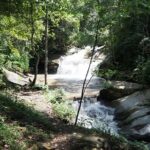
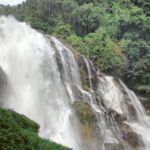
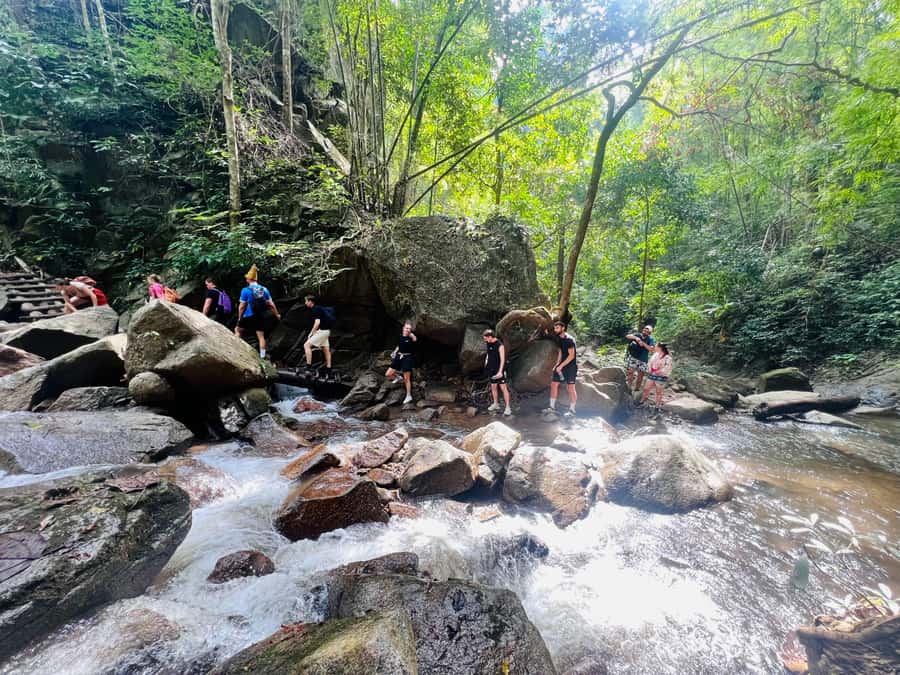
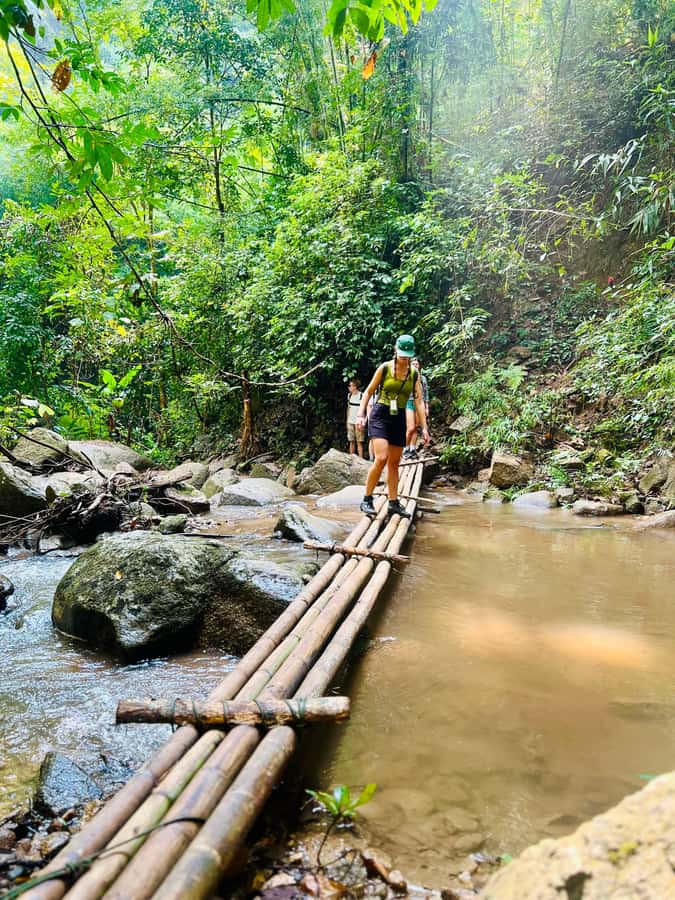
The first big activity is the trek to Tard Mok Waterfall. The hike goes through bamboo groves, forest trails, and hidden streams. It’s designed as a worthwhile outing rather than a punishing expedition.
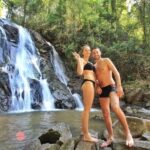
When you reach the waterfall, you’ll have time to relax and swim. This is one of those moments where the effort makes sense. You go from greenery and uphill sections to a cool, concrete-simple reality: you’re at water, you can rest, and you can enjoy the view without rushing.
One tip that’s practical rather than fancy: bring hiking shoes or sturdy footwear. The itinerary suggests comfortable shoes and hiking shoes, plus flip-flops for downtime. That combo is smart. You’ll want traction on the trail and something easy for near-water areas afterward.
Mae Taeng River tubing: the thrill is in the scenery
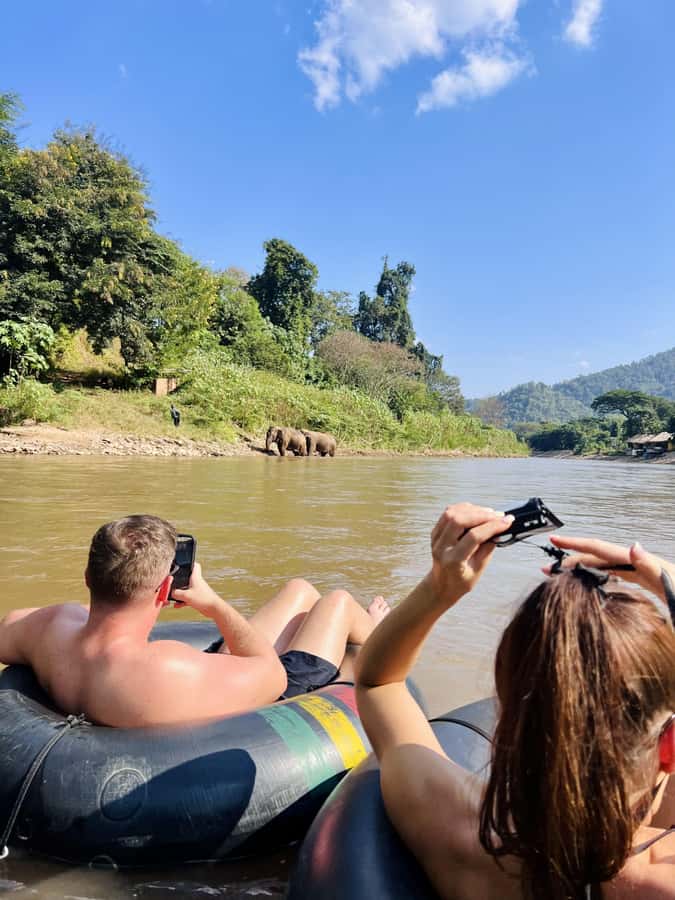
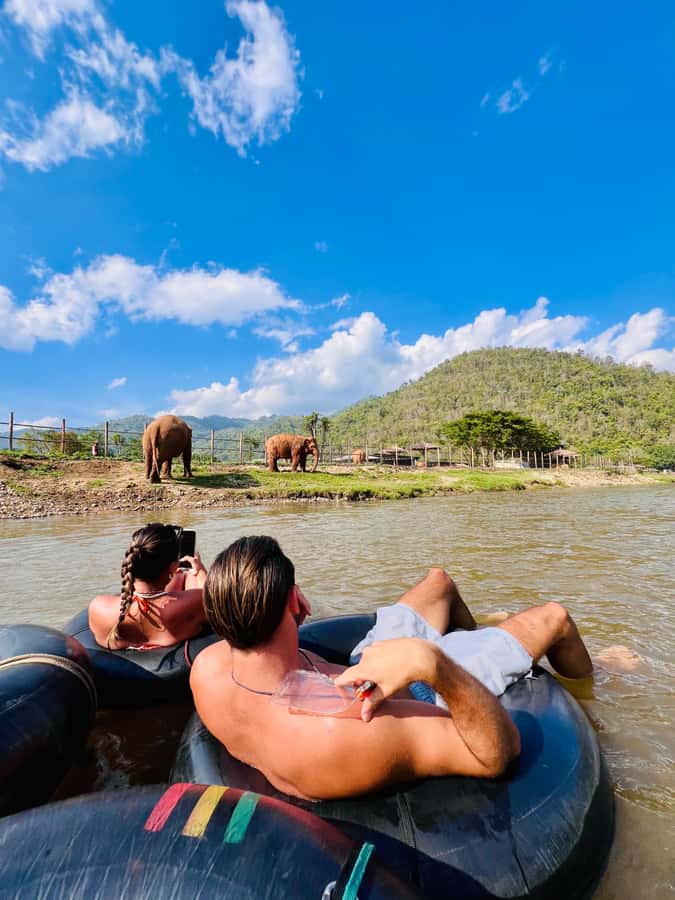
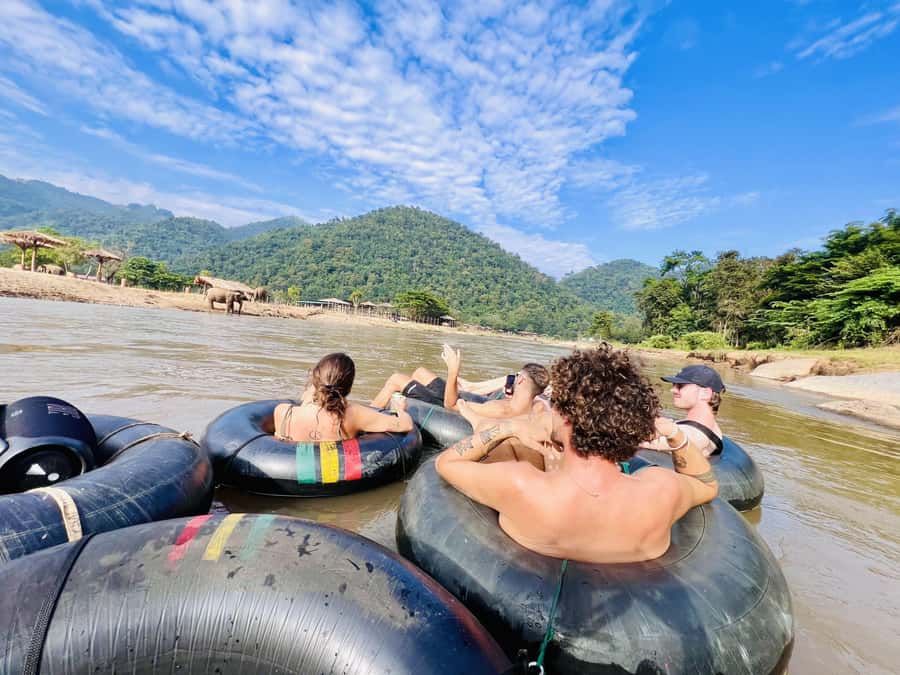
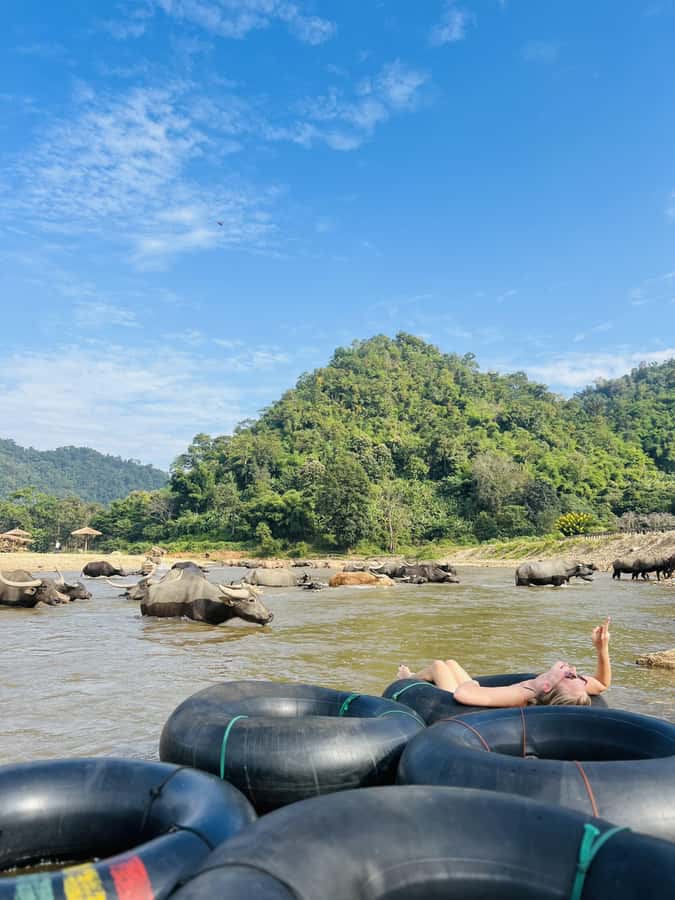
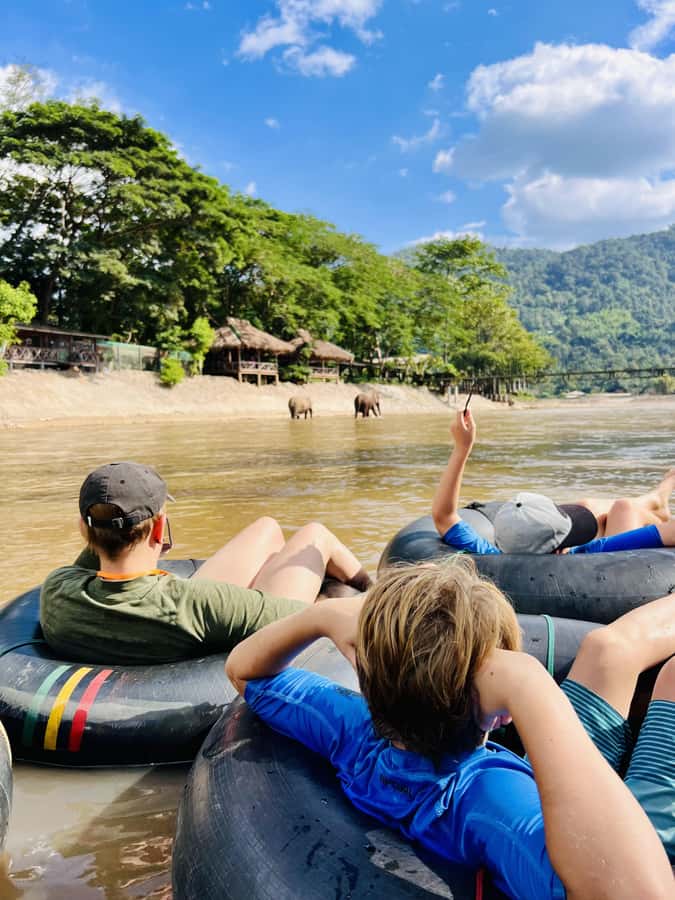
After lunch and recharging at base camp, the next stop is tubing on the Mae Taeng River. You’ll float down through lush jungle scenery, with a chance to see elephants and water buffalo along the way because you pass near Elephant Nature Park.
A key reality check: wildlife sightings aren’t guaranteed. The animals roam freely, and rivers are dynamic. But even without spotting wildlife every minute, the tubing portion is still about moving through a green corridor with a relaxed rhythm.
Safety and water conditions matter here:
- There are life jackets provided.
- The floating area is generally calm, but there are some rocks.
- Water depth varies by season, roughly 30 cm to 1.5 m.
- The river color constantly changes depending on rainfall, since sediments can shift the hue.
If you’re worried about getting feet wet or feeling unstable, pack your mindset: this is active fun, not a theme-park lazy river. And if rain has been heavy recently, expect the river to look different and carry different sediment.
Saa Gee Waterfalls slide: the quick walk that turns into fun
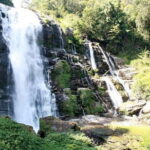
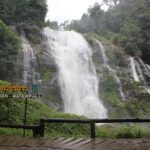
The next “wow” moment is at Saa Gee Waterfalls. You’ll take a short jungle walk to reach the waterfall and then slide down into clear pools.
This is a great gear moment: you’ll want swimwear and a change of clothes ready. The itinerary specifically calls out swimwear and change of clothes, which tells you the day is planned around getting wet, then drying out later.
If you want photos, a waterproof bag is strongly recommended for your phone. Don’t rely on luck here. A waterproof pouch is cheaper than replacing a phone.
Also, the slide is one of those activities that can get more exciting once you’re there. You might feel cautious at first, but it’s typically quick and memorable—one of the easiest ways to add adrenaline to a nature day without it becoming a technical sport.
Sunshine for Elephants and elephant feeding: what you’re paying for
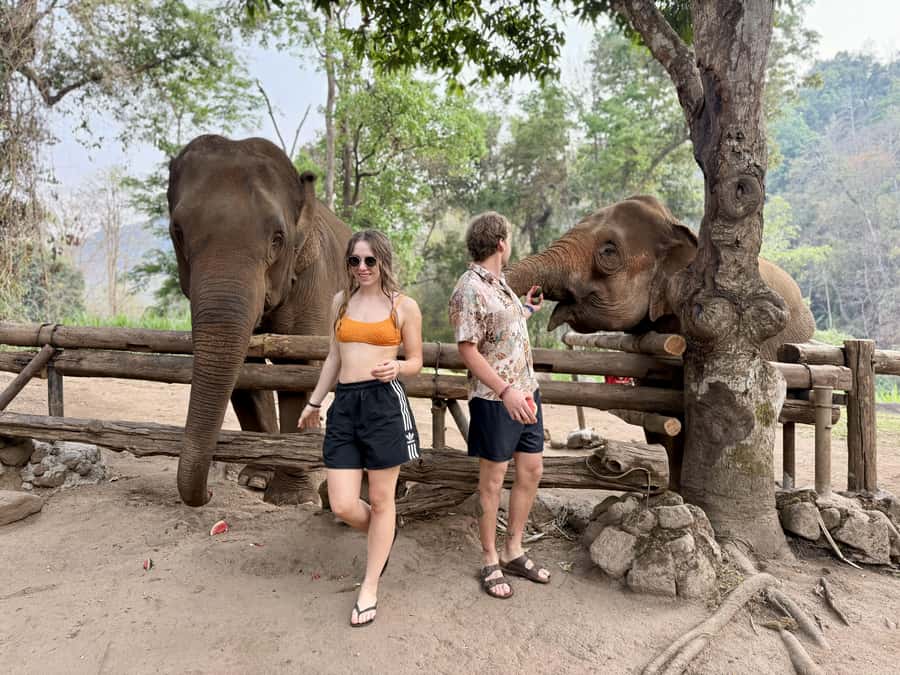
If your package includes it (packages A5.1 and A6.1), you’ll do elephant feeding at Sunshine for Elephants, a local ethical elephant care project. This part is built around learning and responsible tourism, not showy performance.
What you actually do:
- Learn about elephant conservation and responsible tourism
- Prepare food and feed elephants by hand
- Observe the elephants in a peaceful, natural setting
- You may also have photo opportunities depending on timing and your chosen option
This component is a major reason many people book the tour. Even if you’ve seen elephants elsewhere, the “care project” framing changes how you experience it. You’re interacting in a conservation-focused environment where the goal is welfare, not spectacle.
One practical point: keep your expectations realistic. The interaction depends on the sanctuary schedule and elephant comfort. It’s not a guaranteed “touch and take selfie” situation. But when it works, it tends to be the most emotional part of the day.
Dinner, bonfire vibes, and sleeping in the jungle
After your activities, you return to base camp for shower and refreshments. Dinner is Thai, eaten under the stars in a nature setting. There’s also mention of a bonfire in the experience style, which matches what people seem to love about this kind of overnight setup: you’re tired, happy, and surrounded by dark jungle instead of a hotel corridor.
This is also where your lodging choice matters.
- Jungle dorm: clean and comfortable, with privacy features like curtains and basic comforts like plugs and night lights (depending on the room setup).
- Private Pool Villa (A6.1 only): a bigger upgrade for people who want downtime that feels more luxurious after an active day.
If you’re sensitive to sound, remember you’re in the jungle. Night sounds can be part of the charm—or not. If you want the most restful sleep, consider earplugs and choose the quieter room setup if available.
Day 2: breakfast in the trees and back to Chiang Mai by midday
Day 2 starts with breakfast and check-out between 09:00 AM and 10:00 AM. Then you’ll depart back to Chiang Mai around a time that gets you drop-off by about 11:30 AM to 12:00 PM.
This makes the trip feel like a clean 48-hour loop: you get two major outdoor sessions on Day 1, then Day 2 is more about recovery and a relaxed finish rather than “one more big hike.”
If you’re planning the rest of your Chiang Mai stay, this schedule is a plus. You’re not stuck traveling late into the afternoon, and you can still do evening plans in the city without feeling totally wrecked.
Price and value: what $107 buys you (and what it doesn’t)
At $107 per person for a 2-day outing, you’re paying for a lot more than one activity. You’re getting:
- Round-trip transportation
- A full day of guided trekking and two waterfall experiences
- River tubing with life jackets and equipment
- An overnight stay (dorm or optional pool villa depending on package)
- Meals (lunch, dinner, breakfast)
- Elephant feeding experience depending on your selected package
That’s why the price can feel reasonable: it bundles transportation, meals, and multiple activities into one coordinated schedule. You’re not piecing together hikes, river time, and elephant visits separately.
What’s not included: alcohol (listed as 60 THB per can) and personal expenses. So if you drink, budget a bit extra. Also plan for any extra snacks you want beyond what’s provided.
If you’re the type who likes “pay once, worry less,” this style fits. If you prefer DIY transport and skipping parts, you might find it less flexible.
Who this trip suits best (and who should rethink it)
This fits you if you want a true outdoors mix: trekking, water time, and elephant conservation-focused interaction. It’s also a good match if you like being away from the city and want a short jungle stay that doesn’t require planning a whole weekend on your own.
It may not fit you if:
- You’re not comfortable with moderate hiking through jungle trails
- You need wheelchair accessibility (it’s listed as not suitable for wheelchair users)
- You want a slow, spa-style schedule
For families, there’s also a tubing note: for small children, it’s recommended they sit on a parent’s lap for safety and comfort during tubing. That’s a useful detail if you’re traveling with kids.
What to pack so Day 1 doesn’t turn into Day 1.5
The packing list is simple and smart. You’ll want:
- Comfortable shoes and/or hiking shoes
- Hat
- Swimwear
- Change of clothes (yes, bring it)
- Flip-flops for downtime
- Cash
- A waterproof bag for your phone (recommended)
Then think about the order: you’ll get wet during tubing and the waterfall slide, so keep a dry set ready for later. Also bring a plan for your electronics—people often underestimate how fast a phone can become a paperweight during water activities.
Should you book Chiang Mai 2-Day: Trekking, Tubing, Waterfalls & Elephant?
I’d book this if you want a compact Chiang Mai jungle weekend that’s built around real activities instead of just sightseeing. The combination is rare in one package: Tard Mok Waterfall trek, Mae Taeng river tubing, Saa Gee waterfall sliding, and then elephant feeding at Sunshine for Elephants (when you select the right package).
I’d skip it if you want an easy day, guaranteed wildlife encounters, or a fully relaxed schedule. Also, if your main goal is elephants only, consider whether you’d prefer a dedicated elephant-focused half-day or full-day visit without the trekking and tubing.
If you can handle moderate walking and you like water fun, this is one of the better ways to spend two days near Chiang Mai—active, guided, and grounded in conservation rather than circus tricks.
FAQ
What does the 2-day experience include?
It includes round-trip transportation, trekking to Tard Mok Waterfall, river tubing, a waterfall slide at Saa Gee Waterfalls, an overnight stay (dorm or pool villa depending on package), meals (lunch, dinner, breakfast), and drinking water. Elephant feeding is included only in packages A5.1 and A6.1.
Where is the tubing activity done?
Tubing is done on the Mae Taeng River. Along the route, you pass by areas where you may spot elephants and water buffalo, but wildlife sightings are not guaranteed.
Is elephant feeding guaranteed?
Elephant feeding is included as an option only in packages A5.1 and A6.1. The elephant activity is described as an ethical elephant care project experience, but it’s still dependent on the sanctuary’s schedule and the elephants’ natural behavior.
What are the main timings for Day 1 and Day 2?
Pickup is scheduled around 07:30 AM to 08:00 AM on Day 1. Check-in and dinner are in the evening, and Day 2 includes breakfast and check-out between 09:00 AM and 10:00 AM, with drop-off in Chiang Mai around 11:30 AM to 12:00 PM.
What should I bring for the activities?
Bring comfortable shoes (and hiking shoes), a hat, swimwear, a change of clothes, flip-flops, and cash. A waterproof bag is recommended for your phone.
How safe is the river tubing?
You’ll get life jackets, and the floating area is generally calm with some rocks. Water depth varies by season from about 30 cm to 1.5 m, so proper footwear and paying attention to the guide’s instructions matter.
Is this tour suitable for wheelchair users?
No, it’s listed as not suitable for wheelchair users.