REVIEW · SAPA
Sapa Trekking Tour Full Day
Book on Viator →Operated by Travel New Land · Bookable on Viator
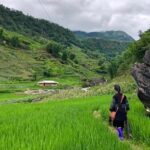
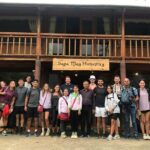
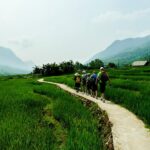
Terraced trails beat a bus ride in Sapa. This full-day trek through bamboo-lined paths and small ethnic villages lets you see how people live along the Muong Hoa Valley with on-site H’Mông or Dao guidance. I like that the pacing stays friendly in a max 10–12 person group, with photo stops and route tweaks based on how your day is going.
You also get real value baked into the price: lunch and sightseeing tickets are included, plus pickup/drop-off from the town center. The route is flexible, so if the sky clears you can chase the panoramic views from the day’s high point over terraced fields and the Hoàng Liên Sơn Range.
One thing to plan for: the trails can get muddy and slippery, especially after rain, so good footwear matters. If you have limited mobility or don’t like uneven ground, you might feel the day more than you want.
In This Review
- Key things to know before you go
- Price and what you actually get for your $24.17
- Meeting point at Sapa Retreat Condotel: how the morning flow works
- Y Linh Ho Village: bamboo trails and a first taste of the valley
- Muong Hoa Valley segments: ethnic diversity you can see, not just read
- Lao Chải Village: terraced slopes and a stream you can hear
- Ta Van at 12:30: a lunch break with cultural context
- High-point viewpoints and cloud-hunting over Muong Hoa
- Guides you’ll actually remember: Ms Su, Maucha, and Mao Co
- Trek conditions: muddy trails and why gum boots matter
- Who this full-day trek suits best
- Should you book it? My take on the decision
- FAQ
- FAQ
- How long is the Sapa Trekking Tour Full Day?
- Where does pickup happen, and what if I have luggage?
- What villages do we visit?
- Is lunch included?
- Are sightseeing tickets included?
- Are drinks included?
- What’s the group size limit?
- What physical fitness level do I need?
- Is there insurance included?
- Can I cancel for a full refund?
Key things to know before you go
- Small group size (max 12) keeps the walk personal and easier to manage
- Local H’Mông or Dao guide means you get customs and context, not just directions
- Lunch + sightseeing tickets included keeps costs predictable
- Flexible route adjustments help match the day to weather and group pace
- Muddy conditions are common so plan for traction and quick changes in footing
Price and what you actually get for your $24.17
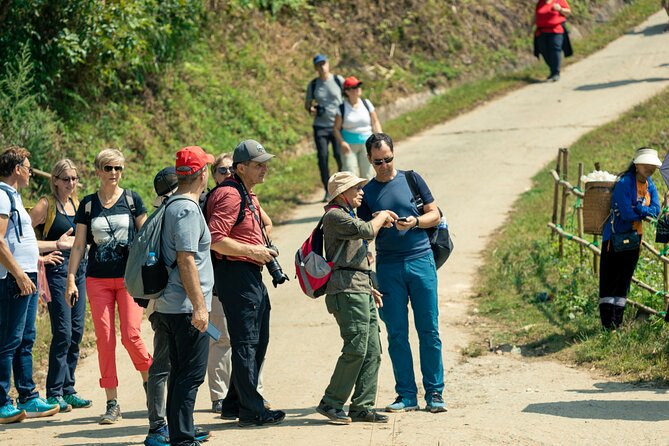
At about $24.17 per person, this is a rare kind of Sapa deal because it’s not just “walk and hope.” You’re paying for a working guide, transport, and the stuff that often gets added later.
From the included list, you’re covered for: lunch, a tour guide, sightseeing tickets, insurance, and pickup/drop-off at central hotels. Drinks are the one clear extra, so budget for water or juice if you’re the type who needs it after the climb.
Value here comes from how the day is organized: the tour is about 6 hours, with a compact set of village stops that fit into a single day in Sapa town. For many people, that’s exactly what you want—enough time for authentic scenery and community visits, without committing to a multi-day trek.
If you’re trying to compare options, I’d weigh this against tours that charge separately for guides, transfers, or meals. When those are bundled, you usually get fewer surprises and less waiting around.
Meeting point at Sapa Retreat Condotel: how the morning flow works
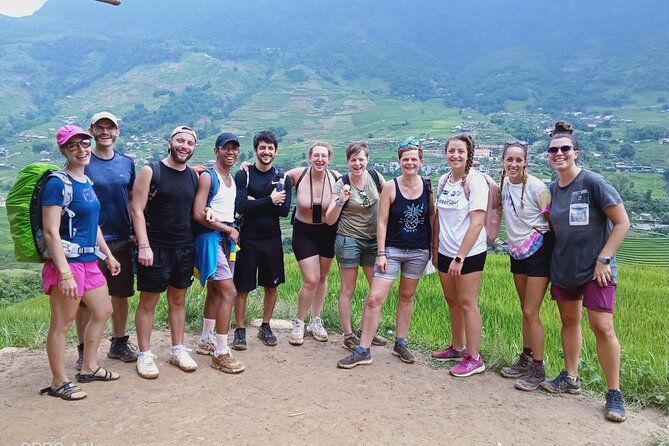
The day starts with pickup between 8:00 and 8:30. You can be picked up at your hotel in the town center, or you can meet directly at Sapa Retreat Condotel, 03 Hoàng Liên, TT. Sa Pa, Sa Pa, Lào Cai 333100.
There’s a helpful detail if you arrive with luggage: if you go to the meeting point, you can leave your bags at the hotel before you depart for the tour. That small convenience matters because it keeps you from carrying extra weight on a wet, uneven trail.
The tour ends back at the meeting point, which makes your afternoon planning easier. No guessing where you’ll end up, and no scramble for transportation at the end of a long walk.
Y Linh Ho Village: bamboo trails and a first taste of the valley
Your first stop is Y Linh Ho, visited for about 2 hours, with the admission ticket included. This is typically where the day starts to feel real: you’re no longer in “Sapa town sightseeing mode.” You’re on the village side of the Muong Hoa Valley, with terraced farmland and mountain views shaping the walk.
What makes this stop work is the combination of time and orientation. Two hours gives you enough room to slow down, take photos, and actually notice daily life rather than rushing through for a quick snapshot.
Practical note: Y Linh Ho is a good place to set your expectations for the whole trek. If you’re already feeling unsure about footing here, you’ll want to take that seriously and prepare for the rest of the day accordingly.
Also, because the guide is on-site and local (H’Mông or Dao), this is where you’re most likely to learn small details: how people describe their landscape, how they think about farming, and what matters in everyday village life.
Muong Hoa Valley segments: ethnic diversity you can see, not just read
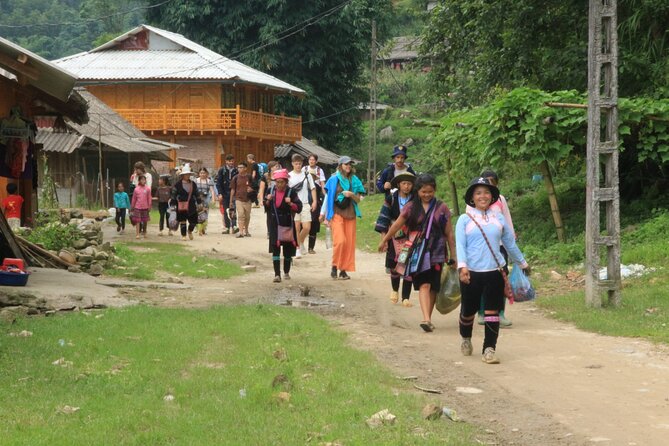
After Y Linh Ho, the route moves through the Muong Hoa Valley, where multiple ethnic minority groups live, including H’mong, Red Dao, Tay, and Giay.
Even when you’re not stopping inside every community, you’ll still feel the presence of different cultures in what you pass: clothing styles, small household routines, and the way people manage agriculture on slopes. This is the big reason I like walking routes like this instead of doing only viewpoint stops. You get the “in-between” moments.
This part of the day is also when the pace can vary, because the itinerary is designed with flexibility. The guide can adjust optional stops and route choices based on your group’s preferences. That’s important in Sapa, where weather can change fast and where mud can slow everyone down.
If you care about photos, this is a good time to ask for timing advice. When cloud cover shifts, the valley views can change dramatically. A flexible guide can often help you catch the best light without turning it into a sprint.
Lao Chải Village: terraced slopes and a stream you can hear
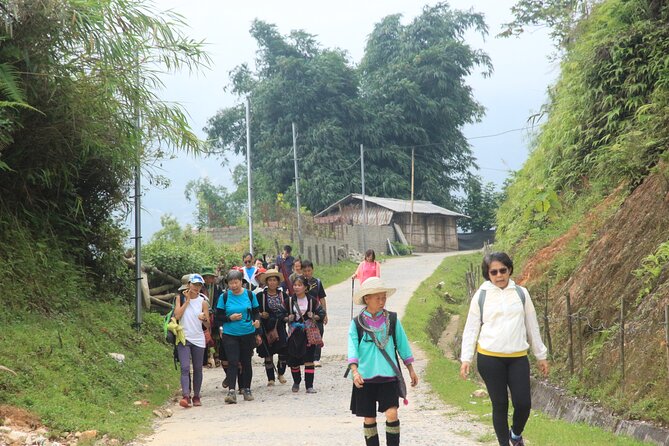
You’ll continue onward until you reach Lao Chải Village, described as a place with a small clear stream running alongside the village. That detail is not random. Water running through a community usually means steadier daily rhythms: irrigation, livestock routines, and the practical reality of living close to where water flows.
You also get the “slope life” view here—villages shaped by terraced fields and the steep terrain of the Hoàng Liên Sơn area. If you’ve only seen Sapa from viewpoints, this is where you see how the valley is actually worked.
One drawback to keep in mind: even if the route is short enough to feel doable, villages-to-villages walking often includes uneven ground. If it rained the night before or the trail stays damp, expect slick patches and plan to move carefully.
Good news: the tour is guided, and the group size helps. You’re not tackling this alone, and the guide can stabilize you or help you find the safest path.
Ta Van at 12:30: a lunch break with cultural context
Around 12:30, you arrive at Ta Van Village, where people mainly come from H’mong, Dao, Giay, and Tày ethnic groups. Most livelihoods are centered on farming, livestock raising, and rice cultivation, so this is a logical “human anchor” stop in the middle of the day.
This is also where lunch happens—included as part of the tour. Reviews highlight the lunch as a good part of the experience, and from a value standpoint, it keeps you from hunting for food while your energy is dropping.
Ta Van tends to feel like more than a waypoint because you’re spending time in a village where agriculture is not just scenery—it’s the day’s work. That changes the vibe. Instead of “passing through,” you can ask questions about routines and what’s important.
If you’re watching how people dress, Ta Van is also often a place you’ll notice variety because multiple groups are represented. Even without deep language skills, you’ll pick up on the visible differences and be able to ask simple questions through your guide.
High-point viewpoints and cloud-hunting over Muong Hoa
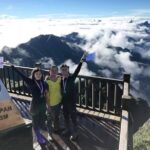
One of the most exciting promises of this trek is the panoramic view from the day’s highest point. You’re set up to look out over the Muong Hoa Valley, terraced fields, and the Hoàng Liên Sơn Range.
This is where the route flexibility becomes more than a marketing line. If conditions allow, the guide can adjust timing and optional stops so you’re more likely to catch clearer views. It’s also why a short full-day trek can feel more satisfying than a quick half-day: you’re not just walking; you’re walking toward a payoff view.
Cloud-hunting is real here. When fog lifts even a little, the terraced patterns can look startling—like someone drew the valley with layered brushstrokes. When visibility is low, the same view can still be atmospheric, but you should expect softer detail.
Either way, this high point is the part of the day you’ll remember most.
Guides you’ll actually remember: Ms Su, Maucha, and Mao Co
The biggest repeat theme in the feedback is guide quality. The tour is led by an on-site H’Mông or Dao guide, and several guide names came up clearly:
- Ms Su, described as enthusiastic and warm when people joined the afternoon trek option
- Maucha, mentioned in a less smooth experience where the guide seemed to run ahead at times
- Mao Co / Mao Cô, repeatedly praised for English skills, friendliness, and helping people through muddy sections
Here’s how you can use that information for your own trip, even if you don’t know your guide’s name yet.
When you meet your guide, ask one simple question early: what pace today fits best for this group, and where are the safest footing spots? You’ll get a feel fast for how the guide manages the trail.
If you tend to be slower with photos or want more cultural talk, say it upfront. Small-group format only helps if you communicate your needs early.
Also, if you’re worried about losing the group, keep your “back pocket” behavior ready: stay within a comfortable walking distance and watch for the group regroup points. That’s the easiest way to avoid the kind of frustration that can come from a guide moving too fast.
Trek conditions: muddy trails and why gum boots matter
Sapa trekking can be gorgeous and annoying in the same hour. One of the clear cautions from real experiences is that conditions can be extremely muddy and slippery after rain.
People described slips and falls, with the guide stepping in to stabilize them. That’s reassuring, but it’s still better to show up prepared so you’re not relying on emergency support.
My strong recommendation: gum boots or footwear with solid traction. If the trail looks shiny or dark, assume mud is waiting underneath.
Bring a change plan in your mind too. If you get mud on your socks, your boots might feel heavier for the rest of the day. Trekking is short here, but the payoff is better when you’re comfortable.
A light rain layer helps. The tour itself is flexible, but it won’t stop the weather. You’re walking outdoors in the Muong Hoa Valley, so assume conditions will shift.
Who this full-day trek suits best
This tour is best for people who want:
- A one-day Sapa experience with village life and valley views
- A guided route with cultural explanations, led by a local H’Mông or Dao guide
- A manageable trek around 6 hours, with moderate physical fitness as the stated level
If you love photos, the combination of terraced fields, village scenes, and a high-point panorama gives you lots of chances without needing an entire day of hiking.
If you hate uneven ground or you can’t handle slippery surfaces, you might want a different plan—or be very selective with footwear and pace. And if you’re highly sensitive to getting wet or muddy, mentally prepare for the possibility.
Should you book it? My take on the decision
Book this tour if you want a small-group Sapa day that mixes valley views with village visits, and you value a guide who explains what you’re seeing. The price is hard to beat when lunch, sightseeing tickets, pickup/drop-off, and insurance are included.
I’d think twice if you know you’re likely to struggle with mud, because the terrain can turn slick fast. You’ll still have guide support, but the best experience comes from arriving with the right footwear and staying in the group.
If your goal is a full day that feels authentic without feeling exhausting, this is a strong match.
FAQ
FAQ
How long is the Sapa Trekking Tour Full Day?
The duration is listed as about 6 hours.
Where does pickup happen, and what if I have luggage?
Pickup happens between 8:00 and 8:30 at your town center hotel, or you can meet at Sapa Retreat Condotel. If you meet at the condotel, you can leave luggage there.
What villages do we visit?
The tour includes Y Linh Ho Village, passes through Muong Hoa Valley to reach Lao Chải Village, and then arrives at Ta Van Village around 12:30.
Is lunch included?
Yes. Lunch is included.
Are sightseeing tickets included?
Yes. Sightseeing tickets are included.
Are drinks included?
No. Drinks are not included.
What’s the group size limit?
The tour has a maximum of 12 travelers.
What physical fitness level do I need?
It’s described as suitable for travelers with a moderate physical fitness level.
Is there insurance included?
Yes. Insurance is included.
Can I cancel for a full refund?
Yes. Free cancellation is available up to 24 hours in advance for a full refund.
—
If you tell me what month you’re going and your hiking comfort level, I can help you decide if this timing suits you and what to pack for the trail conditions.