REVIEW · SAPA
Sapa Mountain Escape: 2-Day Trekking, Rice Terraces & Homestay
Book on Viator →Operated by Sapa Odyssey Tour · Bookable on Viator
Sapa hits different after two days on foot. This 2-day, 1-night trekking trip in Sapa strings together mountain viewpoints, Hmong villages, terraced fields, and bamboo forest paths, then ends with a night in a real Hmong family homestay in Giang Ta Chai. You’ll also get a local-focused cultural lens, including time to learn how different groups live in the hills.
I like the way the tour handles the human side of the trip. My favorite part is the guide, Nhu, who’s warm and passionate about sharing local culture, and who can adjust the route so your group isn’t stuck with every other crowd at every turn. I also love the homestay rhythm: you’re fed well (breakfast, two lunches, dinner, plus water are included), and you get time to see day-to-day life up close instead of just snapping photos and moving on.
One consideration: this is a trekking route with a moderate fitness expectation, and you’ll be walking between villages on mountain paths and trails. If you want a fully restful, zero-effort vacation, this won’t feel like that; it’s for people who don’t mind earning the views.
In This Review
- Key Things I’d Circle Before Booking
- Sapa Trekking With Real Village Stops (Not Just Viewpoints)
- Day 1: Ham Rong Mountain, Hang Da, and the Trek Toward Giang Ta Chai
- Ham Rong Mountain (about 3 hours)
- Hang Da Village (about 1 hour)
- Hau Thao trek through bamboo and village paths (about 1.5 hours)
- Giang Ta Chai Village homestay arrival (late afternoon)
- Why the Giang Ta Chai Homestay Is the Real Prize
- Day 2: Morning Coffee Views, Ta Van Culture, and Lao Chai Rice Terraces
- Giang Ta Chai in the morning (about 2 hours)
- Ta Van Village and the bamboo forest exit (about 1 hour)
- Lao Chai (about 2 hours)
- Guide Nhu Makes the Difference Between a Trek and a Story
- Price and Value: What $80 Covers (and What It Doesn’t)
- Timing, Fitness, and What to Pack for a Smooth Trek
- Who This Tour Fits Best
- Should You Book Sapa Mountain Escape?
- FAQ
- What does the tour cost and how long is it?
- Where does the tour start and end?
- What meals and drinks are included?
- Is pickup offered?
- Can the tour accommodate dietary restrictions like vegan or gluten-free?
- How does cancellation work?
Key Things I’d Circle Before Booking
- Hotel pickup or meeting at Sa Pa Stone Church (P. Hàm Rồng, TT. Sa Pa) so you start the day without hunting
- Homestay with a Hmong family in Giang Ta Chai, with tea welcome and time to settle in like you belong
- A true trail mix: village paths, bamboo forest walking, and time around terraced fields
- Guide Nhu’s small-group flexibility, including route tweaks to avoid other groups when possible
- Entrance fees and meals included (so your budget is simpler than it looks)
- Private tour setup, meaning it’s only your group
Sapa Trekking With Real Village Stops (Not Just Viewpoints)
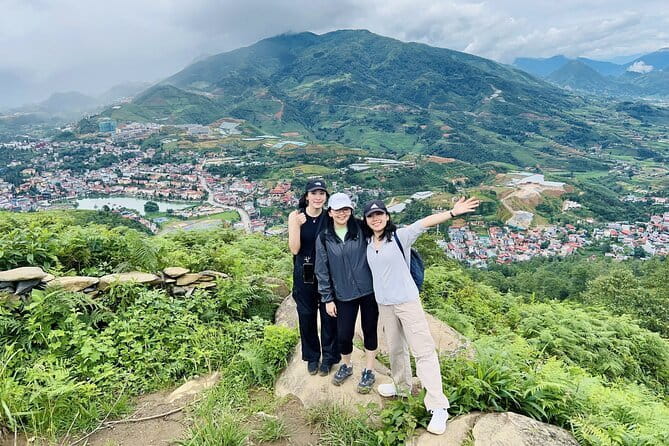
This trip works because it doesn’t treat Sapa like a theme park. Yes, you get big views over town from the start, but the schedule spends real time on how people live—through village visits and a night in a family home. That balance is the whole point here: mountains and rice terraces up front, then the culture part stays close to daily routines.
Your day begins with a pickup at your hotel, or you can meet at Sa Pa Stone Church. From there, the plan follows a classic Sapa pattern: mountain viewpoint in the morning, Hmong village stop(s) midday, then a trek that slowly pulls you toward the homestay area for day one. The next day continues with more village introductions and terraced-rice scenery before you head back.
Also, the pace is guided by short blocks of time per stop. Each listed segment has a time window, which helps you set expectations: you’re not doing all-day wandering without a rhythm. You’ll still be trekking, but it’s structured.
Day 1: Ham Rong Mountain, Hang Da, and the Trek Toward Giang Ta Chai
Ham Rong Mountain (about 3 hours)
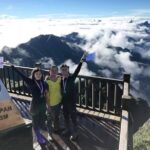
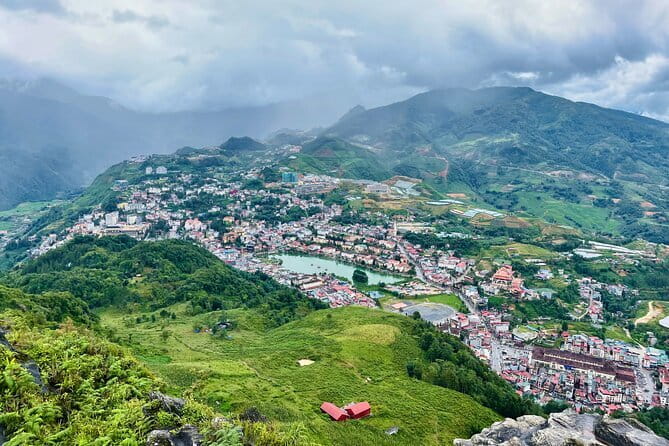
Morning starts with Ham Rong Mountain, and you’re not just dropped at a viewpoint. The stop is scheduled for about 3 hours and includes the admission ticket, which typically means you’ll have time to walk, look around, and take in the views over Sapa town. If you’re the kind of traveler who likes time to orient yourself, this is useful—you get a mental map of where the valley sits before you go deeper on foot.
Practical tip: go into this first stop ready to move. Even though it’s a “tourist mountain,” your legs will still wake up here, and it sets the tone for the day’s trekking.
Hang Da Village (about 1 hour)
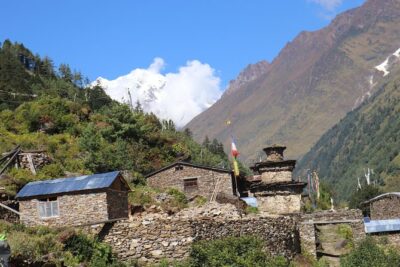
Next is Hang Da Village, known as a picturesque H’Mong village with dramatic natural rock formations. The point of this stop isn’t only scenery; it’s a quick window into a community setting where the terrain and the village layout go together. You’ll have about an hour, with entrance fees included, so it’s enough time to see the area and ask questions—without turning into a long detour.
If you’re worried about being stuck in crowds, pay attention to the guide flexibility described in the reviews (more on that later). A good guide can make even short village stops feel less rushed.
Hau Thao trek through bamboo and village paths (about 1.5 hours)
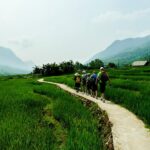
After lunch, the day shifts from stops into movement. The route continues toward Hau Chu Ngai village, with the walk described as village paths and short trails through bamboo forests. Then you descend toward Giang Ta Chai village.
This is where the “mountain trek” part becomes real. Bamboo trails can feel cooler and shaded, which is a nice break if you’re sensitive to sun. And the descent toward the homestay area also means you’ll arrive with that post-trek satisfaction—without needing a full multi-hour marathon.
Giang Ta Chai Village homestay arrival (late afternoon)
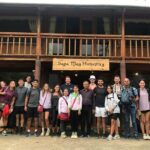
Around 3:30 to 4:00 PM, you reach the welcoming homestay of a Hmong family. The hosts greet you with warm cups of tea, and you check in, refresh, and settle in. This timing matters because it gives you daylight to take in the terraced areas around the village and to feel oriented before night.
One thing I like about this setup: the homestay isn’t an afterthought. You’re not arriving in the dark and rushing straight to sleep. You arrive early enough to connect a bit with the place.
Why the Giang Ta Chai Homestay Is the Real Prize
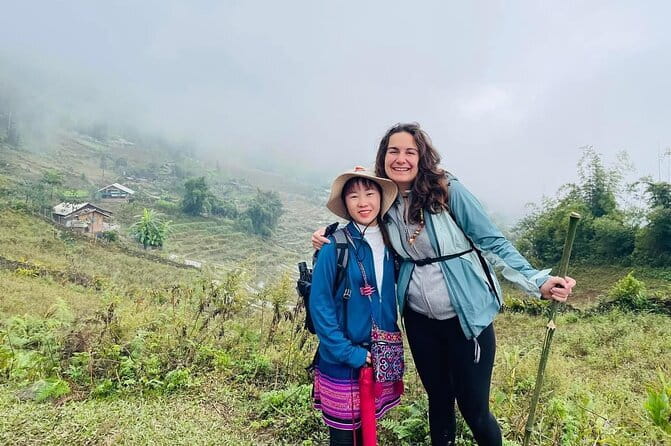
The homestay is the centerpiece of the experience, and it’s also where the tour’s “locals first” promise becomes tangible. You’re staying with a Hmong family, and the experience is designed around more than a bed for the night. You’ll eat home-style meals, spend time in a living household, and follow the daily flow that visitors usually never see.
Meals are a big part of value here. The tour includes breakfast and dinner, plus lunch twice (so you’re not paying for food along the trekking route). Water is included too, which is the kind of small detail that matters when you’re walking and don’t want to keep stopping to buy bottles.
And if you care about dietary needs, you’re covered better than many basic treks. The tour notes that it’s vegan friendly and can accommodate dietary restrictions like vegetarian and gluten-free if you request at booking.
What you should mentally prepare for: a homestay is still a family home. Expect “local comfort,” not hotel-style consistency. If you’re okay with that—and you want the authentic feel—this part is why you came to Sapa.
Day 2: Morning Coffee Views, Ta Van Culture, and Lao Chai Rice Terraces
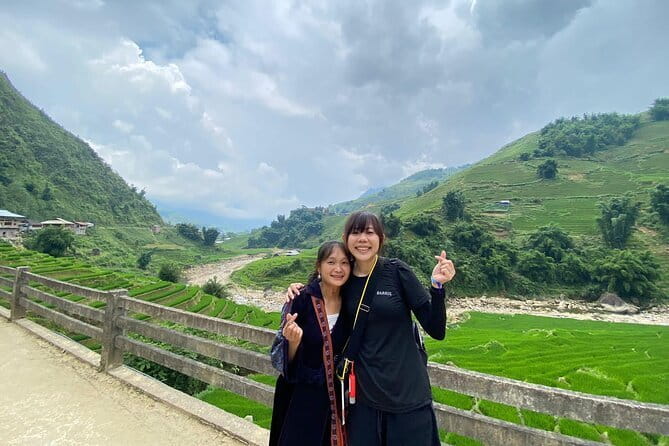
Giang Ta Chai in the morning (about 2 hours)
Day two begins with waking up in an unfamiliar setting and enjoying coffee while looking out over terraced fields. Breakfast is served at 8:00 AM, then you pack up and say farewell to your hosts.
This morning segment is short enough to keep energy up, but it’s long enough to slow down. That matters, because the emotional payoff of a homestay often lands after you’ve woken up there, not just the night before.
Ta Van Village and the bamboo forest exit (about 1 hour)
Next you head to Ta Van Village, described as emerging from a stunning bamboo forest. Ta Van is home to the Black Hmong and Giay ethnic groups, and your guide adds context about how the cultures differ.
This is a smart part of the itinerary because it connects scenery to people. You see the environment first, then you get the meaning behind it: who lives here, and how community life shapes what you’re looking at.
Lao Chai (about 2 hours)
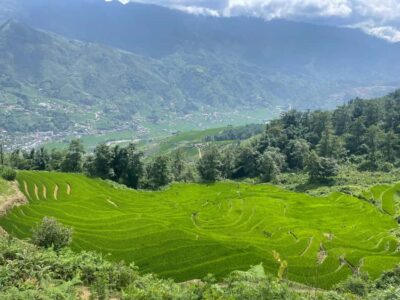
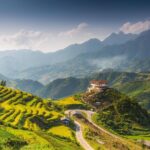
Finally, you reach Lao Chai, known for stunning terraced rice fields and a strong Black Hmong community. The stop includes time for exploring traditional houses and enjoying the area at a slower walking pace (the listed time is about 2 hours, and entrance fees are included-free for this segment).
Lao Chai is also a good place to ask questions about village routines—especially if you’ve been paying attention during the homestay. You’ll likely notice that what you learned yesterday becomes clearer when you’re walking through rice terraces today.
After that, the tour wraps back at the meeting point.
Guide Nhu Makes the Difference Between a Trek and a Story
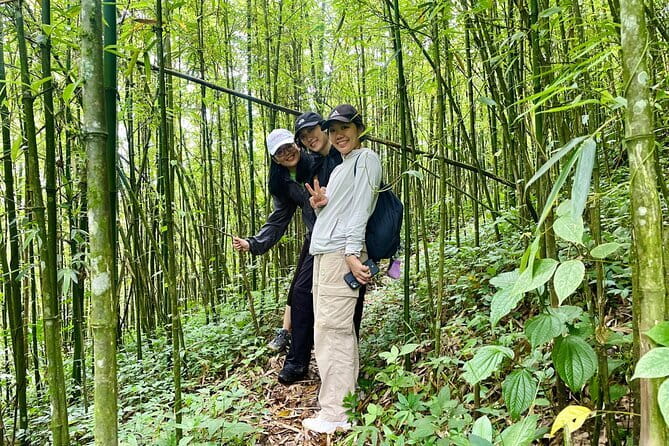
Let’s talk about why the guide matters here. In the reviews, Nhu is repeatedly highlighted for being warm and passionate about sharing local culture and traditions. The more practical part: Nhu can adapt the itinerary to help you avoid other groups of tourists and keep the day feeling calmer and more personal.
That “adjusted for your group” approach is the difference between feeling like a moving product and feeling like you’re walking with someone who knows the terrain and the social rhythm of the area. When you’re trekking between villages, the wrong pacing can make everything feel crowded and rushed.
So if you’re booking with the hope of having genuine conversations, this tour is one of the better bets—because the guide is set up to work with you, not against you.
Price and Value: What $80 Covers (and What It Doesn’t)
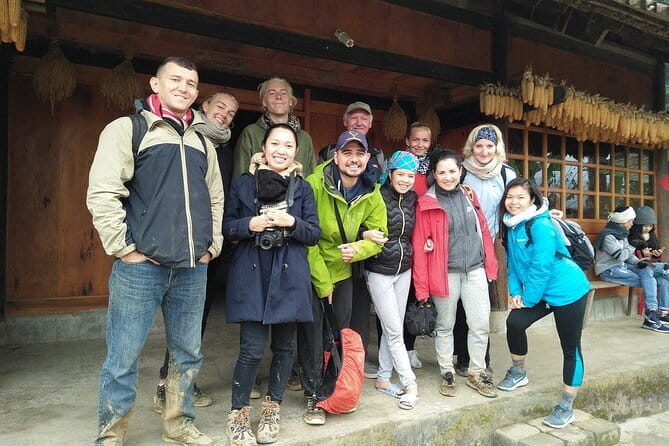
At $80 per person for about two days, the biggest value point is what’s included. You get private transportation, homestay, all entrance fees, and the core meals: breakfast, dinner, water, and lunch (2). On top of that, your time is structured across multiple village and trekking segments rather than one long bus ride with a single stop.
What’s not included is straightforward: tips, personal travel insurance, and personal expenses. If you like having a fully predictable budget, it’s worth setting aside a reasonable tip for the guide and any drivers based on your own comfort.
Also, this is listed as a private tour/activity, meaning only your group participates. That’s usually where the $80 starts to feel fair, because you’re not sharing the day with random strangers who might move at a totally different pace.
Timing, Fitness, and What to Pack for a Smooth Trek
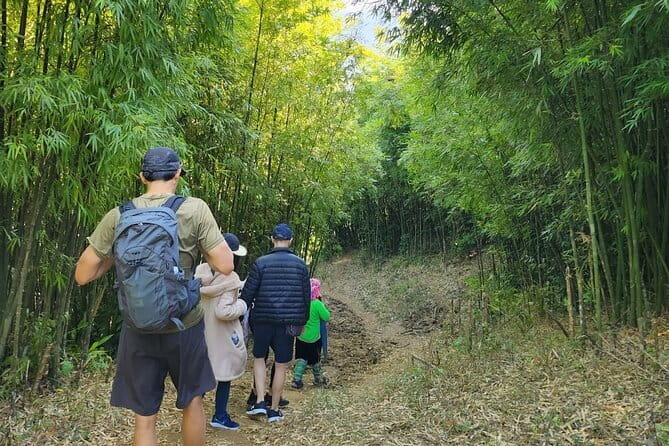
The tour recommends a moderate physical fitness level. That translates to: you should expect walking on trails and terrain that aren’t flat sidewalk-style paths. Your day is broken into timed segments, but you’ll still be on your feet for multiple hours.
Pack like a trekkers-in-Vietnam day:
- Comfortable hiking shoes with decent grip (your feet will thank you)
- A light rain layer (even if the forecast is calm, mountain weather can change quickly)
- A small daypack for water and snacks if you need them (water is included, but you might want options)
- Sun protection and a hat or cap
- A small power bank for photos
If you’re sensitive to cold evenings, plan for it during the homestay night. The tour doesn’t spell out temperatures, so I’m not going to guess—just use normal mountain travel logic.
Who This Tour Fits Best
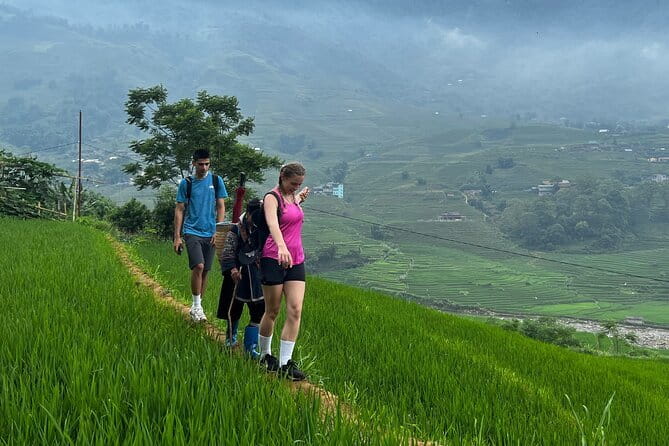
This one fits best if you want:
- a homestay experience instead of a hotel base
- rice terraces and bamboo forest walking tied to actual village stops
- a guide who works with your group and tries to avoid heavy crowds
- a tour where meals and entrance fees are handled, so you don’t spend your trek hunting for cash and tickets
It’s less ideal if you want zero hiking, or if you need a very standardized hotel routine every hour of the day.
Should You Book Sapa Mountain Escape?
Book it if you’re drawn to the combination of trekking + Hmong homestay life and you like the idea of learning as you walk. The included meals, entrance fees, and private setup make the price feel grounded, not inflated.
Skip it if your top priority is comfort over movement, or if you’re looking for a fully non-physical sightseeing day. Since this is built around trekking segments and a homestay night, you’ll get the most satisfaction when you’re ready for that rhythm.
If you do book, I’d focus on two things: tell your guide about your pace (especially if you prefer quieter moments), and mention any dietary needs upfront so they can accommodate. Then show up with comfortable shoes and a curious mindset—you’ll get a Sapa experience that feels like it belongs to the valley, not just to a checklist.
FAQ
What does the tour cost and how long is it?
The tour costs $80.00 per person and runs for 2 days (about 2 days total) with 1 night.
Where does the tour start and end?
The tour starts at Sa Pa Stone Church (P. Hàm Rồng, TT. Sa Pa, Sa Pa, Lào Cai 333100, Vietnam). It ends back at the meeting point.
What meals and drinks are included?
Breakfast is included, along with two lunches and dinner. Water is also included.
Is pickup offered?
Yes. The guide can pick you up at your hotel, or you can meet at Sapa Church.
Can the tour accommodate dietary restrictions like vegan or gluten-free?
Yes. The tour states it can accommodate vegan and other dietary restrictions such as vegetarian and gluten-free if you indicate your needs at booking.
How does cancellation work?
You can cancel for a full refund if you cancel up to 24 hours in advance of the experience start time. If you cancel less than 24 hours before, the amount paid is not refunded.