REVIEW · SAPA
Full Day Trekking in Sapa
Book on Viator →Operated by Trekking local villages and rice fields in Sapa · Bookable on Viator
Rice fields and village paths beat the bus tour. This private full-day trek from Sapa sends you toward Loa Chai and working rice fields, guided by someone who adapts the route to your group.
I love that this trek is customizable by difficulty, so you can choose an easy pace or a more challenging walk. I also like the home-cooked lunch stop mid-day, when the day’s effort gets matched with real local food.
The only big consideration is weather: the experience depends on good weather, and mist can limit mountain views.
Key things to know before you go
- A local guide plans your exact route after messaging on WhatsApp, including easier or tougher trails
- Loa Chai is the cultural anchor, with handicrafts, local food, and everyday village life
- Rice fields and farm animals are part of the trek, with buffalo and other animals along the way
- Lunch happens at a local home, not a standard tourist stop, with time to recharge
- You return via a loop so the walk feels like a full circuit around rural Sapa
In This Review
- Sapa at 8:00am: How the Day Actually Starts
- Private and customizable: The real value is control
- Loa Chai Village: culture, crafts, and everyday rhythms
- Rice fields trek: buffalo, chickens, and the farm view you came for
- Wildlife and shopping moments: fun, but keep it simple
- The lunch stop at a local home: where the day levels up
- Timing and the loop back: a full circuit without feeling rushed
- Price and logistics: why $24 can make sense here
- What to wear and bring for a better trek
- Who this trek suits best
- Should you book this full-day Sapa trek?
- FAQ
- What time does the Sapa full-day trekking tour start?
- How long is the tour?
- Is this a private tour or shared group?
- Is pickup from hotels or meeting points included?
- Can you choose the difficulty level?
- Where does the trek go during the day?
- What will I see along the way?
- Is there lunch during the tour?
- What ticketing method do I get?
- What happens if weather is poor?
Sapa at 8:00am: How the Day Actually Starts
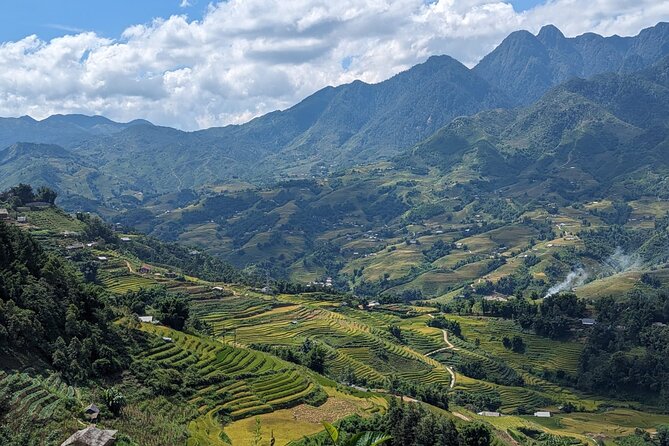
Your morning begins at 8:00am, usually with a hotel or meeting point pickup. From Sapa town, the route gradually shifts away from the busy center and into the rural villages where daily life continues the same way it always has. The timing matters here. Earlier starts tend to feel calmer, and you get more time to enjoy rice fields, small paths, and side stops without rushing every photo.
This tour runs for about 6 hours total. That’s long enough to feel like you left town, but not so long that you’re spent in the first hour. Because it’s private, you’re not trapped matching the slowest or fastest person in a mixed group. You can set a steady pace with your guide, take short breaks, and still finish strong.
One detail I appreciate: it’s designed to be flexible. You’re not locked into a single “one size fits all” route. Instead, your guide can adjust the trek level and the path choices based on what you want to see and how your group feels that day.
Private and customizable: The real value is control
The headline feature is customization, but what that means for you is practical. If your group wants a gentle walk with fewer rough sections, you can ask for an easier route. If you’d rather work for the views and challenge your legs, you can go harder. The goal is the same either way: a real taste of Sapa life in the villages and rice-growing areas around town.
In practice, this is what makes a difference:
- You get a route shaped around your comfort level, not just a fixed itinerary.
- Your guide can factor in day conditions like how the path is holding up and what’s easiest to walk that day.
- You’re more likely to spend time on the parts you care about, like rice fields, farm life, or local handicrafts.
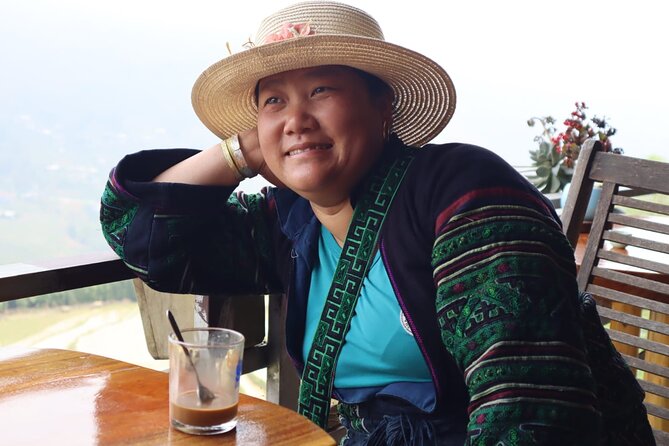
Guides here also tend to bring language skills that help the day click. In past trips, guides such as Khu and Thào Thikhu have been praised for speaking good English and using it to explain what you’re seeing, not just recite facts. That’s worth something. A trek can be scenic and still feel vague. Here, conversation helps you connect the dots—how rice is grown, what farm animals look like in daily routine, and how village life works beyond the viewpoint.
Loa Chai Village: culture, crafts, and everyday rhythms
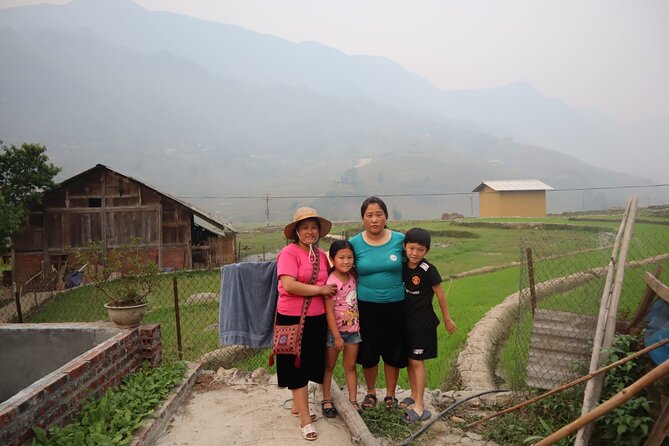
A big reason this trek is so popular is that it doesn’t treat village stops like quick photo stops. Loa Chai Village is a key part of the day, and it’s described as a place where you’ll see culture, handicrafts, and local food. If you care about how people actually earn money and pass time, this is where the day becomes more than scenery.
You’ll likely notice:
- Handicrafts and small local shops, where you can watch products being made or at least browse what’s for sale
- Village life scenes, like how homes connect with farmland and the routes people use to move around
- Food culture, including the chance to eat something prepared for the day
What I like about this approach is that it gives you room to slow down. Instead of speed-walking through one market and out, you have time to observe, ask questions, and shop only if you want. If your group likes to buy small souvenirs (not big, heavy items), this type of stop usually works well.
If your group mainly wants tough hiking and fewer “shopping moments,” you can still make that happen. Because the route is adjustable, you can ask for more time on paths and less time at stalls. Just say what you want when you message on WhatsApp.
Rice fields trek: buffalo, chickens, and the farm view you came for
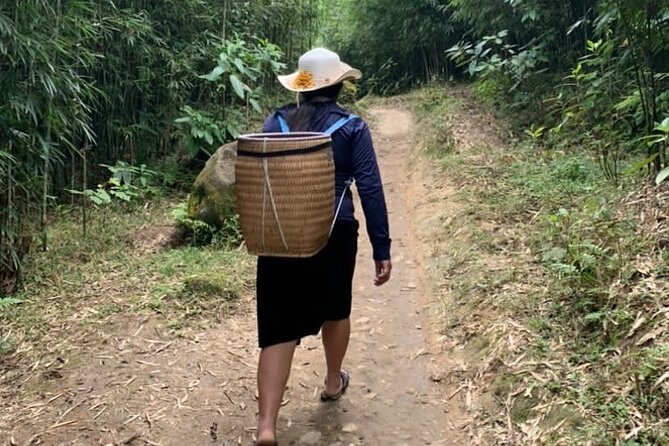
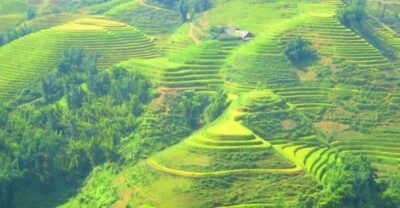
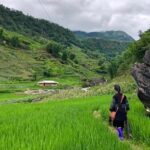
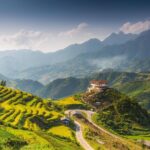
The star setting is the famous Sapa rice fields. This trek includes time trekking through them, and it’s not just about the view. You also get the everyday details that help you understand why locals care for these fields and how work happens around them.
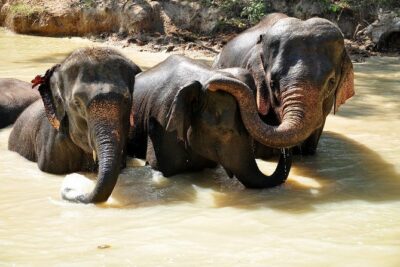
Along the way, you might see buffalo and other farm animals such as chickens, ducks, and pigs. Seeing animals close to the path changes the tone of a trek. It stops feeling like a scenic walk and becomes more like watching an active rural system.
A smart tip for your photos: shoot wide first, then close. Wide shots help you capture the shape of the terraced fields. Close shots help you remember the small stuff—water channels, farm tools you might not recognize, and the animals moving through the day.
Also, rice fields can shift how the footing feels depending on conditions. The tour is listed as suitable for most travelers, but your comfort still depends on your shoes and your willingness to walk on uneven ground. If you’re prone to slip-ups, bring shoes with decent grip and plan to take your time in muddy patches.
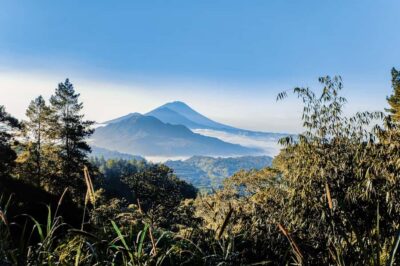
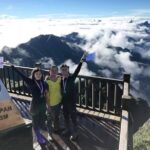
Finally, don’t expect every single minute to be postcard-perfect. Sometimes the mountains show through clouds and mist, and sometimes you get a softer view. That’s normal here. The bigger win is the walk through working farm scenery and village routines.
Wildlife and shopping moments: fun, but keep it simple
This trek includes moments where you can watch wildlife and where local handmade goods are available along the way. That’s part of the appeal, but it can also become a distraction if you’re trying to hit a fast pace.
Here’s how I’d handle it:
- Decide early whether your priority is hiking time or browsing.
- Keep purchases small and easy to carry. You’re walking for hours.
- If you want to buy something, do it during a longer village stop rather than while you’re moving.
In some versions of this kind of day, you start off on more common paths shared with other tour groups. Then your guide may choose a less-used direction to keep things calmer and more authentic. That matters because it can reduce crowd pressure and give you more room to talk with locals and look closely at what’s happening.
Even if you don’t buy anything, the wildlife and craft moments add texture. They break up the day so it feels like an experience, not just a trek from A to B.
The lunch stop at a local home: where the day levels up
Midway through the trek, you’ll stop for lunch at a friend’s house. This is one of the most praised parts of the day because it’s not staged like a restaurant performance. The idea is simple: you’ve walked, you’ve worked up an appetite, and now you eat what locals eat.
What tends to make this lunch feel special:
- It’s prepared in a home setting, so it feels personal rather than standardized
- It gives you a reset point during the 6-hour day
- You can ask questions and learn as you eat, especially when your guide speaks English well
In past experiences led by guides such as Khu, the lunch has been described as delicious and sometimes like a crowning touch after rougher sections. Even if the trek level you choose is easier, lunch still helps break up the day into two satisfying halves.
If you have dietary restrictions, the best move is to tell your guide before the trek starts. The tour’s flexibility is one of its strengths, but food still needs to match what’s available at the house you’ll visit.
Timing and the loop back: a full circuit without feeling rushed
After lunch and more walking through rural paths and rice fields, the day ends with a loop back to your hotel. That “loop” matters. Instead of retracing the exact same path, you typically get a different feel for the area around Sapa.
This is also where pacing helps. The day is about 6 hours total, so if you take frequent stops for photos, it’s easy to run out of energy. If you prefer a more active day, you can keep breaks short and save your longer pauses for the most scenic segments—usually where the terraced fields open up and where village paths pass close to farms.
The good news: you’re not solo out there with no support. Your guide helps manage the route and can steer you through rougher parts as needed. If you’re choosing a tougher difficulty level, that support is even more important. You want to finish feeling proud, not battered.
Price and logistics: why $24 can make sense here
At about $24 for a private full-day trek (with pickup offered and a mobile ticket), this is strong value if you care about one thing: spending time with a local guide who can shape the route.
Here’s the value logic:
- You’re paying for private guiding, not just entrance to a viewpoint.
- You’re getting a day that includes rural trekking, village time, and lunch.
- Customization means you’re not stuck with a generic route that may not fit your group.
Could you find cheaper group treks? Maybe, depending on season and availability. But cheaper often means you accept a fixed pace and a less tailored path. At $24, the private aspect helps justify the cost, especially if you’re a couple, a small group, or anyone who benefits from having control over route difficulty.
Also, mobile ticketing means less hassle day-of. The tour includes confirmation at booking time, which helps you plan your day in Sapa without chasing messages at the last minute.
What to wear and bring for a better trek
This is the part that makes or breaks comfort. The tour can be adjusted across difficulty levels, but the basic setting is rural paths, rice fields, and village routes.
I’d come prepared with:
- Shoes with grip for uneven ground
- A layer for cool mornings, since Sapa can feel chilly and misty
- A small day bag for water and anything you don’t want in your hands
- Any small cash you might want for handicrafts
If you’re sensitive to cold or sudden rain, bring a lightweight rain layer. Weather can also change how the path feels. When visibility is low, the day still works because the experience isn’t only about distant mountain views. You’re walking through rice fields and village life close-up.
Who this trek suits best
This tour fits especially well if you want a day that feels like it belongs to the region, not like a checklist.
It’s a great match for:
- Couples and small groups who want private pacing
- Anyone who enjoys cultural chat while walking, especially when the guide speaks solid English
- Travelers who want rice fields and farm animals, plus time for handicrafts and a real lunch
- Visitors who prefer choosing difficulty rather than guessing if a “standard trek” will work
It may be less ideal if:
- You want a strictly scenic walk with minimal village stops and no browsing at local goods
- You get uncomfortable with uneven trails and don’t like changing pace on foot
Should you book this full-day Sapa trek?
If you’re choosing between generic “see rice fields” tours and something more personal, I’d lean toward booking this. The core reason is simple: it’s built to match your group’s energy level, and it uses a local guide’s knowledge to shape the day instead of forcing you into a one-route script.
Book it when you:
- Want rice fields plus real village life
- Appreciate a lunch stop at a local home
- Like learning from your guide while you walk, whether that means history, culture, or how rice farming works
Skip it or choose another plan if you:
- Have strict plans for view-hunting only, since weather can affect visibility
- Need a very predictable, flat walking route with zero uneven ground
Finally, do yourself a favor and message your guide on WhatsApp before you go. The tour is described as highly customizable, so the more you tell them about your group and how you want the day to feel, the better the trek should match what you’re hoping for.
FAQ
What time does the Sapa full-day trekking tour start?
The start time is 8:00am.
How long is the tour?
The duration is about 6 hours.
Is this a private tour or shared group?
This is a private tour/activity, so only your group participates.
Is pickup from hotels or meeting points included?
Pickup is offered, and the tour begins after your pickup from your hotel or meeting point.
Can you choose the difficulty level?
Yes. The trek is infinitely customizable, and your guide can plan routes for different levels, from very easy to very hard.
Where does the trek go during the day?
You’ll travel from Sapa town into rural villages, including Loa Chai, and you’ll trek through the famous Sapa rice fields.
What will I see along the way?
You may see rice fields and wildlife such as buffalo, chickens, ducks, and pigs, plus local handmade goods in villages.
Is there lunch during the tour?
Yes. There is a lunch stop halfway through the day at the guide’s friend’s house.
What ticketing method do I get?
You’ll receive a mobile ticket. Confirmation is also received at time of booking.
What happens if weather is poor?
This experience requires good weather. If it’s canceled due to poor weather, you’ll be offered a different date or a full refund.