REVIEW · LANGTANG VALLEY
Kathmandu: 7 Day Langtang Valley Trek
Book on GetYourGuide →Operated by Worldwide Tourism Inc · Bookable on GetYourGuide
Langtang brings the mountains close to your lungs. This seven-day Kathmandu-to-Langtang Valley trek puts you in the Langtang National Park world fast, with Kyanjin Gompa as your altitude checkpoint and Tamang and Sherpa hospitality shaping the days on trail.
What I like most is the mix of big-sky Himalayan drama and human-scale village stops, especially once you reach Langtang Village and then push up to the monastery at Kyanjin Gompa. The second win is that you’re not solo-ing navigation: you trek with an experienced, licensed guide who keeps the route sensible and the day-by-day plan clear.
The main drawback is straightforward: you’ll climb hundreds of steps and you’ll want solid fitness for steep days. If you have mobility issues, back problems, or you’re pregnant, this one is not a good match.
In This Review
- Key things to know before you trek Langtang
- First Stop: Kathmandu to Syabrubesi and the Ride That Sets the Tone
- Day 2 to Day 3: Forest Trails, River Crossings, and the Feel of the Langtang Region
- Day 4: Langtang Village to Kyanjin Gompa and the Gradual Reveal of the High Peaks
- Day 5: Acclimatization at Kyanjin Gompa (This Is the Smart Part)
- Day 6 and Day 7: The Descent Back to Lama Hotel and the Return to Kathmandu
- Pace and Fitness: What 7 Days in Langtang Really Demands
- Guide and Private Group: When Having Someone in Your Corner Matters
- Teahouses, Meals, and the Budget Reality
- Permits and What You’re Actually Paying For
- Price and Logistics: Ask These Questions Before You Go
- Packing and Rules: Small Stuff That Prevents Big Stress
- Who Should Book This Langtang Valley Trek?
- Should you book this Kathmandu to Langtang Valley trek?
- FAQ
- What is the duration of the Kathmandu: 7 Day Langtang Valley Trek?
- Where does the trek start and end?
- How high will I trek during this route?
- Is there an acclimatization day?
- What permits are included?
- Are meals included in the price?
- What kind of accommodation is included during the trek?
- Do I need to hire a porter?
- What language is the guide?
- Are drones allowed?
- Additional practical reminder
Key things to know before you trek Langtang
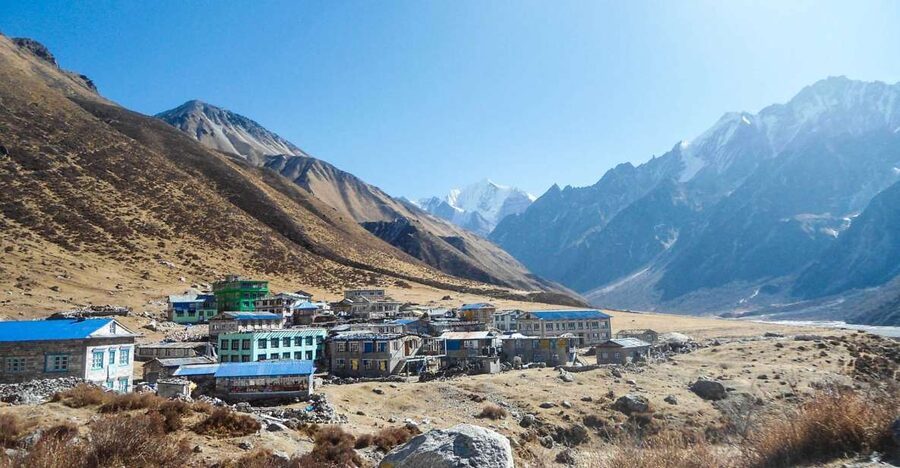
Kyanjin Gompa isn’t a transfer day; it’s your acclimatization day.
Teahouse lodges handle nights on the trail, so packing is simpler.
You need Langtang National Park permits and a TIMS card for this trek.
Short hike options from Kyanjin Gompa include Kyanjin Ri and Tserko Ri.
The trek is private with an English-speaking guide, so the pace can fit you.
First Stop: Kathmandu to Syabrubesi and the Ride That Sets the Tone
You start in Kathmandu, then drive out toward Syabrubesi, around 1,550m. It’s a scenic journey through villages and changing terrain, and it helps your body shift from city rhythm to mountain rhythm before you lace up your boots.
Once you arrive in Syabrubesi, you rest for the night. This is more than a formality. Langtang trekking often feels mentally heavy the first day, because you’re switching from Nepal traffic logic to trail logic. A real rest night helps you show up on day two with focus.
Value tip: use this evening to sort your layers and dry out socks. The Langtang region can stay chilly even when the sun looks friendly.
Day 2 to Day 3: Forest Trails, River Crossings, and the Feel of the Langtang Region
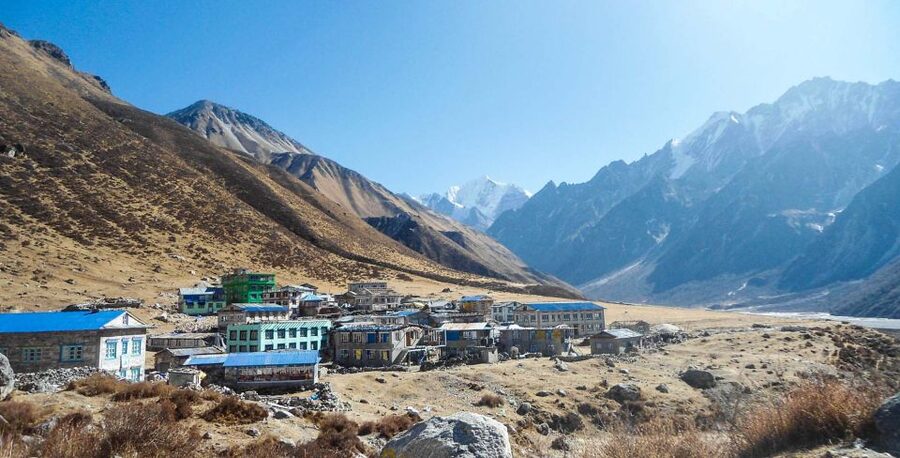
On day two you hike from Syabrubesi to Lama Hotel (about 2,380m). The route follows lush forests, includes suspension bridge crossings, and tracks the Langtang River’s energy as the valley opens into a trekking corridor.
Lama Hotel is a classic teahouse-style stop. You sleep at a lodge, eat what’s available locally, and recharge for the climb ahead. The big thing here is that you’re building rhythm: steady uphill, mindful breathing, and constant attention to footing on uneven trail.
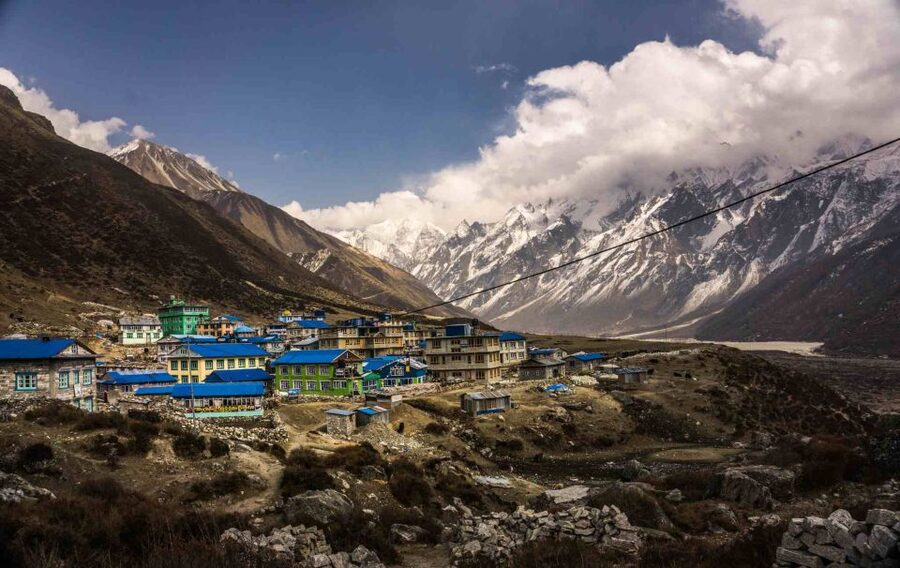
Day three goes from Lama Hotel to Langtang Village (about 3,430m). This is where the forest character shifts, with rhododendron and oak forests turning the trail into a pattern of shade, light, and altitude gain. You’ll also get more mountain presence in your sightline as you get closer to the higher part of the valley.
Culturally, this is one of the more rewarding days. The route is steep enough to keep you working, but not so technical that you feel cut off from the world around you. You’ll pass through areas closely tied to Tamang community life, and that human context is what makes Langtang feel real instead of just scenic.
Consideration: this kind of walking also means lots of stairs and step-ups on the path. Even if you’re a confident walker, pace yourself early.
Day 4: Langtang Village to Kyanjin Gompa and the Gradual Reveal of the High Peaks
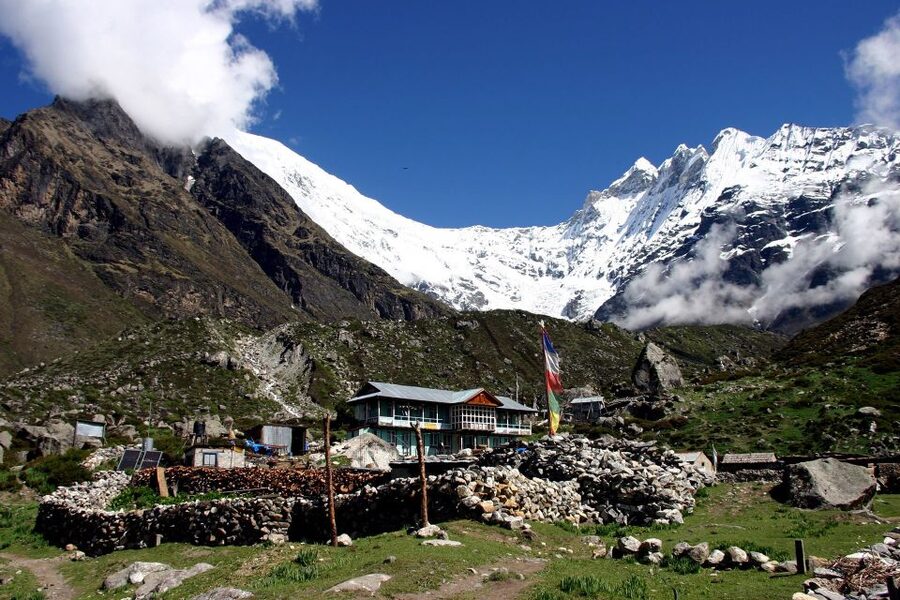
Day four takes you from Langtang Village to Kyanjin Gompa (around 3,870m). The day’s vibe changes as you push beyond the denser forest. Expect yak pastures, glacial streams, and a wider view as the valley funnels you toward the monastery area.
Kyanjin Gompa is where the trek starts feeling like a destination, not just a route. The ancient Buddhist monastery gives you a strong sense of place, and the views of Langtang Lirung and other peaks make the altitude feel earned. This is the part people remember because it’s both spiritual and physical—breath matters, quiet matters, and the sky looks closer.
Also, don’t rush inside the monastery zone or the viewpoints. Your body is still adjusting, and you’ll enjoy it more if you move slowly, sip water, and take a moment before deciding on a hike or snack.
Day 5: Acclimatization at Kyanjin Gompa (This Is the Smart Part)
Kyanjin Gompa is scheduled as your acclimatization day. That’s huge, because altitude creeps up faster than you expect. Instead of pushing higher, you use the day to adapt and reduce your risk of getting wiped out later.
You can take short hikes from here, including routes toward Kyanjin Ri or Tserko Ri for mountain views. If you’d rather keep it easier, you can explore the local cheese factory. Either choice helps you stay active without turning the day into a suffer-fest.
How I’d use this day if you want the best experience:
- Go up a bit, then return before you feel overly tired.
- Keep your pace gentle.
- If you feel off, prioritize rest over ambition.
This day is also where the guide’s role becomes more valuable than you might expect. You’re trekking in a remote high valley; having someone who can read the trail conditions and your pace makes the plan feel calmer.
Day 6 and Day 7: The Descent Back to Lama Hotel and the Return to Kathmandu
Day six goes from Kyanjin Gompa back to Lama Hotel. Going down is still work, and it can be harder on your knees than you expect. Your focus shifts from “how high can I go?” to “how stable can I be?” Loose stones, steep step-downs, and tired legs turn the descent into a real training day.
You finish at Lama Hotel and spend a peaceful evening there. This is a good moment to slow down, wash up as best you can, and pack carefully for the final morning.
Day seven takes you from Lama Hotel back to Syabrubesi, then you drive to Kathmandu. This is the final transition: from trekking rhythm back to city logistics. The mountain air still follows you for a while, even once you’re surrounded by vehicles again.
Pace and Fitness: What 7 Days in Langtang Really Demands
This trek is listed as challenging, and your body will feel that. You’ll gain altitude over multiple days and you’ll climb hundreds of steps along the way. One review specifically points to a tough but doable workload: around 1,200 meters of ascent per day on roughly 15 km and about 8 hours of uphill trekking daily for much of the route.
That’s not a guarantee for everyone, but it’s a useful reality check. You don’t need to be a mountaineer. You do need steady endurance, good walking technique, and the ability to keep a consistent pace when your legs get tired.
Simple self-check: if you can do long uphill hikes at home with manageable knee strain and you’re comfortable on stairs, you’re closer to the right target.
Guide and Private Group: When Having Someone in Your Corner Matters
This trek runs as a private group with a live English-speaking guide, plus a licensed, experienced trekking guide included. The practical advantage is obvious: your pace and comfort level can be handled without getting stuck behind slower trekkers or pushed by faster ones.
One standout theme from experience feedback is how smoothly a strong guide can handle the week: route decisions, timing, and basically keeping the trek from turning into logistics homework. You’ll still do the hard part—walking—but the coordination is lifted off your shoulders.
Porter service is also available as an option to carry your main backpack. If your pack load is heavy, a porter can help you keep your energy for the trail. If you prefer to travel light, you can skip it, but you’ll need to carry your comfort items and essentials yourself.
Teahouses, Meals, and the Budget Reality
You stay in teahouse lodges during the trek. That usually means basic rooms, shared dining areas, and meals you can buy on-site. Meals are not included in the price, and the cost is given as approximately Npr 2,500 per person per day.
You’ll also buy snacks and drinks along the way. Tea is typically easy to find, but the exact menu varies by lodge. Plan to spend extra for water, hot drinks, and whatever feels good at that altitude.
Practical advice: budget your daily food spend, then pack light snacks for the moments when your appetite is low but your body still needs fuel.
Permits and What You’re Actually Paying For
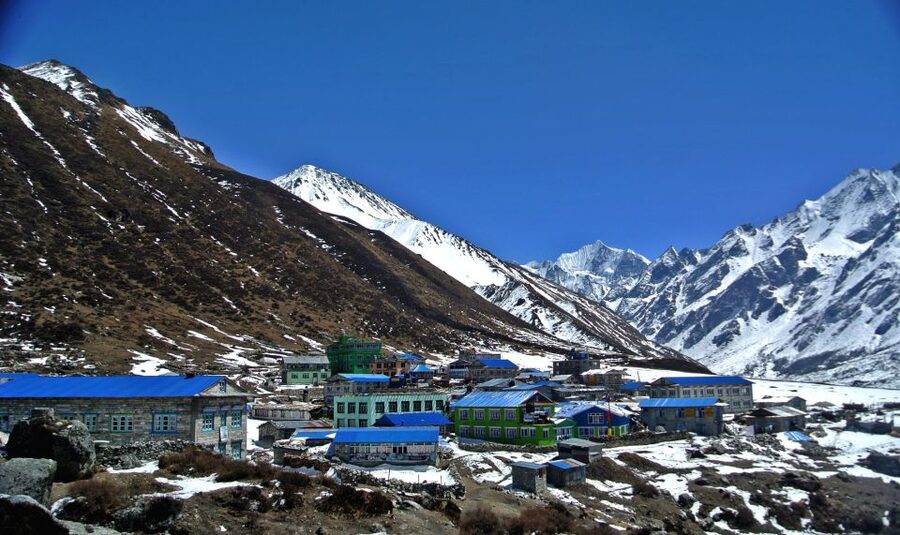
The price is $450 per person for the 7-day trek. That’s not just a “walk with a view” fee. What you’re paying for includes hotel pickup and drop-off, transportation from Kathmandu to the trek starting point and back, trekking permits (Langtang National Park plus TIMS), teahouse accommodations, and the guide.
You also get hotel accommodation in Kathmandu for usually one or two nights before and after the trek, plus a basic first aid kit. There’s also an option for porter service.
So the value equation is: if you want someone to handle the permits, route flow, and the daily “what now?” moments, you’re paying for that comfort and safety net. If you’re confident doing it independently and you already know how to arrange permits and logistics, you might feel the cost is higher than necessary. But for many people, the included support is exactly what makes Langtang feel doable.
Price and Logistics: Ask These Questions Before You Go
No plan is perfect, and organization quality can vary. One negative experience reported an itinerary change: the trek was shortened by a day due to timing and flight constraints, and that decision affected what the group experienced. There was also a complaint about lodging standards—stops that were described as less clean or less comfortable than expected—and a note that the guide support wasn’t what they wanted.
That doesn’t mean your trek will go that way. It does mean you should protect yourself with a few smart questions before you commit:
- Who sets the schedule if flights are tight, and how will changes affect day length?
- What’s the standard for teahouse rooms and cleanliness, and are alternatives available if conditions are poor?
- How does the guide handle pacing so you’re not pressured to rush on descent days?
If you’re traveling in a private group, you have more leverage to discuss pace and comfort upfront.
Also note the “know before you go” item: you will climb hundreds of steps. That’s not window dressing. Build time into your expectations so the stairs don’t feel like a surprise plot twist.
Packing and Rules: Small Stuff That Prevents Big Stress
Bring a passport-sized photo and a passport or ID card (a copy is accepted). Oversize luggage is not allowed, and drones are not allowed.
If you’re carrying a lot, rethink it. On a multi-day trek, extra weight turns into fatigue, and fatigue turns into slower pacing and more pressure. Pack for layers, rain protection, and warm walking insulation.
Also, think about stair management. Trek boots with good grip matter. Trek poles can help a lot on step-downs and rocky parts, even if the route is not described as technical.
Who Should Book This Langtang Valley Trek?
This works best if you want a classic Langtang Valley itinerary with time at Kyanjin Gompa, a guided plan, and teahouse nights. It’s a good fit for walkers who can handle uphill days and want mountain views that arrive gradually, not in a single photo moment.
It is not suitable for pregnant women, people with mobility impairments, wheelchair users, or people with back problems. If any of these apply, you’ll probably feel miserable—and your safety matters more than checking a box.
Should you book this Kathmandu to Langtang Valley trek?
If you’re ready for a serious walking week, I think this tour can be a strong value because it covers permits, guidance, and the hard-to-manage parts of high-altitude logistics. The best reason to choose it is the acclimatization day at Kyanjin Gompa, plus the guided support that helps you keep pace and energy.
If you have flight timing that’s tight, ask how schedule changes are handled. If lodging quality is a top priority for you, confirm expectations for teahouses before you pay. And if stairs and steep walking would be a strain, look for a different trek.
FAQ
What is the duration of the Kathmandu: 7 Day Langtang Valley Trek?
It’s listed as a 7-day trek, with starting times depending on availability.
Where does the trek start and end?
You drive from Kathmandu to the trek starting point at Syabrubesi, and you return to Kathmandu at the end after trekking back to Syabrubesi.
How high will I trek during this route?
The itinerary includes Syabrubesi (around 1,550m), Lama Hotel (around 2,380m), Langtang Village (around 3,430m), and Kyanjin Gompa (around 3,870m).
Is there an acclimatization day?
Yes. Day 5 is an acclimatization day at Kyanjin Gompa.
What permits are included?
The trek includes permits for Langtang National Park and a TIMS card.
Are meals included in the price?
No. Meals are available to purchase on-site, approximately Npr 2,500 per person per day.
What kind of accommodation is included during the trek?
You stay in teahouse lodges during the trek.
Do I need to hire a porter?
Porter service is optional. You can hire a porter to carry your main backpack.
What language is the guide?
The live tour guide is English.
Are drones allowed?
No. Drones are not allowed.
Additional practical reminder
You’ll want to plan for hundreds of steps, bring the required ID documents and photo, and keep luggage within the allowed size rules. If you do that, the week is set up to focus on the trekking and the big Langtang views you’re working toward.