REVIEW · SENARU
trekking mount rinjani summit join in group tour
Book on GetYourGuide →Operated by lombok trekking info · Bookable on GetYourGuide
You trade comfort for crater views. This join-in-group Mount Rinjani trek from Sembalun (West Nusa Tenggara) takes you to the crater rim at 2,639m, then pushes to the summit at 3,726m for sunrise, with a classic chance to watch Lake Segara Anak turn from dark to glowing inside the volcano.
I like how the trek is set up as a simple out-and-back on the same starting/ending trail, which keeps logistics low-stress. I also really appreciate the English-speaking guide and professional porters, who handle the cooking gear and camping setup so you can focus on your own steps—plus the crew style is friendly in the way guides like Reno, Nas, Surya, and Jourdi are known for, with lots of encouragement during the hard parts.
Do consider the effort level. The hike is tough, the altitude climbs fast, and the summit attempt starts after a 3am wake-up. Nights on the rim can be cold, and camp comfort is basic, so go in expecting mountain trekking, not a lodge.
In This Review
- Key Things That Make This Rinjani Group Trek Worth It
- Sembalun (1,156m) Start: Savanna Views and a Real Mountaintop Feel
- Day 1 Climb to 2,639m: Your Stops Are Built for Breathing Room
- Crater Rim Camp at 2,639m: Sunset, Lake Segara Anak, and Cold Reality
- The Summit Push: 3am Wake-Up for 3,726m Sunrise
- Guides and Porters: English Help and the Pace You Can Trust
- Food, Water, and Camp Comfort: Expect Practical, Not Plush
- Price and Extra Costs: The $141 Value Depends on Park Fees
- What to Bring: The Essentials Tour Operators Rarely Solve for You
- Difficulty and Who Should Join This Trek (And Who Should Skip It)
- Should You Book This 2D1N Sembalun-to-Rinjani Summit Trip?
- FAQ
- How long is the Mount Rinjani summit trek?
- Where does the trek start and end?
- What time does the summit day start?
- Are meals and water included?
- What camping and trekking gear is included?
- What costs are not included in the price?
- Is the tour suitable for children or older hikers?
Key Things That Make This Rinjani Group Trek Worth It
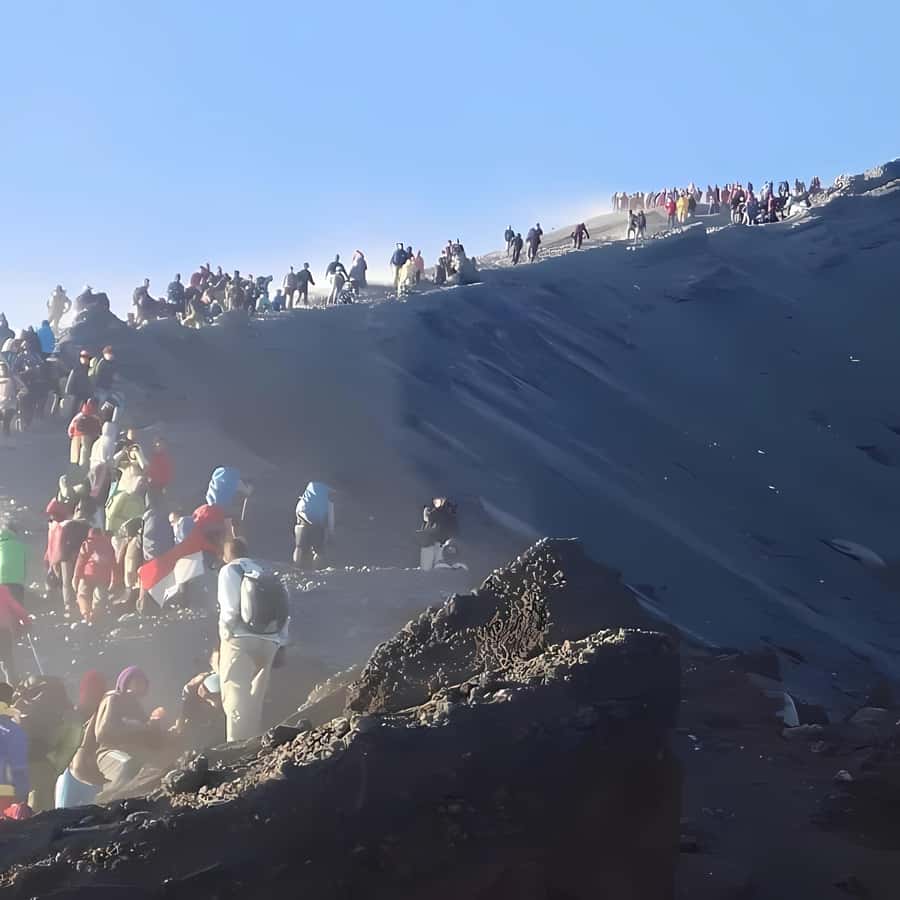
- Savanna-to-crater route: You start in open grasslands, then gain steep height as you move toward the rim
- Lake Segara Anak sunset: The crater rim camp is timed for jaw-dropping volcano views at day’s end
- Sunrise at 3,726m: A predawn start gets you to the summit for the best light
- Porters do the heavy logistics: Cooking gear and camping equipment stay off your back
- You eat well for a trek: Meals plus a stated 3 litre mineral water per day/person help you keep going
Sembalun (1,156m) Start: Savanna Views and a Real Mountaintop Feel
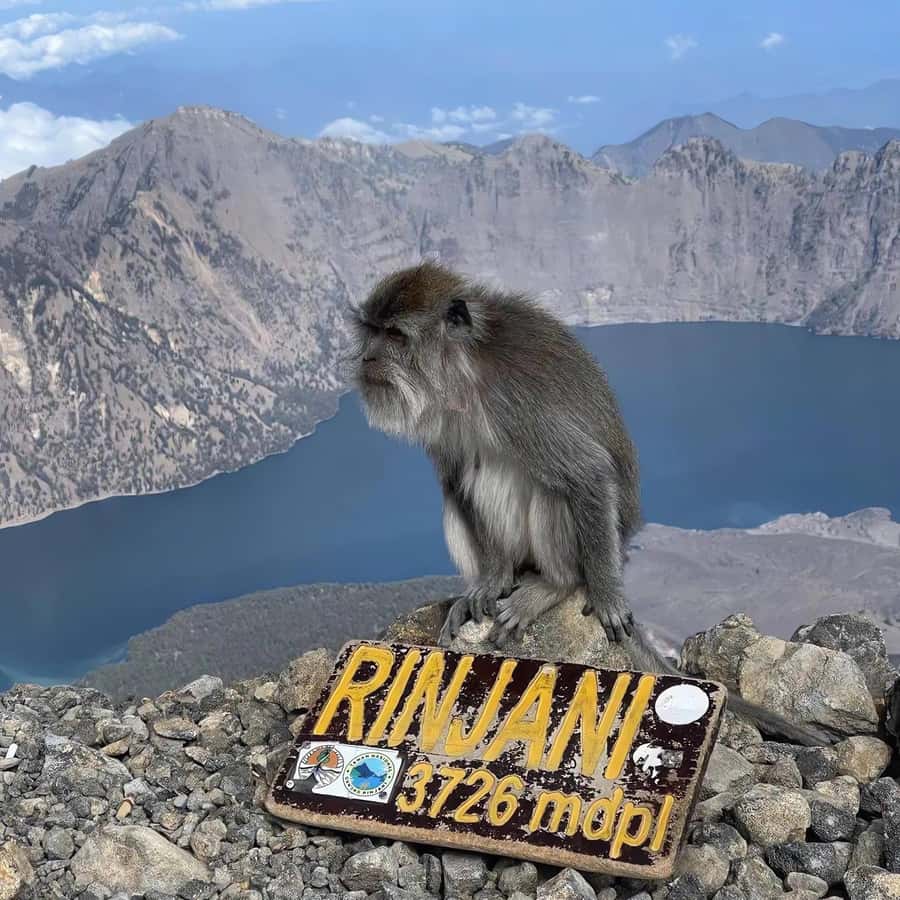
This trek begins in Sembalun at about 1,156m, but you’ll usually start your morning by getting yourself to the Sembalun area first (hotel pickup is included in Senaru or Sembalun, then travel to the trailhead by 4WD). Before you start walking, you register at the Rinjani Information Centre in Sembalun. It’s a simple step, but it also helps you understand you’re entering a managed trekking zone rather than freelancing a climb.
What I like about starting here is the feel of the early walk. The trail kicks off through undulating open grasslands—not a technical scramble, just steady climbing over big mountain space. If you’ve ever climbed hills that were swallowed by trees, you’ll feel the difference fast here. The sky stays open, the air feels sharper as you go higher, and the early views help you settle into the trek rhythm.
There’s also a practical benefit: because this is a join-in group, you’re not doing the pre-hike navigation and decision-making by yourself. You follow a set route, stop where the crew expects to stop, and you can spend your mental energy on pacing.
You can also read our reviews of more tours and experiences in Senaru.
Day 1 Climb to 2,639m: Your Stops Are Built for Breathing Room
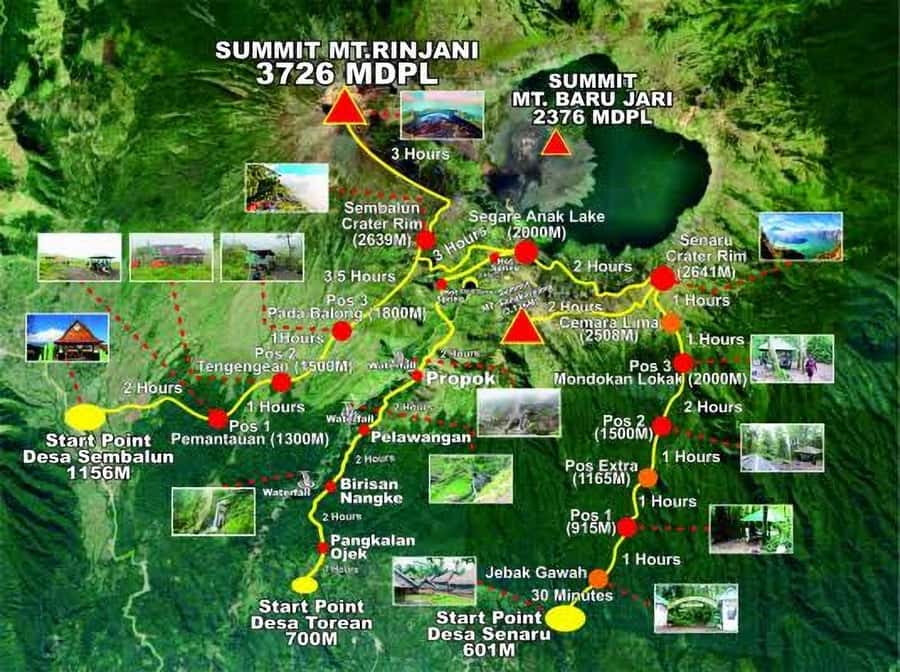
Day 1 is structured around a handful of pos (position) stops, which matters more than it sounds. The climb is not just one long grind; it’s broken into sections so you can reset, snack, and hydrate before the tougher rising begins.
- Early on, you make rest breaks at Pos 1 and Pos 2, with snacks along the way.
- At Pos 3 (around 1,800m) you take a longer lunch break, which helps you refill before the steeper push toward the rim.
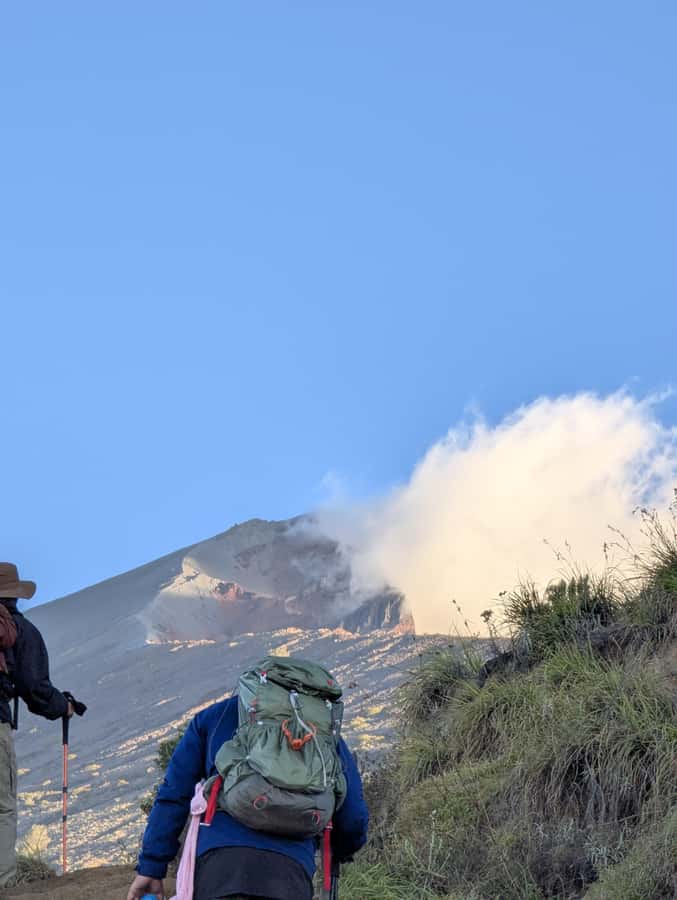
After lunch, the trail turns more demanding as you climb up to the crater rim. This is where most people feel the “oh, this is really happening” moment—the air gets thinner and your legs start working harder.
You’ll camp the first night at Sembalun Crater Rim (2,639m). This is a big part of why the trek works as a 2 days / 1 night experience: instead of racing to sleep somewhere random, you sleep where the views are the point.
Crater Rim Camp at 2,639m: Sunset, Lake Segara Anak, and Cold Reality
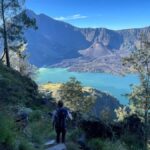
The best part of the rim night is simple: the timing. You reach camp with enough daylight left to enjoy sunset views over the volcano interior. Lake Segara Anak sits inside the crater, and from the rim you get dramatic sightlines toward the summit area of Rinjani and views out toward Northern Lombok.
It’s also when you’ll feel how quickly weather can change at elevation. Even if you’re fine during the day, the evening can chill fast. Camp gear is provided—tents, sleeping bags, and a mattress—but there are no “extras” like chairs or tables listed. One practical takeaway: pack for cold, and plan to be comfortable sitting on whatever base is available.
Food helps a lot here. You’re provided food during the trek, and the camp setup includes cooking support from porters. This matters because you don’t want to be thinking about meals when your body is already stressed by altitude and hiking.
The Summit Push: 3am Wake-Up for 3,726m Sunrise
Day 2 starts early—wake-up is at 3am for a light breakfast—then you begin a challenging climb that takes about three hours to reach the summit at 3,726m. Arriving in time for sunrise is the point of the early start. On Rinjani, dawn light can make the whole crater system feel different: fewer clouds, sharper contrast, and a calmer visual mood as the volcano wakes up.
This is also the section where you’ll want your pacing to be disciplined. Even when you feel strong at the start, the climb is steep enough that going too fast early can ruin your stamina for the final push.
After the summit, you head back down to the crater rim campsite. You’ll get a hot breakfast there, plus a rest period before continuing back toward Sembalun. The schedule is designed so you’re not descending into darkness; you aim to reach Sembalun in the early afternoon.
Guides and Porters: English Help and the Pace You Can Trust
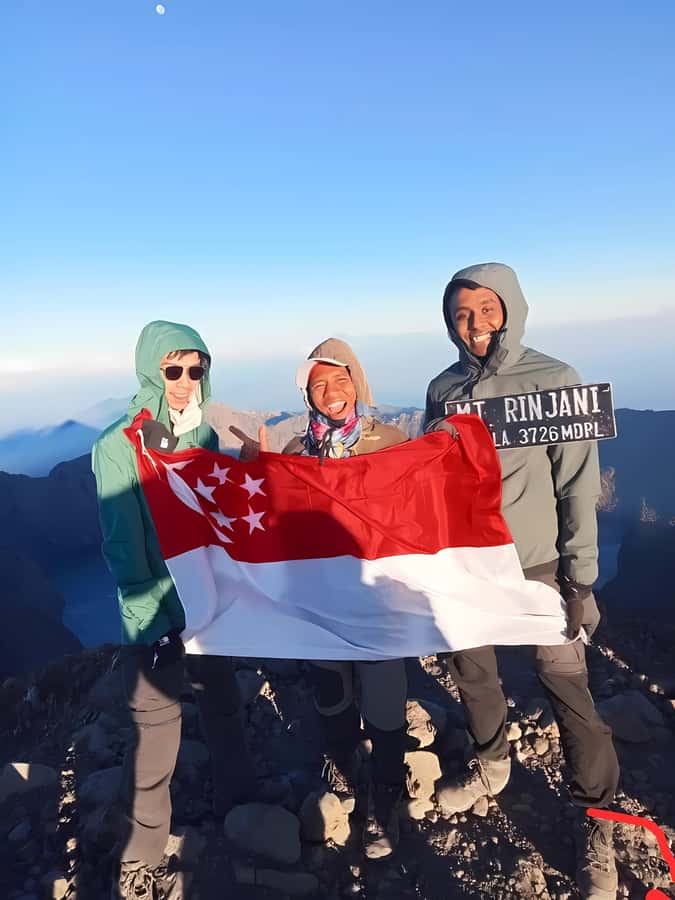
This is a join-in group trek with a small group option, guided in English. Having an experienced guide matters because altitude hikes aren’t only about distance—they’re about rhythm. The guide helps manage breaks, keeps the group moving, and gives reassurance when the climb feels steep or you’re running low on energy.
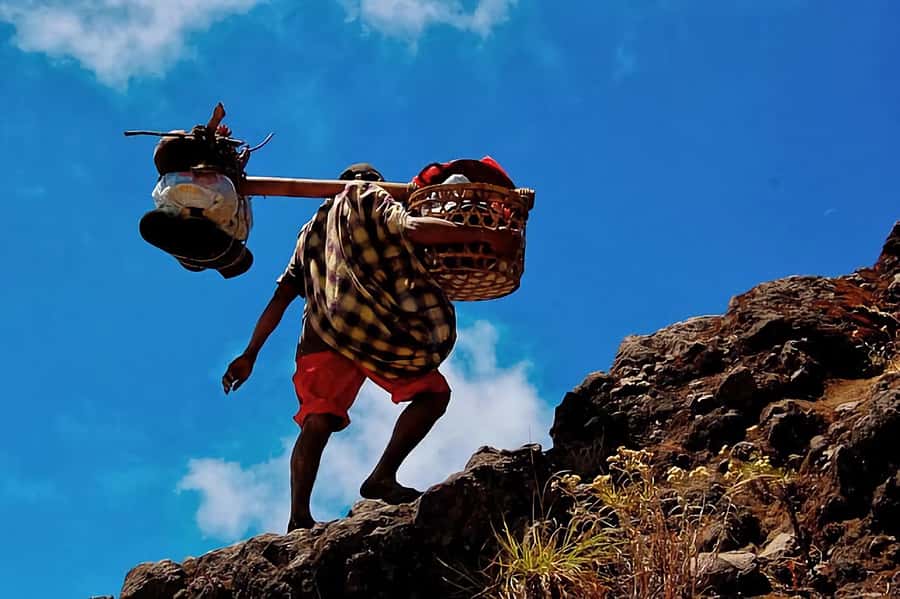
I also like the porter setup. Porters carry the cooking gear and camping equipment, which keeps your backpack lighter than it would be if you were fully self-supported. In the stories from recent groups, guides such as Reno, Nas, Surya, and Jourdi are described as friendly and attentive, and that fits the reality of this trek: you need encouragement and practical check-ins.
One note for your expectations: this is a functional trekking operation, not a luxury expedition. If you rely on perfect comfort, you’ll feel it at camp more than on the trail.
Food, Water, and Camp Comfort: Expect Practical, Not Plush
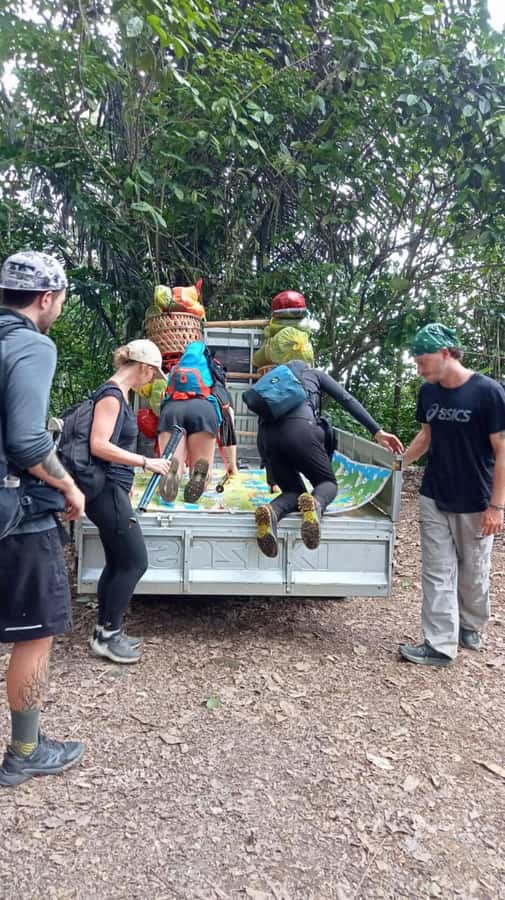
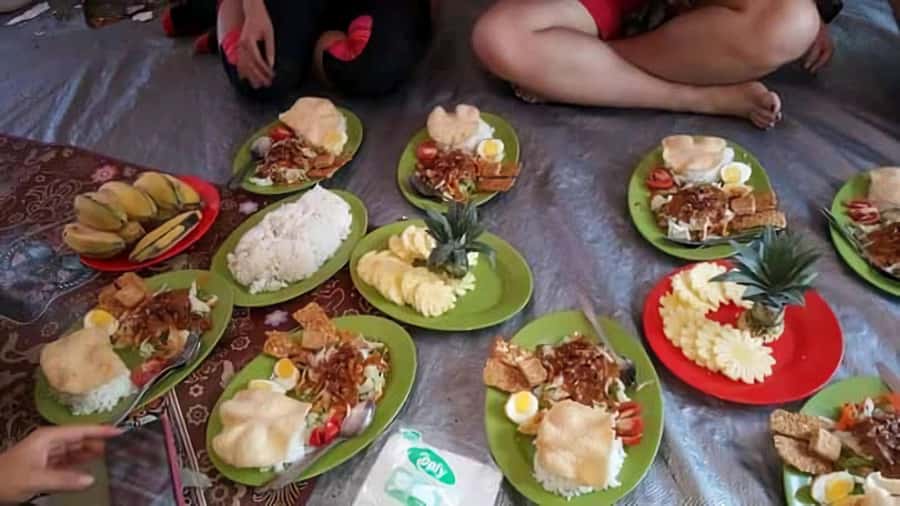
The trek includes food and drinking water. A stated amount is 3 litre mineral water per day/person, and meals are cooked during the trek with the porter team. For a two-day climb at increasing altitude, this is a real value add. You’re not forced to ration snacks or hunt for drinks mid-route.
Sleeping arrangements include a tent, sleeping bags, and mattresses. There’s also a toilet tent and paper. That covers the essentials, which is what you want on a mountain where daylight is precious.
Here’s what might surprise you: camp seating details are basic. Some groups report they didn’t get camping chairs or tables and instead sat on a thin mat. That isn’t unusual on trekking camps, but it is worth planning around. Bring layers, and if you hate sitting on the ground for long periods, consider whether a small personal item to improve comfort is worth it for you.
Also, check trekking pole expectations. Even though trekking poles are listed as included, one group reported receiving only one stick. If trekking poles are important to your knees or balance, it’s smart to confirm how they’re distributed.
Price and Extra Costs: The $141 Value Depends on Park Fees
The listed price is $141 per person for a 2-day trek (check availability to see starting times). For an experience that includes hotel pickup in Senaru or Sembalun, an English guide, porters, trekking food, tents and sleeping gear, and water, that can be good value—especially if you don’t want to rent gear or figure out logistics.
But budget carefully because there’s an extra cost you should plan for: the national park entrance fee is Idr. 200,000 per day per person, and it’s not included. Since the trek lasts two days, your total could be more than just the listed base price. Add that to your mental math.
Also keep in mind what’s not included: transfers after the trek, a pre-trek night in Senaru or Sembalun, headlamp/hand torch, a small daily pack, trekking shoes and long pants, and an extra porter for your personal luggage.
One small potential upside from real-world operations: if you’re continuing your Lombok trip right after the trek, you may be able to arrange help with luggage drop-off or handling by the operator/driver. Don’t assume it’s automatic, but it’s the kind of practical service that has happened for others.
What to Bring: The Essentials Tour Operators Rarely Solve for You
Even though some trekking gear is included, you still need to bring the items that keep you safe and warm. The essentials listed include:
- Passport
- Sunglasses, hat, camera
- Hiking shoes
- Flip-flops
- Flashlight (headlamp is not included, so bring light you can use hands-free)
- Hiking pants
A few practical thoughts based on the conditions this trek creates:
- Bring layers. Your body is warm while climbing, but the rim night can be cold.
- Wear real hiking shoes. The trek is steep and long, and trekking shoes are not included.
- Headlamp matters. Because you start very early on day 2, having a reliable light is more comfortable than a phone flashlight.
Also, the tour lists gloves and trekking poles as included. Still, if you get cold easily at altitude, it never hurts to bring your own warm backup layer, just in case.
Difficulty and Who Should Join This Trek (And Who Should Skip It)
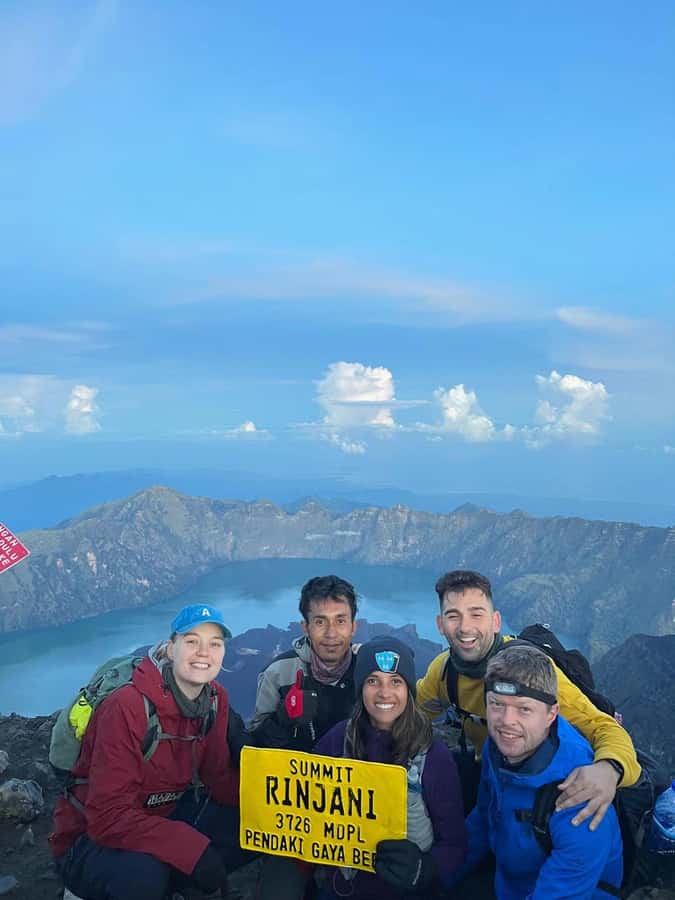
This is not an easy hike. The day 2 summit attempt includes a demanding climb to 3,726m, preceded by a 3am wake-up. The combination of steep sections, altitude, and early darkness means you need to be comfortable hiking for hours with a strong pace.
The tour is not suitable for:
- children under 16
- people over 70
If you’re in that age range, you should look for an easier Rinjani day trek or a different hiking plan.
Who it fits best:
- You want a guided summit attempt without doing the logistics alone
- You’re okay with basic camping and cold night conditions
- You enjoy sunrise moments enough to sacrifice sleep and start in the dark
Should You Book This 2D1N Sembalun-to-Rinjani Summit Trip?
If you want one compact Mount Rinjani experience that hits the big visual payoff—crater rim sunset, Lake Segara Anak views, and sunrise from the summit area—this join-in group trek makes sense. The included porters, cooking, tents, and water reduce the stress of planning, and the English-speaking guide helps you stay oriented.
Book it if:
- you can handle strenuous hiking and early starts
- you’re fine with basic camp setup
- you budget for the Idr. 200,000 per day entrance fee in addition to the base price
Skip or rethink it if:
- you hate cold nights and basic camping
- you’re not confident with altitude effort
- you need lots of comfort and seating at camp
A final decision tip: if you’re the kind of person who prepares properly (layers, headlamp, hiking shoes), you’ll feel much more in control on the steep sections. And that control is half the fun.
FAQ
How long is the Mount Rinjani summit trek?
The trek runs for 2 days and 1 night. It’s timed so you hike to the crater rim on the first day, camp there, then start early on the second day for the summit and sunrise.
Where does the trek start and end?
This trek starts and ends in Sembalun village, using the Sembalun route for both the climb and the descent.
What time does the summit day start?
On the summit day, you wake up at around 3am for a light breakfast, then you begin the climb to the summit.
Are meals and water included?
Yes. Food is provided during the trek, and drinking water is included at 3 litre mineral water per person per day.
What camping and trekking gear is included?
Included items are a tent, toilet tent and paper, sleeping bags, a mattress, gloves, and trekking poles.
What costs are not included in the price?
Not included are national park entrance fees (Idr. 200,000 per day per person), headlamp/hand torch, trekking shoes and long pants, a small daily pack, transfers after the trek, a pre-trek night in Senaru or Sembalun, and an extra porter for your luggage.
Is the tour suitable for children or older hikers?
It is not suitable for children under 16 years old and not suitable for people over 70 years old.