REVIEW · SAPA
Sapa Hard Trekking villages 2D/1N: Homestay, Meals, English speaking guide
Book on Viator →Operated by Vietnam Tonkin Travel · Bookable on Viator
Two days, one rice-terrace world. This Sapa 2D/1N hard trekking tour mixes village walks, big terrace views, and a real homestay night. You also get an English-speaking guide, hotel pickup, and meals so you’re not doing math all day.
I like the practical setup: hotel pickup and drop-off, plus a tight village route from Ta Van through Y Linh Ho and Lao Chai, then on to Giang Ta Chai. The guide part matters, too—names you may see include A Lu and May Trang, and they’re described as strong in English and good at explaining everyday life in the hill-tribe communities.
One consideration: the trek is weather-dependent, and you should expect a formal dress code even on village days. If you hate being away from comfort for hours at a time, this may feel like a big step up.
In This Review
- Key things that make this Sapa trekking stand out
- A Sapa Hard Trek That Runs on Time, Food, and Village Life
- Day 1 From Ta Van Down Through Y Linh Ho and Lao Chai to a Giay Homestay
- Day 2 Bamboo Forest to Silk Waterfall, Then Giang Ta Chai and the Return to Sapa
- Homestay Reality: What Comfort Looks Like in a Local House
- Price and Logistics: Why $70 Can Feel Like Fair Value
- Comfort, Gear, and That Formal Dress Code
- Who This Sapa Trek Best Suits (and Who Might Want an Easier Option)
- Small Practical Tips That Make the Whole Trip Easier
- Should You Book This Sapa Hard Trekking Villages 2D/1N Tour?
- FAQ
- What’s included in the price for this 2D/1N Sapa trekking tour?
- Do I get hotel pickup in Sapa?
- Where is the meeting point?
- What time does the tour start?
- Is there an English-speaking guide?
- What kind of room will I have in the homestay?
- What’s the trek route on Day 1?
- What’s the trek route on Day 2?
- Is there a Tet holiday surcharge?
- FAQ
- Do I need to dress formally?
- What’s the cancellation policy?
Key things that make this Sapa trekking stand out
- English-speaking local guide support on both trekking days
- Homestay dinner and cooking time with a Giay family
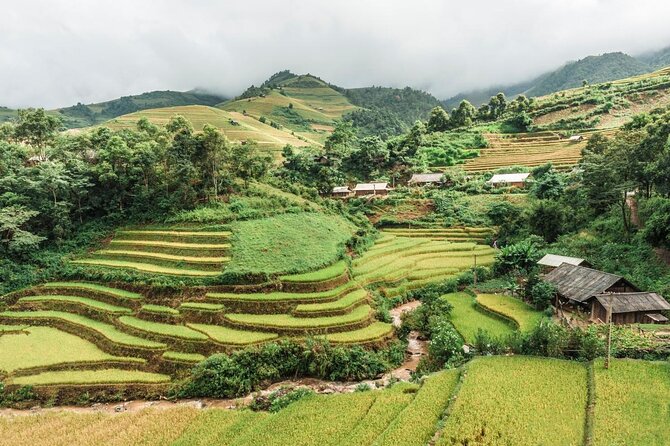
- Old terrace views near Y Linh Ho, plus classic Sapa village scenery
- Bamboo forest and silk waterfall trek section on Day 2
- Meals built in (breakfast, lunch x2, dinner) so you can budget easily
A Sapa Hard Trek That Runs on Time, Food, and Village Life
If you’ve been to Sapa before, you know the town can feel fast and a bit touristy. This tour is the opposite. It’s a focused route through working villages where the day rhythm is tied to terraces, animals, and family meals.
The smart part is how much is included. For $70 per person, you’re getting pickup and drop-off, an English-speaking guide, meals, and a homestay night with a sharing-bathroom setup. That matters in Sapa, where food, local guides, and transport can add up fast if you plan everything separately.
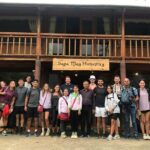
I also like the group size limit. With a maximum of 15 travelers, it’s easier to move, take photos, and actually hear the guide when you’re walking. Big groups can turn village visits into a shuffle. This one is built to avoid that.
Day 1 From Ta Van Down Through Y Linh Ho and Lao Chai to a Giay Homestay
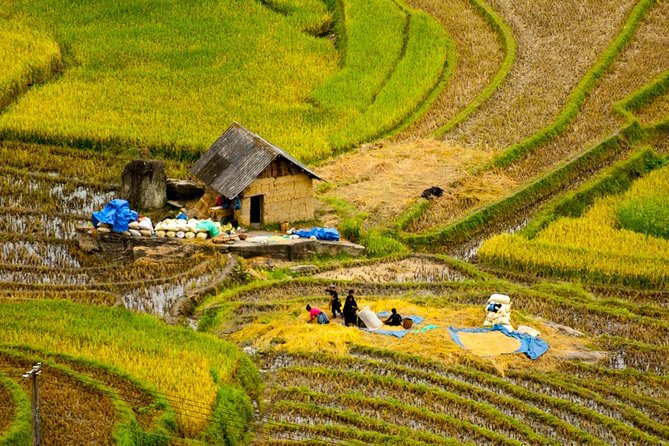
Day 1 starts with hotel pickup in Sapa town around noon. Then you’ll transfer toward the tour’s office base at Golden Villa Hotel, where you’ll have lunch before stepping into the trek.
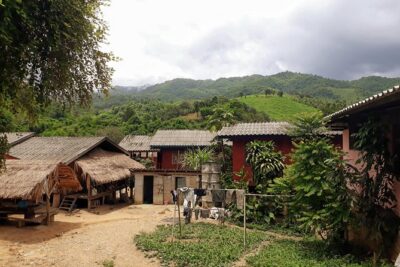
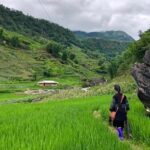
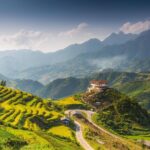
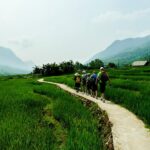
At 2:30 PM, you begin walking down toward Y Linh Ho, home to the Hmong minority. This is one of the stops where you’ll want your camera ready. You’re moving through terrace scenery often described as around a hundred years old, and it’s the kind of place where the patterns in the fields make sense only when you’re there at walking height, not from a roadside viewpoint.
From Y Linh Ho, you continue on to Lao Chai, visiting a Hmong home area. The tour gives you a short break there. This is when I think the route works best for first-time trekkers: you get a moment to reset, drink something, and look out over the ridges before you keep walking again.
After that break, you head toward Ta Van, where you’ll be welcomed by a local Giay family. The homestay experience is the heart of Day 1. You’ll stay overnight in a local house setting, and the day ends with dinner and time spent with the family, including cooking.
Practical note: this is not a hotel-style dinner where you sit, eat, and leave. You’ll be part of the pace of the household for the evening. If you’re curious and polite, it’s one of the most rewarding parts of the trip.
Day 1 is listed as about 8 hours, and it feels like it. There’s enough walking to make the scenery earned, but the breaks keep it from turning into nonstop effort.
Day 2 Bamboo Forest to Silk Waterfall, Then Giang Ta Chai and the Return to Sapa
Day 2 starts early, the way village mornings do. You might wake to sounds from nearby animals—roosters or pigs—then step into breakfast with pancakes and hot tea or hot coffee outside. The view is part of the meal here, since you’re up before the day warms everything up.
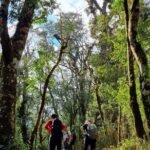
Once breakfast is done, you say goodbye to the family and begin trekking again. The route moves through a bamboo forest and includes a stop area connected with a silk waterfall before reaching Giang Ta Chai village.
This part of the Day 2 walk is often where the trail feels different from Day 1. Day 1 is mostly terraces and village paths. Day 2 adds more greenery and a natural-feeling corridor—bamboo and water. Even if you don’t know every plant name, the change in scenery helps you keep your energy up.
After a few hours of trekking, you’ll stop for a picnic lunch with scenic views. Then you walk back to the main road and take a car or mini-van back to Sapa, around 2:00 PM.
Back in town, you’ll have time for a shower. At 3:00 PM, a shuttle brings you to the bus office so you can check in for your onward trip back to Hanoi. The tour also sets you up with sandwiches to take away before you leave.
Day 2 is also listed as about 8 hours, but the pacing feels smoother because you’re not packing a full evening homestay program. It’s walk, eat, trek, return, then transition back to travel mode.
Homestay Reality: What Comfort Looks Like in a Local House
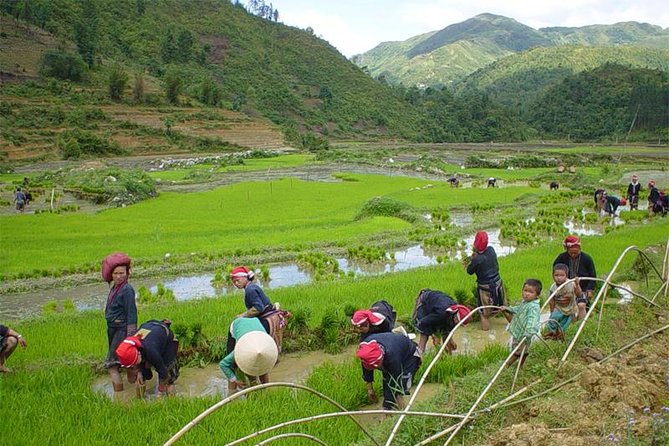
Let’s talk about the homestay part plainly, because it’s where expectations can clash with reality.
You’re staying in a local house/homestay. The setup is listed as a private room or shared room with a sharing bathroom. That means you should expect basic facilities, not hotel plumbing and not hotel towels on demand.
The good news: meals and family time are built into the experience. Dinner includes cooking and eating with your Giay hosts. Breakfast is outdoors, with hot drinks and pancakes. Even if your comfort level is lower than you’re used to, these meals are usually what people remember most.
If you’re the kind of person who worries about etiquette, don’t. Just keep it simple: be respectful, be on time when the group is moving, and listen to the guide for what’s appropriate. A local guide can also help translate the moments you might otherwise miss.
Price and Logistics: Why $70 Can Feel Like Fair Value
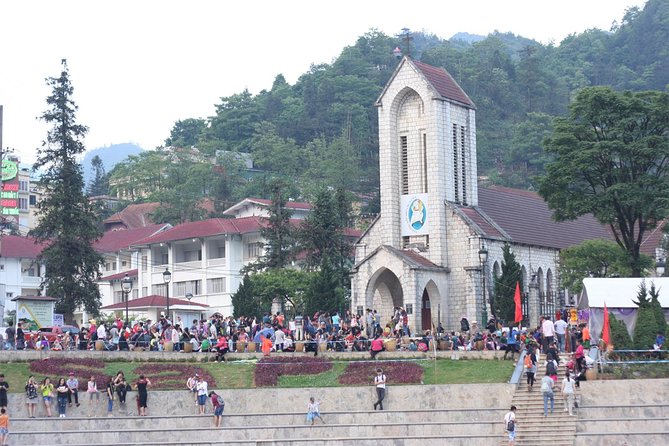
At $70 per person for 2 days / 1 night, the value comes from what’s included, not from the trekking alone.
Here’s what you’re covering with the price:
- Hotel pickup and drop-off in Sapa
- An English-speaking local guide
- All activities listed on the route
- Meals: breakfast, dinner, and two lunches
- Local house/homestay overnight with a sharing-bathroom setup
- Admission tickets for included parts of the program
What’s not included: drinks, and alcoholic drinks are available to purchase. Also, there’s a Tet holiday surcharge of $35 per person during the Tet dates listed (Feb 14–23, with the year shown as part of the holiday period in the provided schedule).
I like this pricing structure because you’re not stuck buying food every stop and negotiating transport mid-trek. You can pack a small buffer for water or snacks and focus on the walk.
One more practical point: this tour uses a mobile ticket, and you’ll receive confirmation at booking time. That’s the kind of detail that makes the day-of experience less stressful.
Comfort, Gear, and That Formal Dress Code
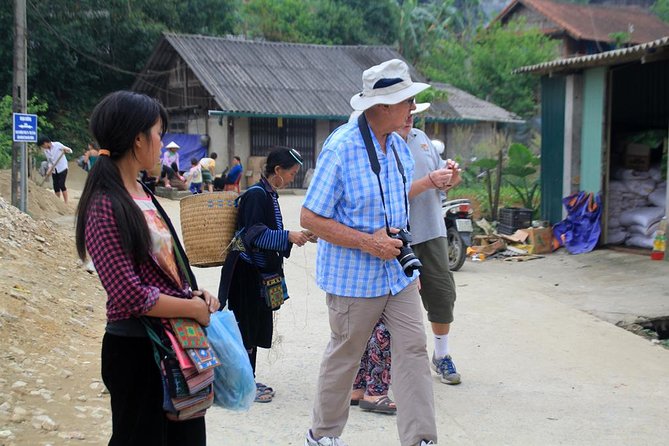
The big oddity here is the formal dress code. It’s not “village wear only,” but it does mean you should plan how you’ll look presentable while also being comfortable enough to trek.
I’d treat it like this: pack practical layers and choose clothing that can pass as “formal enough” while still letting you walk steadily. Avoid brand-new shoes that will break in for the first time on Day 1. Also expect that you’ll get close to the ground and trails can be slippery depending on weather.
A few gear priorities:
- Comfortable walking shoes with grip
- A light layer for mornings and changing weather
- A small day bag for water and essentials
- Camera or phone with enough storage (terrace photo chances are real on this route)
Because the tour requires good weather, you should also be ready for the possibility of changes or alternate dates. If conditions are poor, the tour can be offered a different date or a full refund, depending on the situation.
Who This Sapa Trek Best Suits (and Who Might Want an Easier Option)
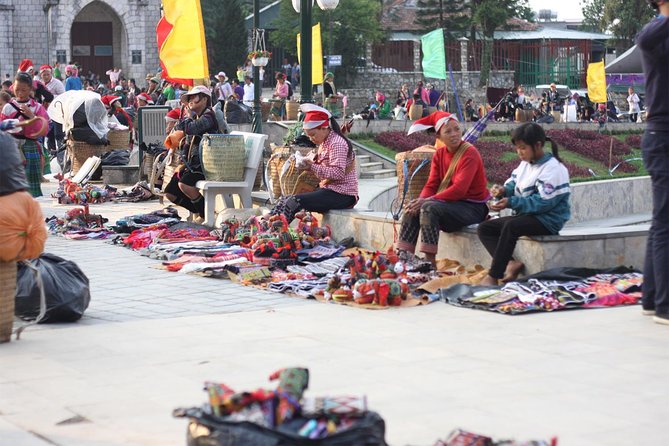
This tour fits well if you want:
- A structured Sapa trekking route with an English-speaking guide
- Village time that goes past quick photo stops
- A homestay night that includes real family meals
- A group size small enough to feel personal (up to 15 people)
It may feel like too much if you:
- Don’t handle long walking hours well (it’s about 8 hours each day)
- Strongly dislike basic homestay standards (sharing bathroom setup)
- Need fully flexible planning on the spot, since the schedule is time-based and weather-dependent
If you’re traveling solo, it can still work because the guide and group keep things organized. If you’re with friends, it can also be a great shared experience because you’ll naturally talk during breaks and meal transitions.
Small Practical Tips That Make the Whole Trip Easier
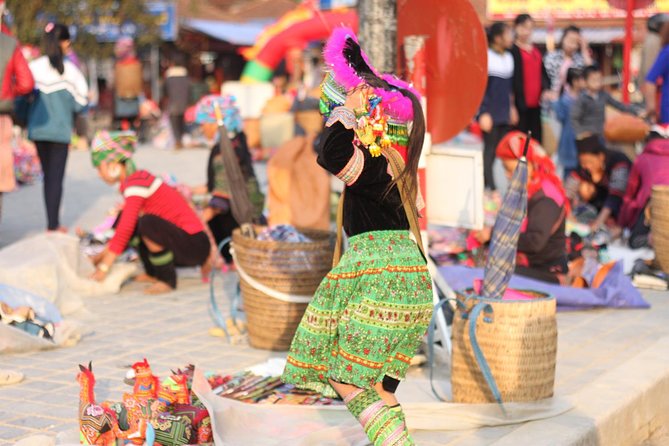
These are the tweaks I’d recommend before you go, based on how this tour is built.
First, plan your day around the start time. Pickup is around noon, but you don’t begin trekking until later. Don’t book anything urgent for midday in Sapa town.
Second, respect the rhythm of the homestay. Breakfast and dinner times are part of the experience. If you want to step out for a quick photo at sunrise, do it quietly and ask the guide when it’s a good moment.
Third, bring cash or a payment method for drinks you want during breaks. Drinks aren’t included, and alcohol is available to purchase.
Finally, if your guide is A Lu or May Trang (or another English speaker), lean into their explanations. One of the best parts of this kind of trekking is understanding what you’re seeing—how people use the terraces, how villages are arranged, and what daily life looks like outside town.
Should You Book This Sapa Hard Trekking Villages 2D/1N Tour?
I’d book it if you want a clear, good-value path into Sapa’s village life. The combination of English-speaking guidance, included meals, and a genuine homestay night is what makes it work. You’re not just “doing hikes.” You’re learning how these communities live, eat, and move through the day.
Skip it if you’re mainly after town comforts, or if you’re sensitive about basic bathroom setups and early mornings. Also be sure you can handle the trekking hours and dress code expectations.
If you match the vibe—curious, okay with walking, and open to a family-based evening—this is a strong choice for a first serious Sapa trek.
FAQ
What’s included in the price for this 2D/1N Sapa trekking tour?
Breakfast and dinner are included, along with two lunches. The tour price also includes the local guide, all listed activities, hotel pickup and drop-off, and a homestay overnight with a sharing bathroom.
Do I get hotel pickup in Sapa?
Yes. Pickup is offered from hotels in the Sapa town centre around noon time, and the tour also includes drop-off back to the meeting point in Sapa.
Where is the meeting point?
The start point is Golden Villa Hotel, 075 Đ. Thạch Sơn, TT. Sa Pa, Sa Pa, Lào Cai 330000, Vietnam.
What time does the tour start?
Start time is listed as 1:00 pm, with hotel pickup in Sapa town centre around noon as part of the Day 1 schedule.
Is there an English-speaking guide?
Yes. The tour is described as having an English speaking guide, and guides mentioned include A Lu and May Trang.
What kind of room will I have in the homestay?
You’ll stay in a local house/homestay. The accommodation is listed as a private room or sharing room, with a sharing bathroom.
What’s the trek route on Day 1?
Day 1 includes walks from Ta Van to Y Linh Ho, then to Lao Chai, and onward to Ta Van for the homestay night. Lunch is at the hotel before the trek begins.
What’s the trek route on Day 2?
Day 2 includes breakfast, then trekking through a bamboo forest and a silk waterfall area to Giang Ta Chai village. You’ll have a picnic lunch and return to Sapa afterward.
Is there a Tet holiday surcharge?
Yes. A surcharge of $35 per person applies on Tet holiday dates listed as Feb 14–23 (with the year shown as part of the holiday period in the schedule provided).
FAQ
Do I need to dress formally?
Yes. The tour lists a formal dress code, even though you’ll be walking in villages and fields.
What’s the cancellation policy?
Free cancellation is available up to 24 hours in advance for a full refund. If you cancel less than 24 hours before the start time, the amount paid is not refunded.