REVIEW · PUERTO PRINCESA
From Puerto Princesa: Trek to Batak Tribe Village
Book on GetYourGuide →Operated by Corazon Travel & Tours · Bookable on GetYourGuide
One of Palawan’s quietest encounters can be a hike away. This Batak tribe village trek turns a half-day outing into a hands-on look at daily life among one of the Philippines’ smallest indigenous groups.
I really like how the experience combines physical effort with context—travel out to the Batak Visitor Center, then walk onward into the surrounding hills to meet people in their real routine. The day also feels well guided, with clear explanations of customs and how the tribe lives.
I also love the practical touch of the token gift. You’ll present a small package that includes staples like coffee, rice, sugar, and other basic needs—simple, not performative. It’s the kind of gesture that helps the visit feel grounded and respectful.
One thing to consider: it’s not a comfort hike, and expectations matter. The walk includes mountain trails and river crossings, and some cultural elements you might hope to see (like staged rituals) may not be part of your day.
In This Review
- Key Things to Know Before You Go
- Puerto Princesa to Batak Country: The Setup That Matters
- The Batak Visitor Center: Context, Goods, and a Gentle Start
- The Trek: Mountain Trails, River Crossings, and Real Time
- The river part
- Arriving at the Batak Village: The Real Encounter Piece
- A note on expectations and photos
- Guides and Interpretation: Why the Explanations Matter
- Lunch Option: What “Optional” Means for Timing
- Price and Value: $216 for Up to 4, and What You’re Actually Buying
- Who Should Book This Batak Trek (And Who Should Skip It)
- Practical Packing Tips That Keep the Day Comfortable
- Should You Book the Puerto Princesa to Batak Trek?
- FAQ
- How long is the Puerto Princesa to Batak Tribe trek?
- How far do we travel from Puerto Princesa?
- How long is the hike to the Batak village?
- Is lunch included?
- What is the token gift given to the tribe?
- What languages are the guides?
- What is included in the tour price?
- What should I bring?
- Is luggage allowed?
- Who should avoid this tour?
Key Things to Know Before You Go
- Private group pacing: you’re not stuck with a huge crowd rhythm, which makes a difference on a trail with variable conditions
- Visitor Center first: you get context, then you trek—rather than showing up cold to the village
- River crossings are real: bring clothes you don’t mind getting a bit of water splash on during crossings
- A “token gift” is part of the flow: the coffee, rice, sugar, and basic needs piece is built into the visit
- English and Tagalog guiding: explanations are provided in English and Tagalog
- Not everyone wants this hike: it’s not recommended if you have mobility limits or serious medical conditions
Puerto Princesa to Batak Country: The Setup That Matters
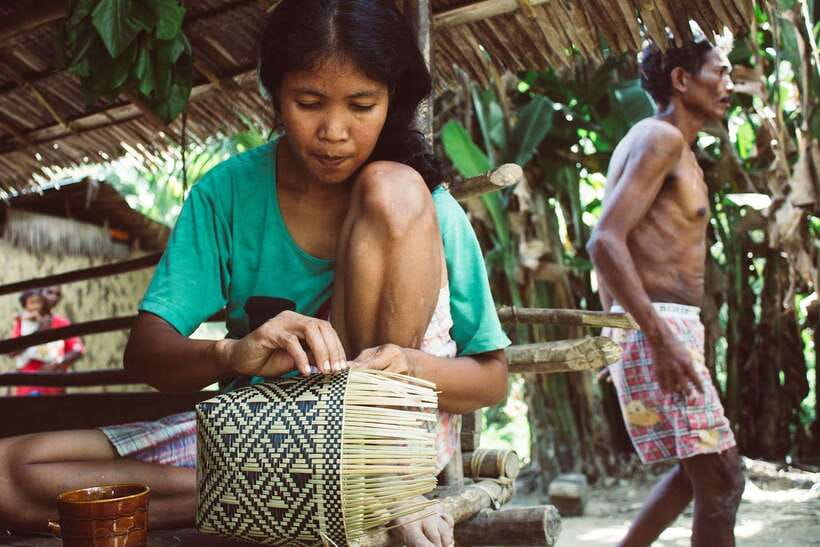
This tour starts the way good countryside trips should: pick-up in the morning, then straight into the quieter edges of Palawan. You’ll ride an air-conditioned van out of Puerto Princesa for about 70 kilometers, then arrive at the Batak Visitor Center in Barangay Conception.
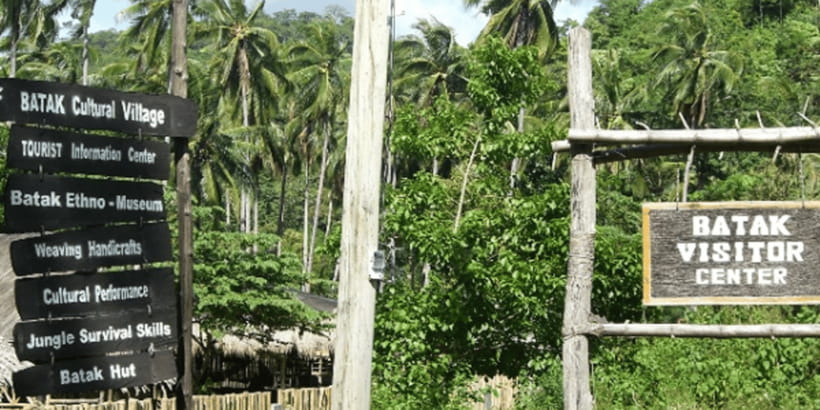
That visitor center stop is more than a waiting room. It’s where you can find local products made by the tribe for purchase, and it’s also where you’re oriented before the trek begins. If you’re the type who likes knowing what you’re about to see, this staging helps a lot.
Another practical win: the tour includes hotel pickup and drop-off within 15 kilometers of Puerto Princesa City Airport. So if you’re staying in the central Puerto Princesa area, you won’t have to arrange your own transport to the start.
You can also read our reviews of more tours and experiences in Puerto Princesa.
The Batak Visitor Center: Context, Goods, and a Gentle Start
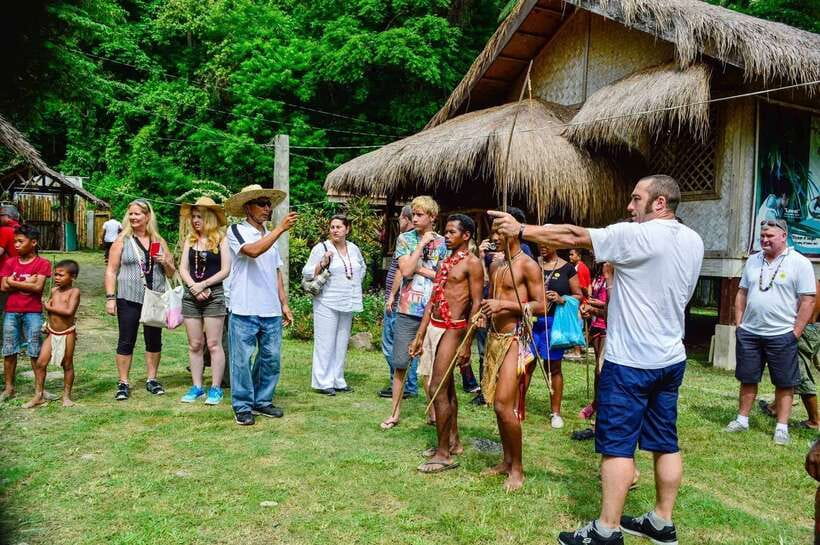
Once you arrive, you’ll spend time at the Batak Visitor Center before hiking into the village area. Here, you can browse products made by the tribe. It’s a good moment to slow down, ask your guide questions, and get your bearings—because once you’re moving, the day becomes very physical.
What I like about this structure is that it keeps the outing from feeling purely transactional or purely adventurous. The visitor center gives you something to connect to: you’re not just watching from the outside, you’re learning about the people behind the view.
There’s also the emotional rhythm to think about. A lot of ethical, authentic trips work best when you transition step by step—from place, to explanation, to meeting people. This one does that.
The Trek: Mountain Trails, River Crossings, and Real Time
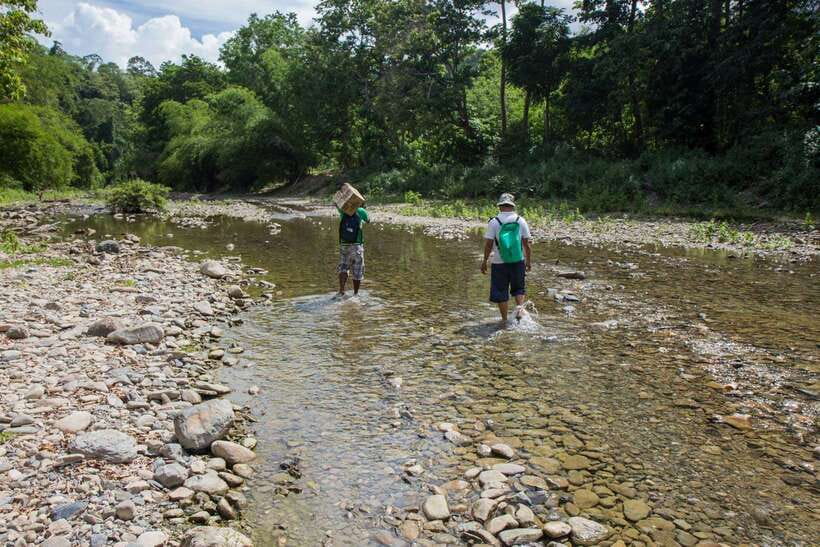
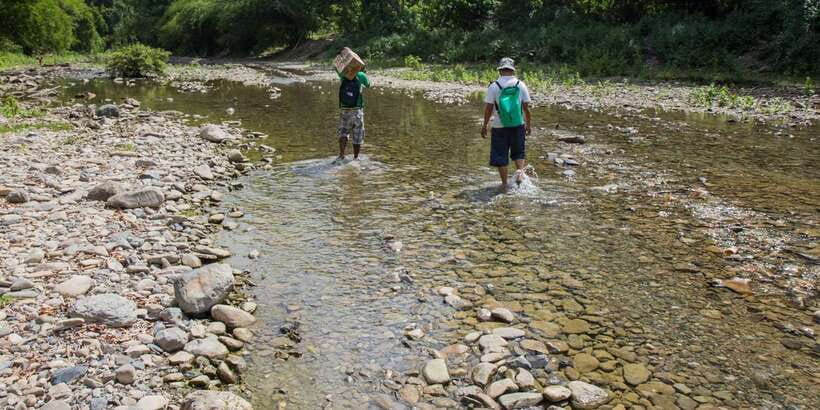
The hike is the heart of the experience. After leaving the visitor center, you trek across mountainous terrain and cross several rivers to reach the Batak village. Hiking time is anywhere from 75 to 120 minutes, depending on the group’s pace.
Here’s the honest travel takeaway: you’re not signing up for a scenic stroll. You’re walking through natural terrain, which means your comfort will depend on your clothing and your willingness to slow down and stay steady. If you’re prone to slipping or you hate wet feet, this is a place to be mentally prepared.
Based on real feedback, parts of the walk can feel exposed. Some sections may be in full sun with little shade, so I’d treat this as a “dress for heat” day even if you’re used to island shade. Comfortable clothes aren’t enough on their own if you run hot—just plan smart.
Also note what isn’t allowed: luggage or large bags. That means you’ll want to travel light. If you’re bringing a day bag, keep it compact and secure.
The river part
River crossings are built into the route, and you’ll likely see sections where water is unavoidable. If you end up with splash on your clothes, that’s just part of the day. This is one reason I’d keep valuables minimal and avoid delicate fabrics.
Arriving at the Batak Village: The Real Encounter Piece
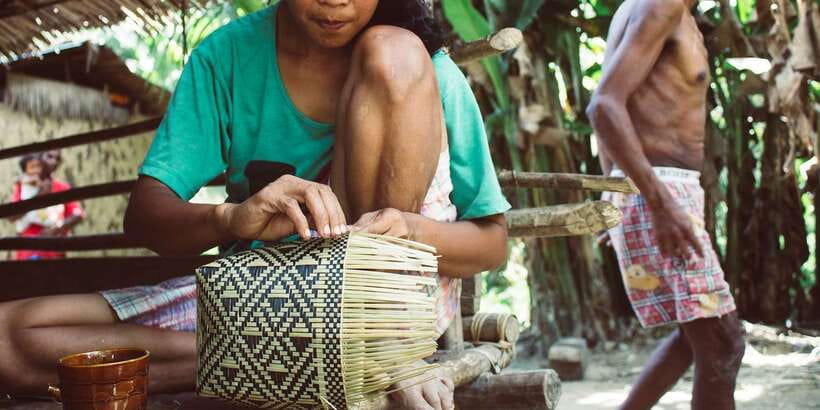
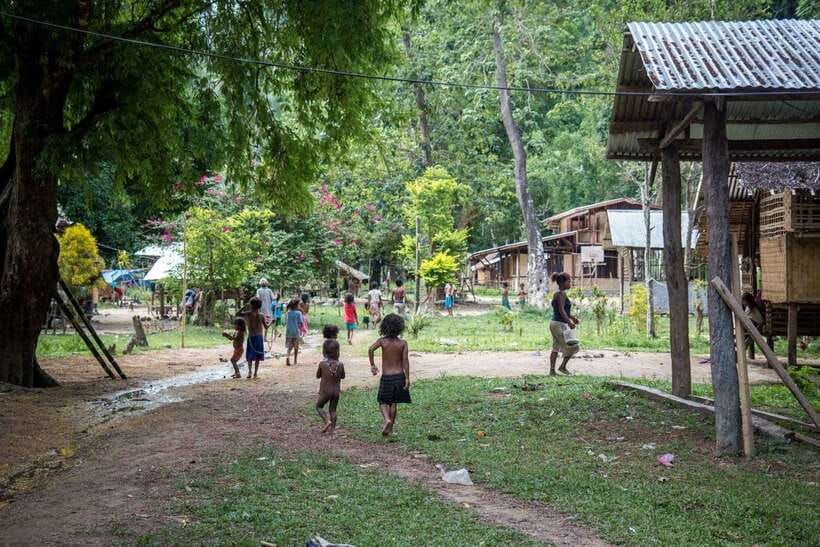
Reaching the village is where your tone shifts from hiking mode to visitor mode. You’ll say hello to tribe members and get a look at how daily life works. Your guide will share history and customs, plus day-to-day details that help you place what you’re seeing into context.
This is also where the tour gets personal in a practical way: you’ll present a token gift to the tribe. The gift package includes staples like coffee, rice, sugar, and other basic needs. That matters because it’s not just a donation slip or a box handed over fast. It’s part of the social flow of the visit.
What to expect from the interaction itself: the village experience is more about observation and conversation than about staged entertainment. Some people love this style because it feels real. Others who were hoping for performances may leave wishing the day offered more visible cultural showpieces. In other words, your enjoyment depends on what kind of cultural encounter you’re after.
A note on expectations and photos
The tour data doesn’t spell out photo rules or cultural performance formats. So I’d suggest you stay flexible and respectful: treat the visit like meeting people, not like collecting highlights. If something feels private or routine, give it space.
Guides and Interpretation: Why the Explanations Matter
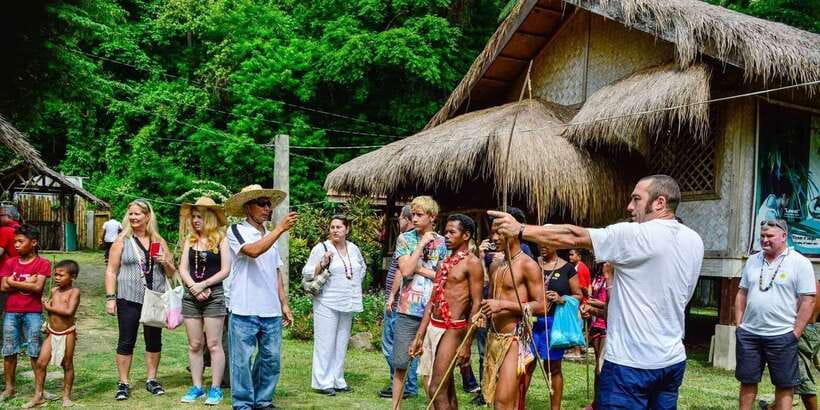
Your tour includes a licensed tour guide, and the guiding is offered in English and Tagalog. With a visit like this, the guide’s job isn’t just translation. It’s bridging your questions—why certain practices exist, how daily life is structured, and what changes have happened over time.
I particularly appreciate guided trips where you’re not only seeing the setting, but also learning how the community describes its own life. That’s the difference between watching a village and understanding a living culture.
One thing to look for on the day: ask follow-up questions. When you’re walking through history and customs, you’ll get more out of it if you connect the explanation to what you’re seeing in front of you—tools, routines, movement in the village, and how people spend their time.
Lunch Option: What “Optional” Means for Timing
Food is not included by default. However, there’s an option to include lunch in the activity.
This detail sounds minor until you’re planning your day. With a 5-hour overall duration, adding lunch can change the rhythm of the visit and how much time you spend at each stop. If you choose lunch, expect it to happen after you’ve finished the main village and trekking portion and are headed back toward the visitor center.
If you’re traveling with sensitive timing—kids, heat fatigue, or low patience for delays—think carefully about whether you want the added lunch stop. If you skip lunch, plan to eat before the tour or right after you’re returned to your hotel.
Price and Value: $216 for Up to 4, and What You’re Actually Buying
The price is listed as $216 per group up to 4 people for a duration of 5 hours. That’s how you should think about value: it isn’t priced per person in a way that automatically spikes your budget as you compare options.
What you’re buying for that cost is more than a transfer. You’re paying for:
- guided service (English and Tagalog)
- entry fees
- processing of tour permits
- hotel pickup and drop-off within the covered area
- air-conditioned van transport
- bottled water
- the token gift to the tribe
When I evaluate trips like this, I ask a simple question: does the price cover real logistical effort and not just a marketing label? Here, the included items suggest there’s a lot of behind-the-scenes work—permits, fees, and a planned cultural visit with a gift component.
That said, there’s also real-world tension with cultural experiences. If you’re expecting multiple performances or lots of planned, visible “activities,” you may feel the day doesn’t match your hopes. In past experiences, some guests have felt disappointed about the cultural display side and the overall interaction length. I’d treat that as a signal to set your expectation for what the day is: a respectful visit and guided walk, not a show.
Who Should Book This Batak Trek (And Who Should Skip It)
This tour fits best if you:
- enjoy walking and don’t mind a 75 to 120 minute hike on uneven terrain
- prefer learning through conversation and observation over staged performances
- want to get away from beach-only days and see another side of Palawan
It’s not recommended if you have limited mobility, you’re pregnant, you use a wheelchair, or you have a serious medical condition. The trail plus river crossings are the reason. If you’re unsure, don’t gamble—choose a different Palawan activity that matches your physical comfort.
It’s also a strong fit for a private group. With private guiding, you can ask more questions and keep the pace aligned to your group.
Practical Packing Tips That Keep the Day Comfortable
Based on what the experience involves, pack for the realities:
- Comfortable clothes (you’ll be moving and you may deal with water during crossings)
- keep your load small since luggage or large bags aren’t allowed
- plan for sun exposure on parts of the trek, because some sections can be hot and bright
One more practical thought: bring patience. This is not an airport-style “go, see, leave” schedule. The day has walking time, crossings, and a village visit rhythm.
Should You Book the Puerto Princesa to Batak Trek?
I’d book this tour if your goal is cultural connection through a guided village visit—plus a proper trek to get you out of town. The best moments are usually the quiet ones: learning how people live, meeting them in their daily routine, and using the token gift as part of a respectful exchange.
I’d think twice if you’re arriving hoping for a big lineup of rituals on demand, with lots of staged cultural performances and constant interaction. This experience is more observational and explanatory than showy. Also, if heat, sun, or river crossings are deal-breakers for you, pick a different day plan.
If you want something that feels hands-on, not just photogenic, this trek can be a memorable Palawan day—especially with guides who make the context clear (and if you’re lucky, you’ll get the kind of upbeat guidance people talk about, like Rich and Wilson).
FAQ
How long is the Puerto Princesa to Batak Tribe trek?
The tour lasts about 5 hours total.
How far do we travel from Puerto Princesa?
You travel around 70 kilometers out of Puerto Princesa to reach the Batak Visitor Center.
How long is the hike to the Batak village?
The trek takes about 75 to 120 minutes, depending on the group’s pace.
Is lunch included?
Food is not included. Lunch can be added as an option.
What is the token gift given to the tribe?
The token gift includes coffee, rice, sugar, and other basic needs.
What languages are the guides?
The live tour guide speaks English and Tagalog.
What is included in the tour price?
It includes hotel pickup and drop-off within the covered area, a licensed guide, entry fees, permit processing, a token to the tribe, air-conditioned van transport, and bottled water.
What should I bring?
Bring comfortable clothes.
Is luggage allowed?
No—luggage or large bags are not allowed.
Who should avoid this tour?
It is not recommended for pregnant women, wheelchair users, people with pre-existing medical conditions, or those with mobility impairments.