REVIEW · LHASA
Tibet Tour 15 Days Lhasa to Kailash Trekking Small Group via EBC
Book on Viator →Operated by Tibet Vista · Bookable on Viator
Altitude, temples, and one big circle around Kailash. This Lhasa to Mount Kailash journey mixes classic sacred sights with real travel by road and high passes, plus Everest Base Camp by Echo bus.
I love that the hard paperwork—Tibet permits and entrance fees—is handled, and that you travel with an English-speaking local guide who keeps the day clear and meaningful (many groups rave about Lhakpa Tenzin). One potential drawback: you’ll spend long hours at altitude and on the Kailash Kora route, so you need solid stamina and a realistic fitness plan for 5000m+ days.
In This Review
- Key highlights you’ll feel right away
- Why the Lhasa to Kailash route is a smart use of 15 days
- Small-group logistics, English guide time, and the daily pace
- Day 1 in Lhasa: getting set up and letting your body catch up
- Lhasa classics: Potala Palace, Jokhang Temple, and Barkhor kora culture
- Potala Palace
- Jokhang Temple
- Barkhor Street (kora)
- Drepung and Sera, plus the pass views that make the road feel like Tibet
- Dadong Village stop
- Sera Monastery and debates
- The road toward Shigatse: Yamdrok-tso, Karo La Glacier, and prayer flags
- Everest Base Camp Echo Bus and Rongbuk Monastery at sunrise
- Rongbuk Monastery
- The drive mood: Shishapangma and Pekutso Lake
- Manasarovar wetlands to Darchen: preparing for the Kailash Kora
- A note on timing and expectations
- Mount Kailash Kora days: Dromala Pass, teahouse rests, and what to pack
- Crossing Dromala Pass (5630m)
- Mani stones and the Kora rhythm
- Accommodation and supplies
- Saga, Sakya, and the drive back through Yalong Valley
- Sakya Monastery: a different flavor from Gelug sites
- Yalong Valley: end-of-trip decompression
- Price and value: what $2,069 really buys you
- Who should book this trip, and who should think twice?
- Should you book Tibet Vista’s Lhasa to Kailash trek?
- FAQ
- Are Tibet travel permits included?
- How many nights are included in Lhasa?
- What does the tour include for transportation?
- Do I get an English-speaking guide?
- Is oxygen provided for altitude?
- Are Everest Base Camp tickets or the Echo bus included?
- Are admissions to attractions covered?
- Is the Mount Kailash trekking gear support included?
- What’s the refund timeline if I need to cancel?
- Do I need to send documents in advance?
Key highlights you’ll feel right away
- Small group size (up to 12) keeps the pace manageable and makes it easier to ask questions
- Permits + site entrance fees included so you spend less time worrying about logistics
- English-speaking Tibetan guide with a track record of safety-first, history-aware explanations (often Lhakpa Tenzin)
- Everest Base Camp Echo Bus included, plus Rongbuk Monastery for the Everest region mood
- Mount Kailash Kora with a high point at Dromala Pass (5630m) and a guided, structured route
- Oxygen cylinders in the vehicle (4L or 7L) and drinking water provided for the ride days
Why the Lhasa to Kailash route is a smart use of 15 days
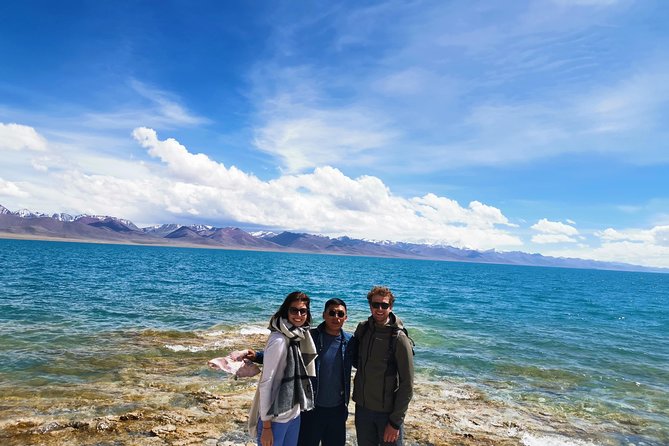
If you want Tibet’s big spiritual hits without a month-long plan, this route makes sense. You start with Lhasa’s core landmarks, move through Shigatse and Gyantse, then shift into the long, scenic highway days toward the Everest region and onward to the Manasarovar area.
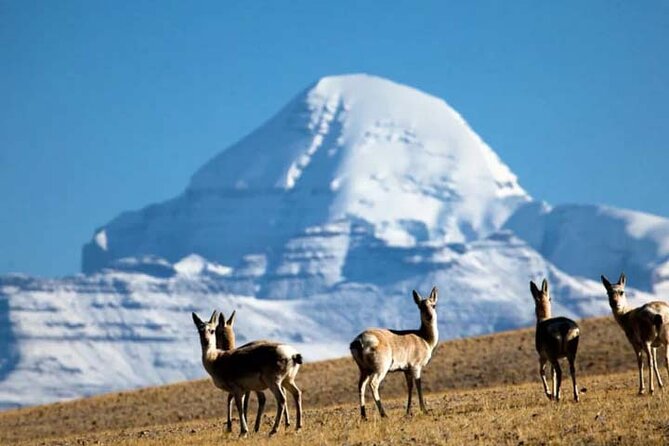
Then comes the part most people book for: the Mount Kailash Kora. The itinerary isn’t just “show up and walk.” It builds up to it with high-altitude viewpoints and sacred places, and it follows the Kora path over multiple days. That structure helps you wrap your head around why people come here and what you’ll see as you go.
You should also know what the trip is really asking of you. Even if you’re not a hardcore trekker, you’ll still be dealing with thin air, long driving days, and walking on the Kora route. This is the kind of trip where you’ll want to travel with a flexible, slow-and-steady mindset.
Small-group logistics, English guide time, and the daily pace
This is a maximum 12-person tour. That matters in Tibet. Smaller groups usually mean less waiting around, fewer misunderstandings, and more chances to ask your guide to explain what you’re actually looking at—especially at monasteries where details can disappear fast if you’re rushed.
The guide is an English-speaking local Tibetan guide, and the trip has a strong reputation for guides who explain history clearly and keep the mood light when the day gets long. Names that come up often include Lhakpa Tenzin, who’s praised for organization, safety awareness, and an easygoing humor style. Another guide name that shows up in similar Kailash experiences is Dicky—also described as supportive and practical.
On the logistics side, you get:
- Airport/train pick-up and drop-off in Lhasa
- Minibus/van transportation with an experienced local driver
- Drinking water provided during the trip
- Oxygen cylinder in the car (4L or 7L)
One practical note: some day-by-day line items mention admissions as not included, while the overall package says entrance ticket fees are included for the listed sites. Before you fly, ask the operator to confirm which tickets are already covered for your dates. You want clarity on that before you’re standing at a gate.
Day 1 in Lhasa: getting set up and letting your body catch up
When you arrive in Lhasa by train or flight, you’re transferred to your hotel (the trip mentions GangGyan Lhasa Hotel or your reserved place). You report that you’ve checked in, then you rest and acclimatize.
This first day isn’t about rushing. It’s about setting your base so the next day’s temples make sense. In Lhasa, altitude isn’t a detail. It’s part of your day.
Practical tip: plan to move slowly, drink your water, and keep expectations modest on day 1. Save big climbing energy for day 2 and beyond when you’re more warmed up.
Lhasa classics: Potala Palace, Jokhang Temple, and Barkhor kora culture
This tour gives you the “must-see” Lhasa trio in a logical sequence.
Potala Palace
You visit the Potala Palace, described as the winter palace of the Dalai Lama. Even if you’ve seen photos before, standing in the context of this palace changes the scale in your head. The itinerary frames it historically, reaching back to early Tibetan royal use. Expect a lot of stair-and-corridor energy, so pace yourself.
Jokhang Temple
Next is Jokhang Temple, one of Tibet’s spiritual anchors. The tour notes its founding in the 7th century and highlights the interior presence of Buddha Sakyamuni at age twelve. You’ll also spend time in the spaces around it where the daily flow of pilgrims matters as much as the buildings.
Barkhor Street (kora)
Then you wrap with Barkhor Street. This is where you can do a kora—the religious walking circuit—alongside locals and pilgrims. The route is also a place to see the old-market rhythm. The itinerary even mentions Tibetan tea with locals, which is exactly the kind of everyday texture that turns a “sight” into a lived moment.
If you like travel that feels spiritual but also human, this part is a win.
Drepung and Sera, plus the pass views that make the road feel like Tibet
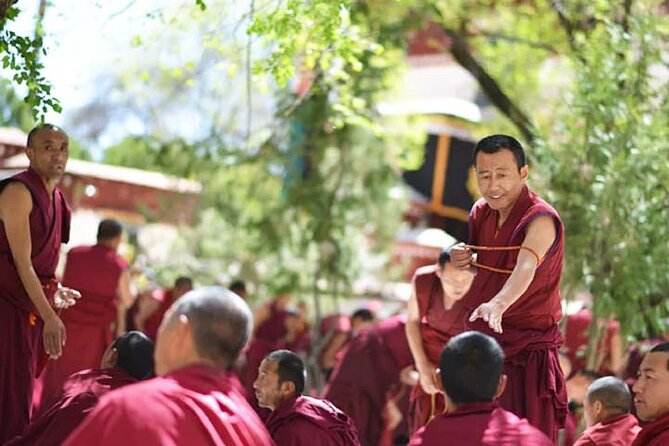
Lhasa can be intense. The next day balances village-style calm with major monastery time.
Dadong Village stop
The trip includes Dadong Village, framed as a well-protected ancient Tibetan village southwest of Lhasa. It’s less about temples and more about how people historically lived in the region’s culture. It also gives your legs a change of pace before the bigger monastery days.
Sera Monastery and debates
In the afternoon, you visit Sera Monastery, part of the Gelug tradition and one of the “great three” monasteries. The standout activity noted here is the monks’ debate, often around 3 to 5 pm. If you want a Tibet experience that feels awake—not frozen behind glass—this debate hour usually delivers.
The road toward Shigatse: Yamdrok-tso, Karo La Glacier, and prayer flags
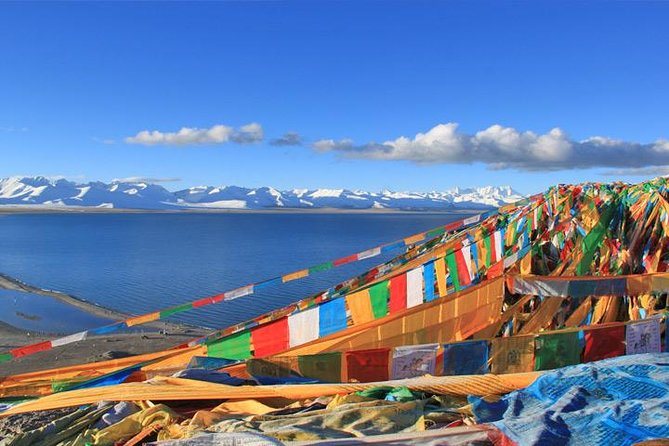
Then you start moving outward. On the drive day, you’ll cross high passes (like Gampala at 4790m) and get viewpoints of lakes such as Yamdrok Yumtso. The itinerary also points out roadside moments like Karo La Glacier and a stop where you can hang prayer flags at a mountain pass area.
Gyantse adds a different historic layer:
- Pelkor Monastery
- Gyantse Kumbum (a famous stupa complex)
- Fortress views from a distance
This is where the value of a guided route shows. Without context, a “drive day” can feel like commuting. With context, it feels like traveling through Tibet’s spiritual geography.
Everest Base Camp Echo Bus and Rongbuk Monastery at sunrise
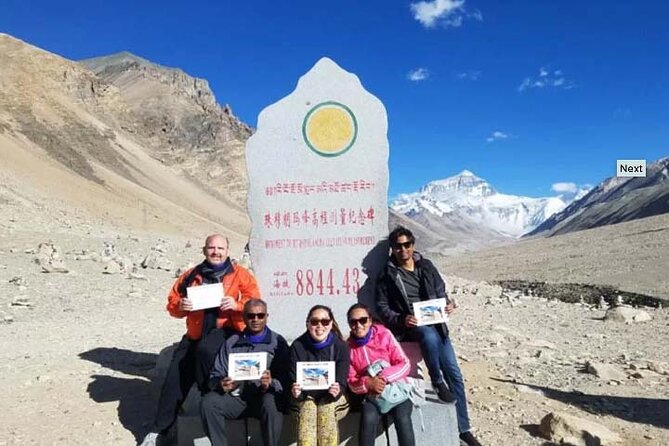
This section is often the emotional peak for people who thought the whole trip would only be about religion.
You head toward the Everest region, passing through the Qomolangma National Nature Preserve area. The itinerary includes multiple pass crossings (Tsola Pass, Gyatsola Pass, and Gawula Pass are specifically named in the plan), and it’s designed so you’ll see high-mountain panoramas rather than just roads.
Rongbuk Monastery
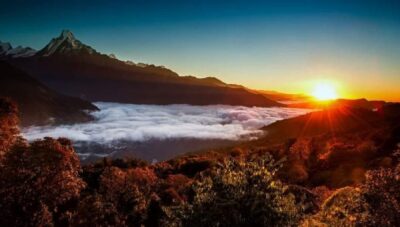
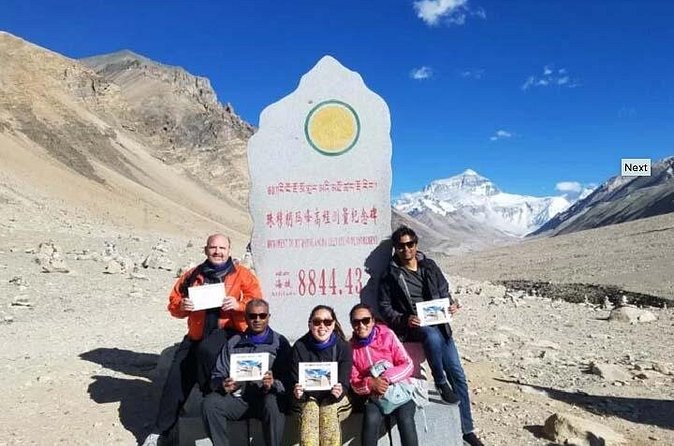
In the morning, you can catch a sunrise view of Everest Peak if weather permits at the lodging area. After that, you visit Rongbuk Monastery, called out as the highest monastery with monks and nuns living together.
Even if you’re not a “sunrise person,” the combination of high altitude, monastery calm, and Everest-scale visibility can land hard. It’s also a good checkpoint moment: you’re seeing the edge of the world—then turning toward Kailash, which feels like a different kind of sacred entirely.
The drive mood: Shishapangma and Pekutso Lake
On the way from Everest Base Camp to Saga, the itinerary mentions views of Mt. Shishapangma and Pekutso Lake. These pauses matter. They keep the days from feeling like only “getting to the next hotel.”
Manasarovar wetlands to Darchen: preparing for the Kailash Kora
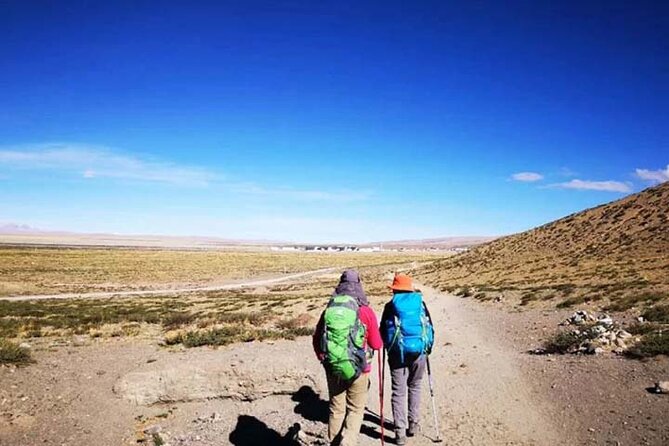
As you move toward the Kailash Kora region, the scenery and the spiritual atmosphere shift. The tour includes stops tied to the Saga valley and Manasarovar wetlands, framing the land between the Gangdise and Himalayan ranges.
On the road toward Darchen, you’ll also get the kind of wide-open quiet that makes walking later feel more purposeful. This is the time to slow your decisions down:
- hydrate steadily
- rest when the schedule gives you space
- keep breathing controlled on altitude days
A note on timing and expectations
Day lengths here can be long. The plan includes long drives, then a changeover to Kora logistics. If you hate uncertainty, this may test you. If you like travel with breathing room built in, you’ll probably do fine.
Mount Kailash Kora days: Dromala Pass, teahouse rests, and what to pack
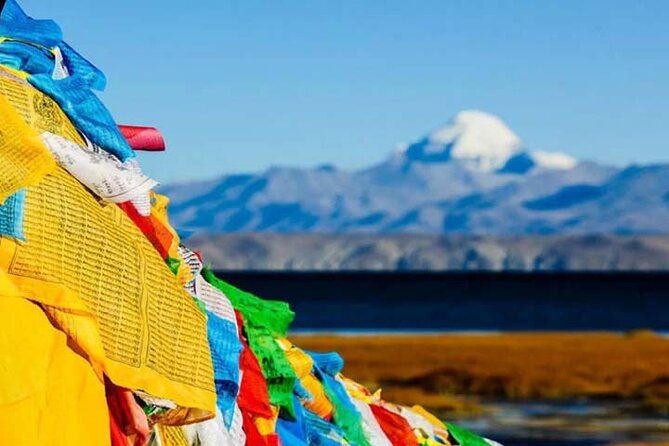
This is the centerpiece. The itinerary includes the eco-bus partway from Darchen to Sarshung valley, then you meet yaks and porters at Sarshung village. The plan says costs of hiring yaks, horses, and porters are not included.
That’s important for your budget and planning. You’ll want to decide early if you’d rather carry more yourself or pay for help with gear.
Crossing Dromala Pass (5630m)
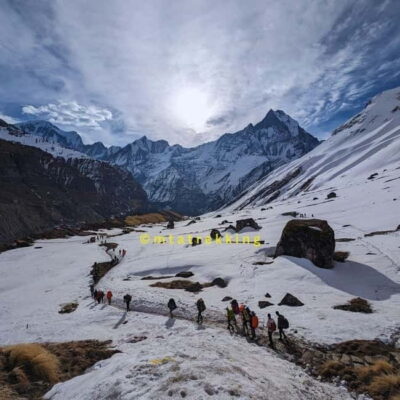
The trek day includes crossing Dromala Pass (5630m), described as the highest pass of the Kora. The route includes a rest in a teahouse. The itinerary also mentions seeing locals Tibetans doing prostrations along the Kora path and passing Kadoe Lake.
This is where the Kora stops being a “tour highlight” and turns into a spiritual event with physical effort behind it. You’ll likely feel the air thinning and the walking asking for slower steps than you’d use at home.
Mani stones and the Kora rhythm
On later Kora days, you’ll see mani stones piled along the route. The plan includes a trek to Zongto where you can take a bus back to Darchen, with the trek ending around noon and a rest at the lodging place.
Again: even if the exact daily mileage varies by conditions, the trip is clearly structured for a multi-day Kora. The question isn’t whether you’ll walk. It’s how carefully you’ll manage yourself while walking.
Accommodation and supplies
The itinerary doesn’t spell out every lodge detail. What you can count on is that the tour provides:
- drinking water during the trip
- oxygen in the vehicle on travel days
- meals listed as included in the package details (with a caution below)
One caution: the package text shows some meal inclusions and some exclusions that conflict. Included lists say lunch and dinner, but the Not Included section says all lunches and dinners. Before you go, confirm what’s covered on your exact dates. It’s the kind of detail that can annoy you mid-trip, so clear it up early.
Saga, Sakya, and the drive back through Yalong Valley
After the Kora, you return to road travel. The itinerary includes:
- a drive from Darchen to Saga via Lake Manasarova
- a drive from Saga to Sakya
- a visit to Sakya Monastery in ancient Sakya town, noted for murals and collections of scriptures and statues
- then the long drive back to Lhasa via the Yalong Valley
Sakya Monastery: a different flavor from Gelug sites
If you’ve spent your first half of the trip in Lhasa-area Gelug monasteries, Sakya feels like another chapter. The plan emphasizes murals and the scale of scriptures and statuary collections. It’s a good reminder that Tibet’s spiritual life isn’t one style—it’s many.
Yalong Valley: end-of-trip decompression
The final day route follows Yalong Valley, with a viewing platform for the vast river bed. There’s also a stop described as visiting a water mill making Tibetan incense material (in summer, if time permits), which is a lovely way to end with something practical and cultural rather than only big monuments.
Day 15 ends back at the meeting point. You’ve got that full “more than 2000 km” feeling, but the trip spreads it out so the experience doesn’t feel like nonstop driving.
Price and value: what $2,069 really buys you
At $2,069 per person (price based on double occupancy), this trip isn’t cheap. But it bundles several things that can cost real time and money if you piece them together yourself.
Here’s what you’re getting for the price:
- Tibet travel permits and other necessary permits (the text says it excludes the Chinese L visa)
- Entrance ticket fees listed in the itinerary (again, confirm any day-by-day ticket conflicts)
- Accommodations: three nights in Lhasa and one night in Namtso are stated in the summary; hotels with breakfast based on twin-sharing in Lhasa and Shigatse are listed in the included section
- English-speaking local guide
- Transportation by comfortable van/minibus with driver; gasoline included
- Oxygen cylinders in the car and drinking water
- Liability travel insurance
- Chinese Visa invitation letter if needed
- Tibet Handy Map
- Pick-up / drop-off from airport or train station to Lhasa
- Everest Base Camp Echo bus and platform service fees
The value angle is less about the sightseeing “checklist,” more about reducing the friction around permits, altitude logistics, and timing. For a route as sensitive as this, friction costs energy.
The single-room situation: the price is based on double occupancy, and a single room supplement is available but subject to availability and extra charge. If you’re traveling solo, ask early.
Who should book this trip, and who should think twice?
You’ll likely love this if you want:
- a small-group Tibet experience (up to 12)
- strong guidance at major sacred sites like Potala Palace, Jokhang Temple, and monasteries such as Sera and Sakya
- a structured, multi-day approach to Mount Kailash Kora
- the Everest region included via Echo bus plus Rongbuk Monastery
Think twice if:
- you’re not comfortable with high-altitude travel and long drive days
- you hate uncertainty around ticket/meal coverage (double-check inclusions before you depart)
- you’re expecting a short, easy trek. This is sacred travel with real effort built in
Should you book Tibet Vista’s Lhasa to Kailash trek?
If your goal is to experience Lhasa’s core sacred places, connect them to Everest region awe, and then walk the Kailash Kora with a guide who’s known for organization and safety, this is a strong fit. The included permits, transport, and oxygen support make it easier to focus on the experience instead of paperwork.
My call: book it if you’re ready for altitude reality and you confirm the small inclusion details (tickets/meal coverage) before you go. If you want a totally relaxed pace with zero high-altitude pressure, this likely won’t match your style.
FAQ
Are Tibet travel permits included?
Yes. The package includes Tibet travel permits and other necessary permits (it notes this excludes the Chinese L visa).
How many nights are included in Lhasa?
The summary states three nights’ accommodation in Lhasa, plus one night in Namtso.
What does the tour include for transportation?
You get minibus/van transportation with an experienced local driver, and airport/train transfers to and from Lhasa. Gasoline is included.
Do I get an English-speaking guide?
Yes. The tour includes an English-speaking local Tibetan guide.
Is oxygen provided for altitude?
Yes. The package includes an oxygen cylinder in the car, listed as 4L or 7L, plus drinking water during the trip.
Are Everest Base Camp tickets or the Echo bus included?
Yes. The package includes Everest Base Camp Echo bus and entrance ticket fees for the sites listed in the route.
Are admissions to attractions covered?
The package says entrance ticket fees of all tourist sites listed are included, but some day-by-day lines show admissions as not included. Ask the operator to confirm what’s covered for your specific dates.
Is the Mount Kailash trekking gear support included?
The plan says you will meet yaks and porters at Sarshung village, but the cost of hiring yaks, horses, and porters is not included.
What’s the refund timeline if I need to cancel?
You can cancel up to 6 days in advance for a full refund. Cancel 2 to 6 full days before for a 50% refund, and less than 2 full days before is not refunded.
Do I need to send documents in advance?
Yes. You’re asked to provide photocopies of passports and China L visas at least 20 days prior to travel, and the tour supplier will contact you after booking is confirmed.